


Essential Checklist: Understanding Causes of Body Spots
Your Cart
0You May Also Like
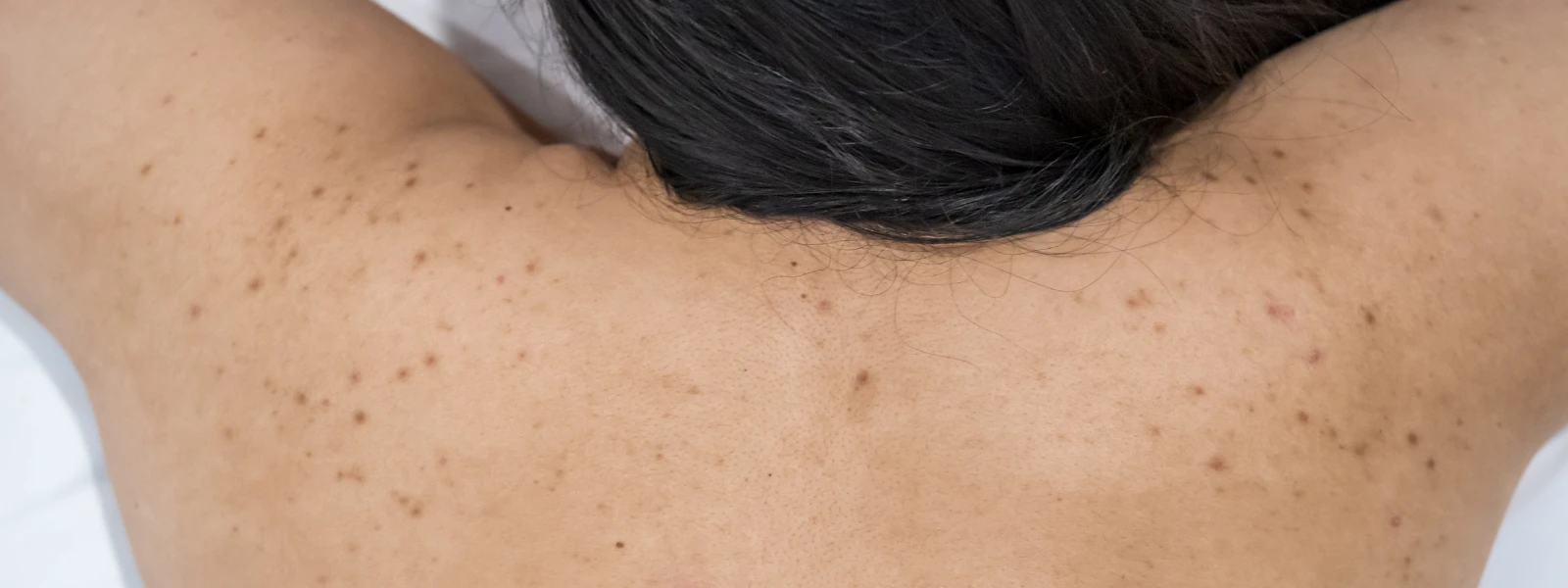
Did you know that over 80% of people develop some form of skin discoloration by age 30? Those mysterious spots appearing on your arms, shoulders, or back aren't always what they seem. Many people confuse body acne with pigmentation issues, leading to ineffective treatments and frustration. Understanding the true causes of body spots is your first step toward clearer, more even-toned skin. Whether you're dealing with stubborn dark patches or new spots that seem to appear overnight, this comprehensive guide will help you identify exactly what's happening to your skin and why.
Your skin's color comes from melanin, a pigment produced by specialized cells called melanocytes. When these cells work normally, they create an even skin tone. However, various triggers can cause them to produce too much melanin in certain areas, leading to visible spots and patches.
Normal melanin distribution happens when melanocytes respond evenly to stimuli like sunlight. Hyperpigmentation causes include overactive melanocytes that dump excess pigment into surrounding skin cells. This process can be triggered by inflammation, hormonal changes, or UV damage. The result? Those frustrating dark spots that seem impossible to fade.
Hormones play a massive role in skin pigmentation disorders. Estrogen and progesterone fluctuations during pregnancy, menstruation, or menopause can trigger melasma and other pigmentation issues. Inflammatory responses from injuries, acne, or even tight clothing can also lead to post-inflammatory hyperpigmentation that lingers for months.
Not all body spots are created equal. Each type has distinct characteristics and underlying causes that determine the best treatment approach.
Sun spots on body develop when UV rays penetrate your skin and trigger excessive melanin production as a protective response. These flat, brown spots typically appear on areas with frequent sun exposure like shoulders, arms, and upper back. Age spots causes are essentially cumulative sun damage that becomes visible over time, usually after age 40.
Pregnancy can trigger melasma on the body, not just the face. Medical conditions like diabetes, liver disease, or thyroid disorders can also cause causes of dark spots throughout the body. Certain medications, including antibiotics and chemotherapy drugs, may increase photosensitivity and lead to pigmentation changes.
Body freckles causes combine genetic predisposition with sun exposure. If your parents have freckles, you're more likely to develop them too. Chemical exposures from perfumes, deodorants, or harsh soaps can cause contact dermatitis that leads to pigmentation. Even friction from tight clothing or backpack straps can trigger dark patches over time.
This confusion trips up many people and leads to using the wrong products. Understanding the differences helps you choose appropriate treatments and avoid wasting time on ineffective solutions.
True pigmentation spots are completely flat and feel smooth to the touch. They range from light brown to deep black and have clearly defined borders. Body acne, on the other hand, creates raised bumps, pustules, or inflamed red areas that feel rough or tender when touched.
Post-acne marks often look like pigmentation but actually represent temporary inflammation that will fade naturally. True types of body spots from pigmentation disorders persist much longer and require targeted treatment. Age also plays a role - sudden body acne in adults often indicates hormonal changes, while gradual spot development suggests cumulative damage.
Identifying your personal risk factors helps you take proactive steps to prevent new spots from forming while addressing existing ones.
People with darker skin tones are more prone to post-inflammatory hyperpigmentation, while fair-skinned individuals develop more sun-related spots. Family history of pigmentation issues increases your risk significantly. Lifestyle factors like frequent sun exposure, hormonal birth control use, or living in polluted environments also contribute.
Daily broad-spectrum sunscreen with at least SPF 30 is non-negotiable for preventing skin discoloration causes. Gentle exfoliation helps prevent clogged pores that can lead to inflammatory spots. Wearing loose, breathable clothing reduces friction-related pigmentation. Managing stress and maintaining stable hormone levels through diet and lifestyle also helps.
While many body spots are harmless, certain warning signs require immediate medical attention to rule out serious conditions.
Use the ABCDE rule: Asymmetry, Border irregularity, Color variation, Diameter larger than 6mm, or Evolution (changes over time). Any spot that bleeds, itches persistently, or grows rapidly needs professional evaluation. Multiple new spots appearing suddenly may indicate an underlying medical condition.
Body spot treatment ranges from topical lightening agents to professional procedures like chemical peels or laser therapy. Treatment timelines vary from 6-12 weeks for mild spots to several months for deeper pigmentation. Costs in India range from ₹500 for basic topical treatments to ₹15,000-50,000 for professional procedures.
Body spots typically develop from sun damage, hormonal changes, inflammation, or genetic factors. The most common causes include cumulative UV exposure, post-inflammatory hyperpigmentation from acne or injuries, and age-related changes in melanin production.
Acne creates raised, inflamed bumps that feel rough to touch, while pigmentation spots are completely flat and smooth. Acne spots often have pus or are tender, whereas pigmentation spots are simply darker areas of skin without any texture changes.
Yes, foods high in antioxidants like vitamin C and E can help prevent oxidative damage that contributes to pigmentation. Dairy and high-glycemic foods may worsen inflammatory conditions that lead to post-acne pigmentation.
Sun spots and age spots develop gradually over years of exposure. Post-inflammatory hyperpigmentation can appear within weeks of an injury or acne breakout. Hormonal pigmentation like melasma may develop over months during pregnancy or hormonal changes.
Understanding the causes of body spots empowers you to make informed decisions about prevention and treatment. Remember that sun protection is your best defense against new spots, while existing pigmentation requires patience and consistent treatment. If you notice any concerning changes in your spots, don't hesitate to consult a dermatologist. Most importantly, distinguish between acne-related issues and true pigmentation problems to choose the right treatment approach. With proper knowledge and care, you can achieve the even-toned skin you desire while maintaining your skin's health and vitality.
