


Essential Checklist: Prevent Uneven Skin Tone on Body
Your Cart
0You May Also Like
Uneven skin tone on your body can feel frustrating and impact your confidence. Dark spots, patches, and discoloration often develop gradually, making prevention the smartest approach. Understanding how to prevent uneven skin tone on body areas helps you maintain smooth, radiant skin year-round. This comprehensive checklist covers everything from daily protection habits to targeted treatments that keep your skin looking its best. Whether you're dealing with sun damage, post-inflammatory marks, or hormonal changes, these proven strategies will help you maintain even-toned skin from head to toe.
Body skin faces unique challenges that can lead to uneven pigmentation. Unlike facial skin, body areas often receive inconsistent care and protection. Skin discoloration causes vary widely, from environmental factors to internal changes that affect melanin production.
Sun exposure remains the leading cause of uneven skin tone on the body. UV rays trigger melanin overproduction, creating dark spots and patches. Hormonal fluctuations during pregnancy, menopause, or medication changes can also cause melasma on body areas like the chest and back.
Post-inflammatory hyperpigmentation develops after injuries, bug bites, or acne breakouts. Your skin produces extra melanin during the healing process, leaving behind dark marks. Friction from tight clothing or repetitive rubbing can also trigger pigmentation in areas like underarms and inner thighs.
Certain body areas are more prone to developing uneven skin tone. Exposed areas like arms, legs, chest, and shoulders receive the most sun damage. Friction-prone zones including underarms, neck, and inner thighs often develop darker patches from constant rubbing.
Consistent daily habits form the foundation of uneven skin tone correction and prevention. Simple changes to your routine can dramatically reduce your risk of developing new discoloration. These strategies work best when implemented together as part of a comprehensive approach.
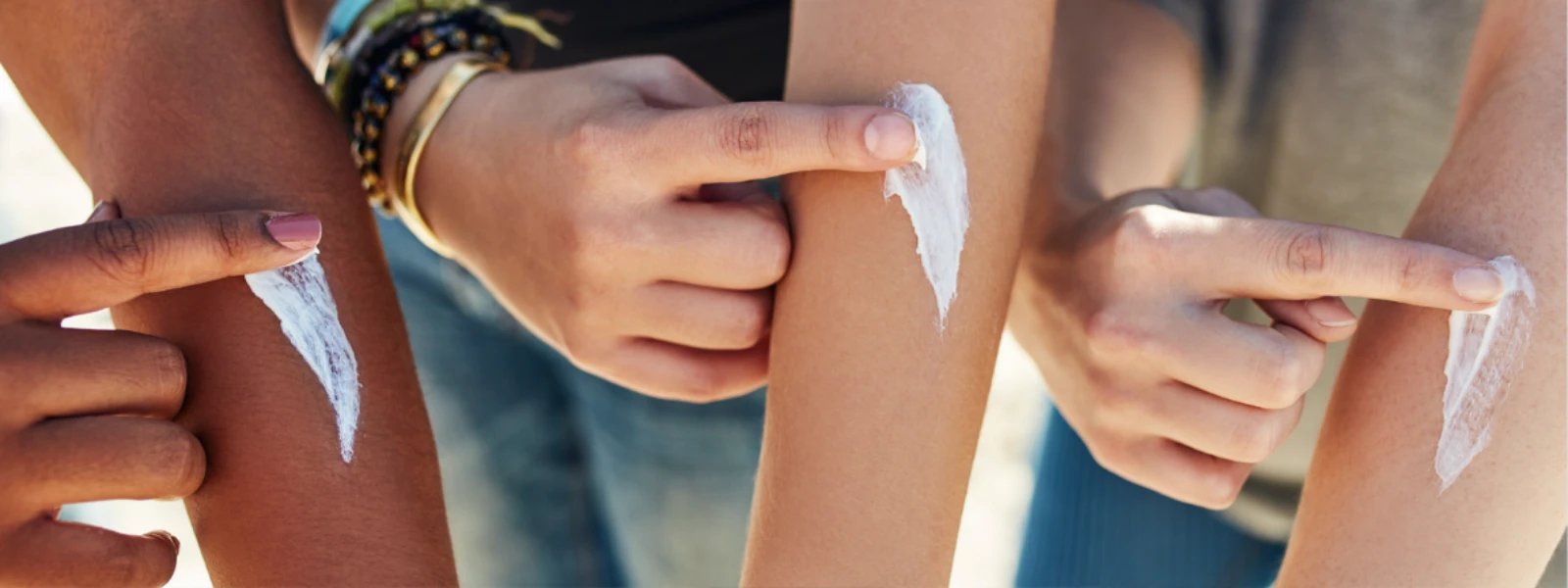
Apply broad-spectrum SPF 30 or higher to all exposed body areas every morning. Don't forget often-missed spots like feet, hands, and the back of your neck. Reapply sunscreen every two hours when outdoors, especially after swimming or sweating.
Protective clothing provides additional defense against sun damage pigmentation. Choose tightly woven fabrics and darker colors for better UV protection. Wide-brimmed hats and long sleeves offer extra coverage during peak sun hours between 10 AM and 4 PM.
Use pH-balanced body cleansers that won't disrupt your skin barrier. Harsh soaps can cause irritation and inflammation, leading to post-inflammatory hyperpigmentation. Follow cleansing with a moisturizer to maintain healthy skin function and prevent dryness-related discoloration.
When prevention isn't enough, targeted treatments can help address existing discoloration. Body pigmentation solutions range from gentle at-home options to professional procedures. The key is choosing treatments appropriate for your skin type and pigmentation severity.
Chemical peels designed for body use can effectively treat dark spots on body areas. Professional treatments use higher concentrations of active ingredients than over-the-counter products. Laser therapy targets stubborn pigmentation with precise energy delivery, while microdermabrasion gently removes damaged surface cells.
Consult a dermatologist for persistent or widespread discoloration. They can recommend the most effective hyperpigmentation treatment based on your specific needs and skin type.
Vitamin C serums provide antioxidant protection while brightening existing dark spots. Look for stable forms like magnesium ascorbyl phosphate for body use. Retinol products promote cell turnover and fade pigmentation gradually, but start with lower concentrations to avoid irritation.
Alpha and beta hydroxy acids offer gentle exfoliation that reveals brighter skin underneath. These skin brightening methods work well for maintaining results between professional treatments.
Natural ingredients can complement your prevention routine without harsh side effects. Natural skin lightening approaches work gradually but offer gentle, sustainable results. These methods are particularly beneficial for sensitive skin types or those preferring natural alternatives.
Kojic acid from fermented rice effectively inhibits melanin production. Arbutin, derived from bearberry extract, provides gentle brightening without irritation. Niacinamide helps reduce skin discoloration while strengthening the skin barrier and reducing inflammation.
Turmeric and yogurt masks offer gentle exfoliation and brightening properties. Mix equal parts for a weekly treatment on affected areas. Oatmeal scrubs provide physical exfoliation while soothing irritated skin. Green tea applications deliver antioxidants that protect against further damage.
Stubborn discoloration may require more intensive approaches. Even skin tone remedies can be layered and combined for enhanced effectiveness. Understanding how to safely combine treatments maximizes results while minimizing irritation risk.
Apply concentrated treatments directly to dark spots for focused correction. Use a small amount and blend edges to avoid creating harsh lines. Monitor your skin's response and adjust frequency as needed to prevent over-treatment.
Chemical exfoliants like glycolic acid work deeper than physical scrubs. Start with once-weekly applications and gradually increase frequency. Always follow exfoliation with moisturizer and extra sun protection, as newly revealed skin is more sensitive to UV damage.
Your daily habits significantly impact skin health and pigmentation risk. Nutrition, hydration, and stress management all play crucial roles in maintaining even skin tone. These foundational elements support your topical treatments and enhance overall results.
Antioxidant-rich foods like berries, leafy greens, and citrus fruits protect against free radical damage. Adequate water intake maintains skin hydration and supports natural cell turnover. Consider supplements like vitamin C and zinc if your diet lacks these essential nutrients.
Chronic stress elevates cortisol levels, which can trigger inflammation and worsen pigmentation. Quality sleep allows your skin to repair and regenerate overnight. Aim for 7-9 hours of sleep and practice stress-reduction techniques like meditation or yoga.
Prevention is an ongoing process, but you can see improvements in existing discoloration within 6-12 weeks of consistent care. Natural methods work gradually, so patience and consistency are key to achieving lasting results.
Daily sun protection is the single most effective prevention strategy. Consistent SPF application prevents 80-90% of acquired pigmentation issues and protects against further darkening of existing spots.
Yes, but introduce new products gradually to avoid irritation. Start with natural methods and add commercial products one at a time. Always patch test new combinations on a small area first.
Exfoliate 2-3 times per week with chemical exfoliants or 1-2 times weekly with physical scrubs. Over-exfoliation can cause irritation and worsen pigmentation, so start slowly and adjust based on your skin's response.
Avoid harsh ingredients like high-concentration acids, strong fragrances, and alcohol-based products that can cause irritation. These can trigger post-inflammatory hyperpigmentation and worsen existing discoloration.
Preventing uneven skin tone on your body requires a multi-faceted approach combining daily protection, gentle care, and targeted treatments. Consistency with sun protection remains your most powerful tool against new pigmentation. Natural and commercial treatments can work together to address existing discoloration while preventing future issues. Remember that results take time, and patience with your routine will yield the best long-term outcomes for maintaining beautiful, even-toned skin across your entire body.
