


Essential Checklist: Pore Treatment for Flawless Skin
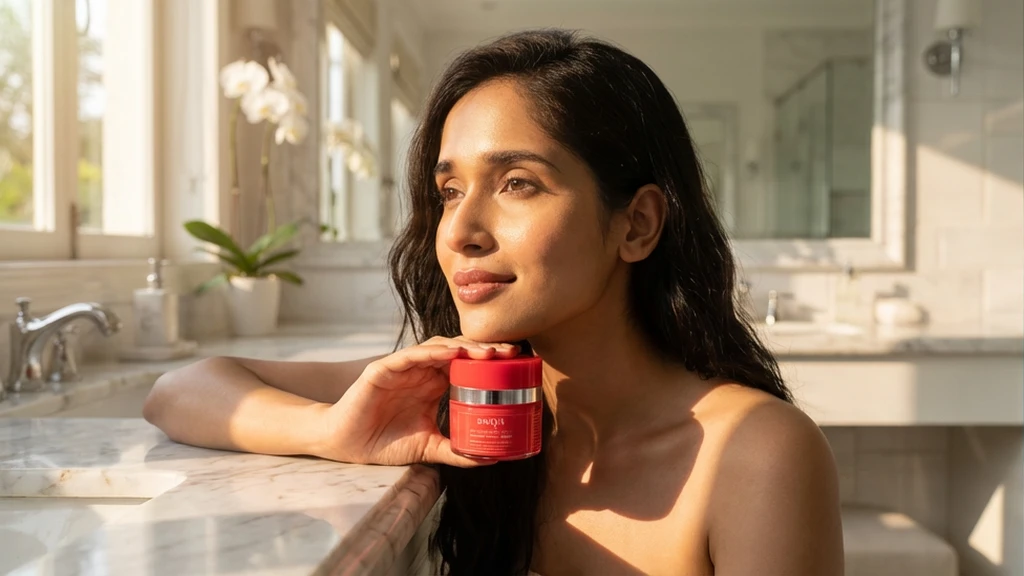
Perfect skin starts with understanding what lies beneath the surface. Your pores play a crucial role in skin health, but when they become enlarged or clogged, they can affect your entire complexion. What is pore treatment exactly? It's a targeted approach to minimize the appearance of enlarged pores while improving overall skin texture. Unlike basic skincare routines, pore treatments address the root causes of visible pores through specific techniques and ingredients. Whether you're dealing with blackheads, uneven skin tone, or textural concerns, the right pore treatment strategy can transform your skin's appearance and boost your confidence.
Pore treatment goes beyond surface-level cleansing to address the deeper factors that make pores appear larger. Your facial pores serve important functions, releasing sebum and allowing your skin to breathe. However, three main factors contribute to enlarged pores: excessive sebum production, loss of skin elasticity, and increased follicle volume. It's important to understand that pores cannot be permanently closed or eliminated. This common misconception leads many people to pursue unrealistic goals. Instead, effective pore minimizing treatments work by keeping pores clean, reducing oil production, and improving skin elasticity to make pores appear smaller. The connection between pore size and overall skin appearance runs deeper than many realize. Enlarged pores often contribute to uneven skin tone and can make hyperpigmentation more noticeable. When pores become clogged with dead skin cells and sebum, they cast small shadows that create an uneven appearance across your complexion.
Dermatologist-recommended facial treatments offer powerful solutions for stubborn pore concerns. Chemical peels rank among the most effective professional treatments, using controlled acids to remove dead skin cells and stimulate collagen production. These treatments improve skin texture while reducing the appearance of enlarged pores. Microneedling creates controlled micro-injuries that trigger your skin's natural healing response. This process boosts collagen production and helps tighten the skin around pores. Skin resurfacing treatments like laser therapy target deeper layers of skin to address both pore size and related concerns like acne scars.
Building an effective at-home routine requires understanding which ingredients actually work for pore cleansing. Salicylic acid penetrates deep into pores to dissolve sebum and dead skin cells. This beta hydroxy acid is particularly effective for oily skin types prone to enlarged pores. Glycolic acid offers surface exfoliation that improves skin texture over time. Regular use helps prevent the buildup of dead skin cells that can make pores appear larger. Retinoids accelerate cell turnover and help keep pores clear while improving overall skin texture.
Different types of pore issues require tailored approaches for optimal results. Blackhead removal involves understanding the difference between comedonal and inflammatory acne. Safe extraction techniques focus on gentle methods that won't damage surrounding skin or create scarring. Clogged pores often result from a combination of excess oil, dead skin cells, and environmental pollutants. Regular exfoliation with appropriate acids helps prevent this buildup. However, over-exfoliation can actually worsen pore appearance by irritating the skin and triggering increased oil production. Hyperpigmentation treatment becomes important when dealing with pore-related discoloration. Post-inflammatory hyperpigmentation around pores can make them appear even more prominent. Combining pore treatments with brightening ingredients like vitamin C or kojic acid addresses both concerns simultaneously.
The relationship between acne scars and enlarged pores creates complex textural issues. Atrophic scars can make surrounding pores appear larger, while raised scars can cast shadows that emphasize pore visibility. Professional treatments often combine multiple approaches to address both concerns effectively. Realistic expectations are crucial when treating textural concerns. While significant improvements are possible, complete elimination of all textural irregularities may not be achievable. Focus on gradual improvement and consistent maintenance for the best long-term results.
Diet plays a surprising role in pore health and treatment effectiveness. High-glycemic foods and dairy products can increase sebum production, making pores appear larger. Anti-inflammatory foods rich in omega-3 fatty acids support skin health and may help reduce pore visibility. Environmental protection becomes increasingly important as pollution and UV exposure can worsen pore appearance. Daily sunscreen use prevents collagen breakdown that contributes to enlarged pores. Choose lightweight, non-comedogenic formulas that won't clog pores while providing protection.
Successful pore treatment requires patience and consistency. Most at-home treatments show initial results within 4-6 weeks, with continued improvement over 3-6 months. Professional treatments may show faster initial results but require multiple sessions for optimal outcomes. Start with gentle treatments to assess your skin's tolerance. Introduce one new active ingredient at a time to avoid irritation. Gradually increase frequency and concentration as your skin adapts to the treatment routine. Monitoring progress helps maintain motivation and allows for routine adjustments. Take photos in consistent lighting to track improvements that may be subtle day-to-day. Keep notes about which treatments work best for your specific concerns.
Certain situations warrant professional evaluation and treatment. Sudden changes in pore appearance, persistent irritation from at-home treatments, or lack of improvement after consistent use may indicate the need for dermatologist consultation. Professional treatments become particularly valuable for severe textural concerns or when at-home methods reach their limits. Dermatologists can assess your specific skin type and recommend targeted treatments that aren't available over-the-counter.
Pores cannot be permanently closed as they serve essential functions for skin health. However, consistent treatment can significantly minimize their appearance and keep them clear of debris that makes them look larger.
At-home treatments typically show initial improvements within 4-6 weeks of consistent use. Professional treatments may show faster results, but multiple sessions are usually needed for optimal outcomes.
Professional treatments use higher concentrations of active ingredients and advanced technologies not available for home use. At-home treatments focus on maintenance and gradual improvement through consistent daily care.
Cost doesn't always correlate with effectiveness. Many affordable ingredients like salicylic acid and retinoids provide excellent results when used consistently. Professional treatments offer faster results but require ongoing maintenance.
Effective pore treatment combines understanding your skin's specific needs with consistent application of proven ingredients and techniques. Success comes from realistic expectations, patience with the process, and willingness to adjust your approach based on results. Whether you choose professional treatments, at-home care, or a combination of both, the key lies in consistency and proper technique. Remember that healthy skin is a journey, not a destination, and maintaining your results requires ongoing commitment to your skincare routine.
