


Essential Checklist: Managing Skin Irritation from Sweat Marks
Your Cart
0You May Also Like
Sweat is your body's natural cooling system, but when it lingers on your skin, it can trigger a cascade of irritating problems. From uncomfortable heat rash to stubborn dark spots from sweat, these issues affect millions of people, especially during India's intense summer months. Whether you're dealing with painful skin chafing under your arms or persistent underarm discoloration, understanding how to manage these conditions can save you from weeks of discomfort. The good news? Most skin irritation sweat marks are completely preventable and treatable with the right approach. Let's dive into a comprehensive checklist that will help you tackle everything from immediate relief to long-term prevention strategies.
When sweat meets your skin for extended periods, it creates the perfect storm for various skin problems. The combination of moisture, heat, and friction transforms your body's natural cooling mechanism into a source of irritation. Understanding what's happening beneath the surface helps you choose the most effective treatment approach.
Several factors contribute to sweat induced dermatitis and related conditions. Trapped sweat in your pores leads to miliaria, while the combination of moisture and friction results in painful skin chafing. When sweat sits on your skin, it creates an ideal environment for bacterial and fungal overgrowth, leading to infections and inflammation.
Blocked sweat ducts causing prickly heat
Salt deposits from dried sweat irritating sensitive skin
Bacterial overgrowth in warm, moist areas
Fungal infections thriving in skin folds
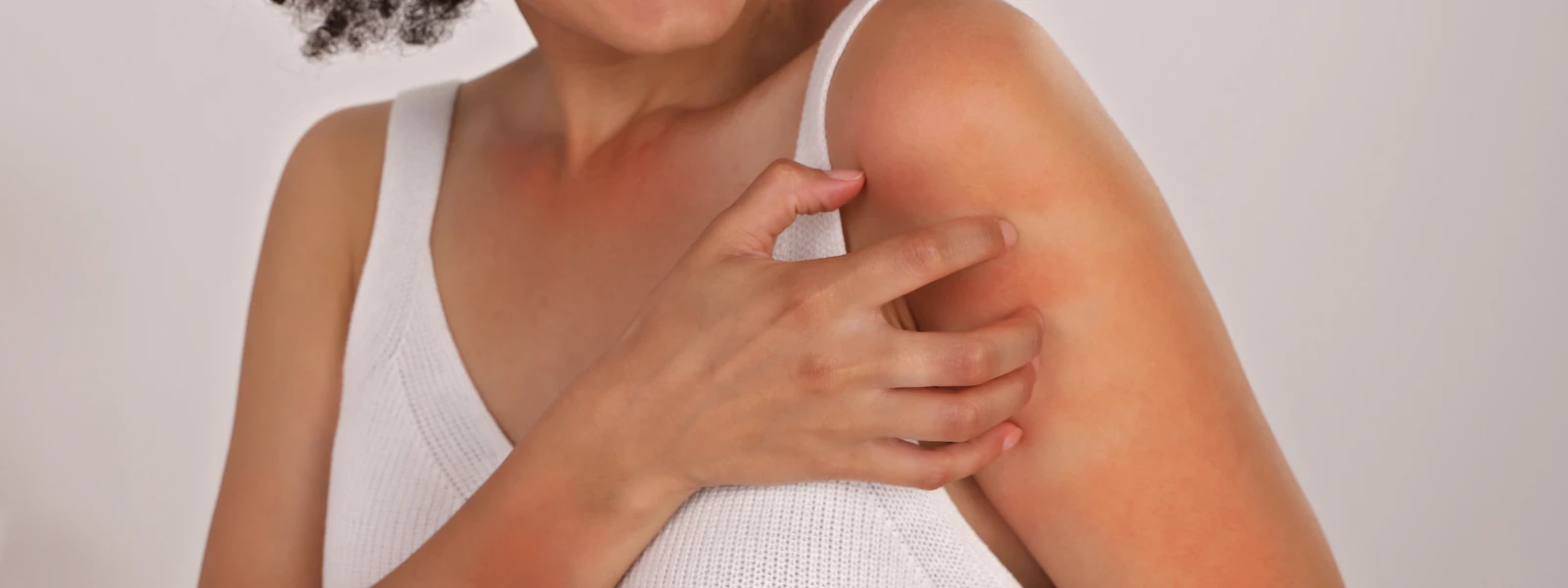
Heat rash appears as small red bumps and tiny blisters, typically on areas where clothing fits tightly. Sweat rash manifests as irritated, inflamed patches that feel hot and tender to touch.
Underarm discoloration often combines dark patches with active irritation, while armpit rash presents with redness, itching, and burning sensations. Skin-fold areas may develop intertrigo, characterized by scaling edges and persistent moisture.
Prevention remains your strongest defense against sweat-related skin problems. By implementing these strategies consistently, you can significantly reduce your risk of developing uncomfortable symptoms. The key lies in managing moisture, reducing friction, and maintaining optimal skin health.
Your clothing choices directly impact how your skin handles sweat and heat. Natural fibers allow better air circulation, while synthetic materials can trap moisture against your skin.
✅ Wear loose, breathable cotton clothing
✅ Avoid synthetic fabrics that trap heat
✅ Choose moisture-wicking materials for exercise
✅ Change clothes immediately after sweating
Proper hygiene forms the foundation of sweat rash prevention. Cool water helps close pores and remove sweat residue, while gentle cleansers maintain your skin's natural protective barrier.
✅ Take cool baths or showers after sweating
✅ Use gentle, pH-balanced cleansers
✅ Pat skin dry instead of rubbing
✅ Apply cornstarch or absorbent powders
Managing your environment reduces the likelihood of excessive sweating. Simple adjustments to your surroundings can make a significant difference in preventing sweat rash development.
When heat rash strikes, quick action can prevent symptoms from worsening and speed up recovery time. The first few hours after noticing symptoms are crucial for effective treatment. Focus on cooling the affected area and removing any factors that might be contributing to the irritation.
Cool compresses provide immediate relief by reducing inflammation and soothing irritated skin. Apply them for 10-15 minutes at a time, allowing your skin to air-dry completely between applications.
Several accessible treatments can help manage prickly heat symptoms effectively. Calamine lotion offers cooling relief while hydrocortisone cream reduces inflammation and itching.
Calamine lotion for immediate cooling relief
Hydrocortisone cream for inflammation control
Antifungal powders for fungal-related issues
Zinc oxide for protective barrier formation
Certain symptoms indicate that your sweat rash requires medical attention. Signs of bacterial infection, persistent symptoms beyond four days, or severe pain warrant professional evaluation.
One of the most frustrating long-term effects of sweat irritation is hyperpigmentation from sweat. These dark patches can persist long after the initial irritation has healed, affecting your confidence and skin appearance. Understanding how inflammation leads to pigmentation helps you choose appropriate treatments and prevent future occurrences.
Post inflammatory hyperpigmentation occurs when skin inflammation triggers excess melanin production. This process is particularly common in Indian skin tones, where even minor irritation can result in noticeable darkening.
Gentle exfoliation helps remove damaged skin cells while targeted serums can accelerate the fading process. Vitamin C and niacinamide work synergistically to brighten skin and prevent further darkening.
Early intervention proves crucial in preventing dark spots from sweat. Treating irritation promptly and maintaining consistent sun protection helps minimize the risk of developing persistent pigmentation.
Not all sweat-related skin problems are created equal. Fungal infections require different treatment approaches than bacterial issues, while chronic conditions need long-term management strategies. Recognizing these differences ensures you choose the most effective treatment path.
Fungal sweat rash typically presents with red patches featuring scaling edges and burning sensations. Bacterial infections show pus-filled bumps with increased warmth and tenderness in the affected area.
Long-term management requires lifestyle modifications and consistent skincare routines. Building skin tolerance through gradual exposure and working with dermatologists helps address persistent problems effectively.
Stay cool and maintain good hygiene with cool baths. Wear loose cotton clothing and use absorbent powders to keep skin dry. Apply cool compresses for immediate relief and avoid further irritation.
Most acute sweat rash resolves within 3-7 days with proper care. However, hyperpigmentation from sweat may take weeks to months to fade completely, especially without targeted treatment.
Fungal sweat rash appears as red patches with scaling around the edges. It's often accompanied by stinging, burning, or intense itching sensations that worsen with moisture.
While sweating is normal, skin irritation sweat marks occur when sweat accumulates for extended periods. This leads to conditions like miliaria and persistent itching that require management.
Mild heat rash typically resolves within 2-4 days when kept cool and dry. Severe cases may require 1-2 weeks with proper treatment and environmental modifications.
Managing skin irritation sweat marks requires a multi-faceted approach combining prevention, immediate treatment, and long-term care strategies. The key lies in understanding your skin's specific needs and responding quickly when problems arise. Remember that consistency in your prevention routine proves more effective than reactive treatments. Whether you're dealing with acute heat rash or persistent underarm discoloration, the right combination of environmental controls, proper hygiene, and targeted treatments can restore your skin's health and comfort. Don't hesitate to seek professional help when home remedies aren't providing adequate relief, especially for chronic or severe symptoms.
