


Essential Checklist: Identifying Hyperpigmentation Causes
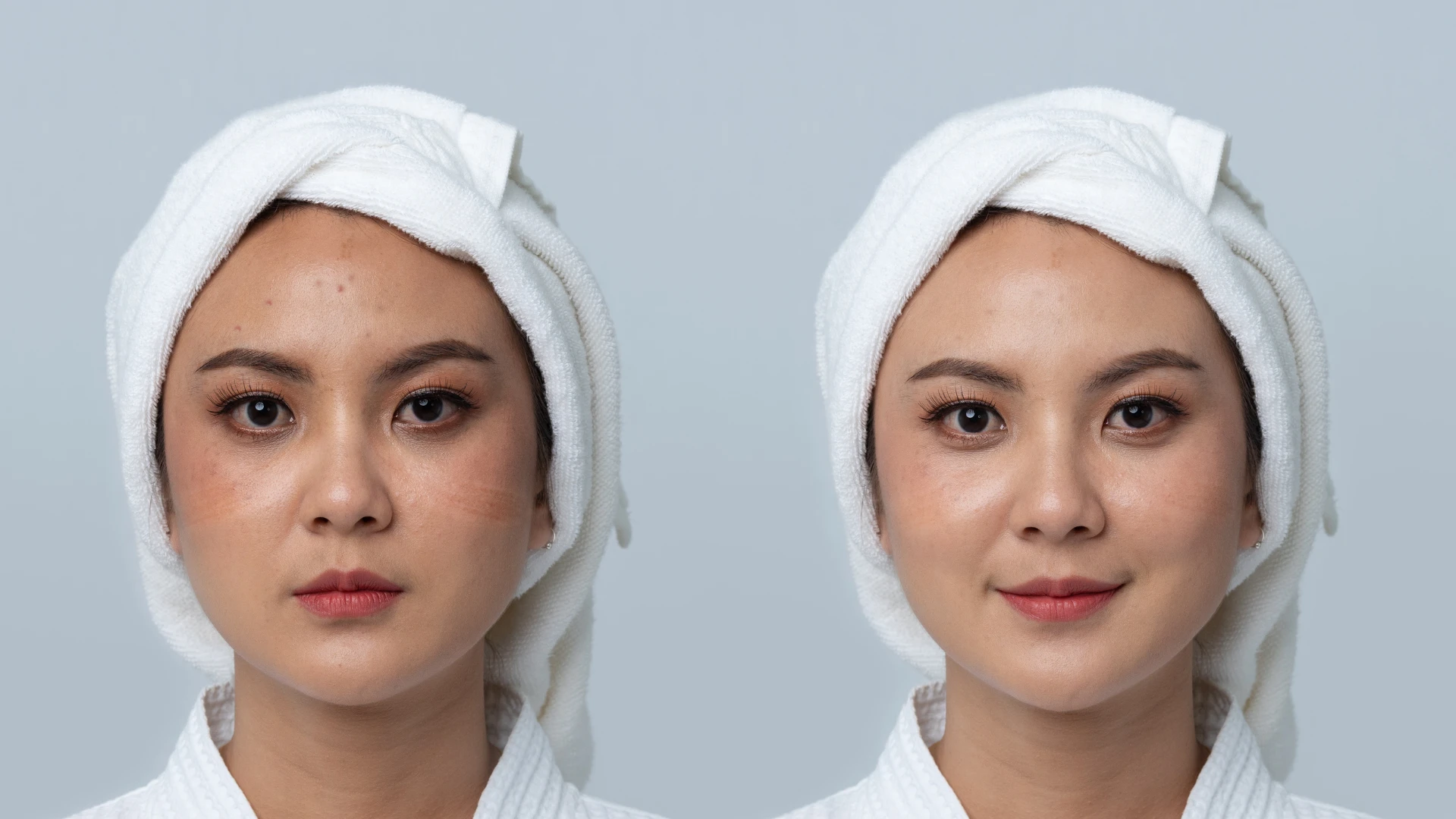
Have you noticed dark patches or uneven spots appearing on your face? You're not alone. Facial hyperpigmentation affects millions of people worldwide, creating frustration and self-consciousness about skin appearance. Understanding what triggers these changes is the first step toward clearer, more even-toned skin. This comprehensive checklist will help you identify the root causes of your hyperpigmentation, empowering you to make informed decisions about prevention and treatment. From sun damage to hormonal shifts, we'll explore every potential culprit behind those stubborn dark spots.
Facial hyperpigmentation occurs when certain areas of your skin produce excess melanin, the pigment responsible for skin color. This overproduction creates darker patches that stand out against your natural skin tone. The process happens when melanocytes, specialized cells in your skin, become overactive due to various triggers. Think of melanin as your skin's natural defense system. When it detects potential threats like UV rays or inflammation, it ramps up production to protect deeper skin layers. However, sometimes this protection goes into overdrive, creating lasting dark spots on face areas. Research shows that hyperpigmentation affects up to 90% of people over age 50, though it can appear much earlier. Women are particularly susceptible due to hormonal fluctuations during pregnancy and menopause. The condition manifests differently across skin types, with deeper skin tones often experiencing more pronounced post-inflammatory changes.
Recognizing hyperpigmentation early helps with effective treatment. Look for brown, black, or gray patches that appear darker than surrounding skin. These spots typically have well-defined borders and may vary in size from tiny freckles to large patches covering significant facial areas.
Sun exposure remains the leading cause of facial hyperpigmentation worldwide. UV radiation triggers immediate and long-term changes in melanin production, creating various types of sunspots on face areas. Even brief daily exposure without protection accumulates over time, leading to visible damage. Ultraviolet rays penetrate skin layers and stimulate melanocytes to produce protective pigment. While this mechanism helps prevent DNA damage, repeated exposure creates permanent changes in how these cells function. They begin producing melanin continuously, even without UV stimulation. Age spots, also called solar lentigines, represent the most common form of sun-induced hyperpigmentation. These flat, brown spots typically appear on areas with the most sun exposure: cheeks, forehead, nose, and temples. Unlike freckles, age spots don't fade during winter months and tend to darken with continued exposure.
People living in sunny climates face higher risks of developing UV-related hyperpigmentation. Outdoor workers, athletes, and frequent travelers to tropical destinations also show increased susceptibility. Even indoor workers can develop sun damage from driving or sitting near windows without UV protection.
Daily broad-spectrum sunscreen with at least SPF 30 provides essential protection against further damage. Reapplication every two hours, especially during outdoor activities, helps maintain effectiveness. Wide-brimmed hats and UV-protective clothing offer additional barriers against harmful rays.
Hormonal fluctuations create some of the most challenging forms of facial hyperpigmentation. Melasma causes include pregnancy, birth control pills, and hormone replacement therapy. This condition creates symmetrical patches across the face, often called the "mask of pregnancy." Estrogen and progesterone changes during pregnancy affect melanocyte activity, leading to increased pigment production. The condition typically appears during the second trimester and may persist long after delivery. Birth control pills containing these same hormones can trigger similar responses in susceptible individuals. Melasma patterns follow predictable locations: cheeks, bridge of the nose, forehead, and upper lip. The patches often appear brown or grayish and may darken with sun exposure. Unlike other forms of hyperpigmentation, melasma can fluctuate with hormonal cycles.
Women with darker skin tones show higher melasma susceptibility due to naturally active melanocytes. Family history also plays a significant role, suggesting genetic predisposition to hormonal pigmentation changes. Stress and certain medications can worsen existing melasma.
Post-inflammatory hyperpigmentation develops after skin injury or inflammation. Acne represents the most common trigger, but any inflammatory condition can cause lasting pigmentation changes. Environmental stressors, sun exposure and excess sebum cause frequent inflammation and breakouts on our melanated skin. This results in an uneven skin tone, spots, dullness and post-inflammatory hyperpigmentation. When skin experiences trauma, inflammatory cells release chemicals that stimulate melanin production. This response helps protect healing tissue but often continues long after the original injury resolves. The result is persistent dark marks where breakouts or injuries occurred. Acne-related dark spots typically appear as flat, brown marks in areas where pimples previously existed. These marks differ from acne scars, which involve changes in skin texture. PIH affects all skin types but appears more pronounced in individuals with naturally higher melanin levels.
Eczema, psoriasis, cuts, burns, and aggressive skincare treatments can all trigger post-inflammatory changes. Even minor irritation from harsh scrubbing or chemical peels may result in lasting pigmentation if not properly managed during healing.
Certain medications can trigger unexpected pigmentation disorders through various mechanisms. Antibiotics like tetracycline and minocycline may cause blue-gray discoloration with prolonged use. Antimalarial drugs, chemotherapy agents, and some heart medications also list hyperpigmentation as potential side effects. Medical conditions affecting hormone levels or metabolism can influence melanin production. Addison's disease causes widespread darkening due to elevated hormone levels. Lupus and other autoimmune conditions may create inflammatory changes leading to pigmentation irregularities. Genetic factors play crucial roles in hyperpigmentation susceptibility. Some individuals inherit variations in genes controlling melanin production, making them more prone to pigmentation changes from any trigger. Age-related changes in skin repair mechanisms also contribute to increased pigmentation with time.
Sudden appearance of new dark spots, rapid changes in existing pigmentation, or spots with irregular borders warrant dermatological evaluation. These changes could indicate underlying medical conditions requiring specific treatment approaches.
Use this comprehensive checklist to identify potential triggers for your facial hyperpigmentation: Sun Exposure Assessment: • Do you spend time outdoors without sunscreen protection? • Have you experienced sunburns in areas where dark spots appear? • Do you live in a sunny climate or high altitude location? • Are you frequently exposed to UV light through windows? Hormonal Factors: • Are you pregnant or have you been pregnant recently? • Do you use hormonal birth control or hormone replacement therapy? • Have you noticed pigmentation changes during menstrual cycles? • Do you have a family history of melasma? Inflammatory History: • Have you experienced acne in areas with current dark spots? • Do you have eczema, psoriasis, or other inflammatory skin conditions? • Have you had recent injuries, cuts, or burns on affected areas? • Do you use aggressive skincare products or treatments? Medical and Medication Review: • Are you taking any long-term medications? • Do you have any diagnosed medical conditions? • Have you noticed pigmentation changes after starting new medications? • Do you have a family history of pigmentation disorders?
Preventing further hyperpigmentation requires addressing identified triggers while protecting existing skin. Daily sunscreen application remains the most critical step, regardless of the original cause. Choose broad-spectrum formulas with zinc oxide or titanium dioxide for sensitive skin. Gentle skincare routines help prevent inflammatory triggers that worsen pigmentation. Avoid harsh scrubbing, picking at breakouts, or using irritating products that could cause additional inflammation. Our antioxidant serum with Kojic Acid and Alpha Arbutin helps prevent free radicals' damage while also reducing excess melanin to tackle discolouration and restore pigment balance, leaving behind rejuvenated, glowing skin with an even tone. Treating underlying conditions like acne or hormonal imbalances addresses root causes of pigmentation. Work with healthcare providers to manage medical conditions that contribute to skin changes. Consider timing of elective procedures or medication changes to minimize pigmentation risks.
Hyperpigmentation treatment options range from topical therapies to professional procedures. Prescription retinoids, hydroquinone, and combination treatments offer effective results for many people. Chemical peels, laser therapy, and microneedling provide additional options for stubborn pigmentation.
Sun exposure represents the primary cause of facial pigmentation, accounting for the majority of age spots and solar damage. UV radiation stimulates excess melanin production, creating lasting dark spots even from brief daily exposure without protection.
Many forms of hyperpigmentation can be significantly improved or eliminated with proper treatment. However, prevention remains crucial since triggers like sun exposure can cause recurrence. Hormonal melasma may fluctuate with hormonal changes throughout life.
PIH typically fades gradually over 6-12 months without treatment, though this varies by skin type and severity. Darker skin tones may experience longer healing times, while proper treatment can accelerate the fading process significantly.
Broad-spectrum sunscreens with SPF 30 or higher provide essential protection. Mineral formulas containing zinc oxide or titanium dioxide work well for sensitive skin, while chemical sunscreens offer cosmetic elegance for daily wear.
Hyperpigmentation appears as flat, brown, black, or gray patches with well-defined borders. Raised, irregular, or rapidly changing spots warrant professional evaluation to rule out other skin conditions requiring different treatment approaches.
Identifying hyperpigmentation causes empowers you to take control of your skin health. Sun protection remains the foundation of prevention, while addressing specific triggers like hormonal changes or inflammatory conditions provides targeted solutions. Use this checklist to evaluate your personal risk factors and develop an effective prevention strategy. Remember that professional guidance can help optimize treatment approaches for your specific situation and skin type.
