


Essential Checklist: Fix Skin Discoloration Fast
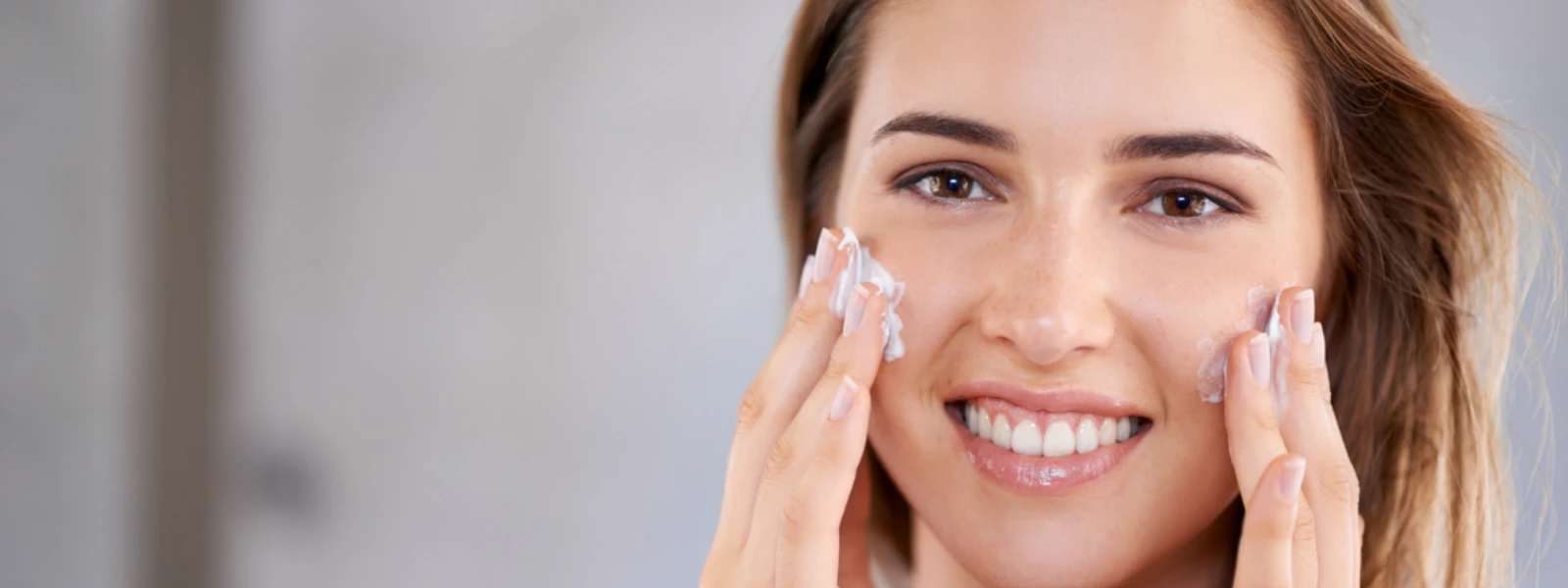
Dealing with skin discoloration can feel overwhelming, but the good news is that with the right approach, you can see real improvements. Whether you're battling dark spots from old breakouts, sun damage, or hormonal changes, understanding how to fix skin discoloration starts with knowing what you're dealing with. Environmental stressors, sun exposure and excess sebum cause frequent inflammation and breakouts on our melanated skin. This results in an uneven skin tone, spots, dullness and post-inflammatory hyperpigmentation. The key is creating a targeted plan that addresses your specific type of discoloration while being gentle enough for daily use.
Before diving into treatments, it's crucial to identify what type of skin discoloration you're dealing with. Different types respond better to specific treatments, so getting this right from the start saves time and frustration.
Melasma appears as brown or gray patches, usually on the face. It's often triggered by hormonal changes during pregnancy or from birth control pills. Age spots and sunspots show up as flat, brown spots from years of sun exposure. Post-inflammatory hyperpigmentation happens after acne, cuts, or other skin injuries heal, leaving dark marks behind.
Sun exposure tops the list of hyperpigmentation causes. UV rays trigger melanin production, leading to dark spots on skin. Hormonal fluctuations during pregnancy, menopause, or from medications can also cause discoloration. Even simple things like picking at blemishes or aggressive scrubbing can lead to lasting dark marks.
When over-the-counter products aren't cutting it, professional skin discoloration treatment options can provide faster, more dramatic results. These treatments work by either removing the top layers of discolored skin or targeting melanin production directly.
Chemical peels use acids to remove damaged skin layers, revealing fresher skin underneath. Light peels work well for surface discoloration, while deeper peels tackle stubborn spots. Laser treatments and IPL (intense pulsed light) target pigment directly, breaking it up so your body can naturally clear it away. Microneedling creates tiny channels in the skin, allowing skin brightening products to penetrate deeper while stimulating natural healing. This combination approach often works better than either treatment alone.
Hydroquinone remains the gold standard for skin pigmentation correction. It works by blocking the enzyme that produces melanin. Tretinoin speeds up cell turnover, helping fade existing spots while preventing new ones. Many dermatologists combine these with other ingredients for maximum effectiveness.
Building an effective routine around proven ingredients is often the most practical approach to treating uneven skin tone. These ingredients work gradually but consistently to fade discoloration and prevent new spots from forming.
Vitamin C is a potent antioxidant that inhibits melanin production while protecting against future damage. Kojic acid and alpha arbutin work similarly, gently lightening existing spots. Our antioxidant serum with Kojic Acid and Alpha Arbutin helps prevent free radicals' damage while also reducing excess melanin to tackle discolouration and restore pigment balance, leaving behind rejuvenated, glowing skin with an even tone. Niacinamide (vitamin B3) reduces inflammation and helps even skin tone without irritation. Alpha hydroxy acids like glycolic and lactic acid gently exfoliate, removing discolored surface cells and allowing other treatments to work better.
Morning routines should focus on protection and gentle brightening. Apply vitamin C serum first, followed by niacinamide if your skin tolerates both. Always finish with broad-spectrum sunscreen. Evening is when you can use stronger actives like retinoids or hydroquinone, but introduce them slowly to avoid irritation.
While professional treatments work faster, natural remedies for hyperpigmentation can be effective for mild discoloration or as supportive treatments alongside clinical options.
Aloe vera gel contains compounds that can help fade dark spots when used consistently over time. Green tea extract provides antioxidant protection while gently lightening pigmentation. Licorice root extract contains glabridin, which inhibits melanin production naturally. Turmeric mixed with honey creates a gentle mask that can help with inflammation-related discoloration. However, be careful with turmeric as it can temporarily stain the skin yellow.
Always patch test natural ingredients before applying them to your face. Some people are sensitive to seemingly gentle ingredients like lemon juice or apple cider vinegar. Natural treatments typically take longer to show results – think months rather than weeks. They work best for mild discoloration and as maintenance treatments.
Consistency beats intensity when it comes to treating skin discoloration. A well-planned daily routine protects existing progress while gradually improving your skin tone.
Sunscreen is non-negotiable. Even on cloudy days, UV rays can worsen existing discoloration and create new spots. Choose broad-spectrum SPF 30 or higher and reapply every two hours if you're outdoors. Antioxidant serums provide additional protection against environmental damage that can trigger more pigmentation.
Gentle cleansing removes daily buildup without irritating sensitive, discolored areas. This is when you apply your strongest actives – retinoids, hydroquinone, or acid treatments. Follow with a moisturizer to maintain your skin barrier, which is crucial for healing and preventing further damage.
Understanding realistic timelines helps you stay committed to your treatment plan. Most people see initial improvements in 6-8 weeks, but significant changes often take 3-6 months of consistent treatment.
Topical treatments like vitamin C or retinoids typically show results in 6-12 weeks with daily use. Professional procedures often require 2-6 sessions spaced weeks apart, with improvements visible after the first treatment. Melasma treatment can be particularly stubborn, sometimes requiring 6 months or more of consistent treatment.
Take progress photos in the same lighting conditions to track improvements that might be hard to notice day-to-day. Don't switch treatments too quickly – give each approach at least 8-12 weeks unless you experience irritation. Remember that preventing new discoloration is just as important as treating existing spots.
Many types of discoloration can be significantly improved or even eliminated with proper treatment. However, the tendency to develop discoloration often remains, making ongoing maintenance important.
Hormonal changes, certain medications, and underlying health conditions can cause darkening. If you notice unexplained changes, consult a dermatologist to rule out medical causes.
Professional treatments like laser therapy or chemical peels typically provide the fastest results, often showing improvement after just one session.
Natural treatments generally require 3-6 months of consistent use to show noticeable results. They work best for mild discoloration and as supportive treatments.
Yes, but introduce new treatments gradually to avoid irritation. Many people combine professional procedures with at-home skincare for optimal results.
Fixing skin discoloration requires patience, consistency, and the right approach for your specific type of pigmentation. Start with identifying your discoloration type, then choose treatments that match your skin's needs and your lifestyle. Professional treatments offer faster results, while consistent daily care with proven ingredients provides long-term improvement. Remember that sun protection is crucial throughout your treatment journey – it prevents new damage while allowing your treatments to work effectively. With the right plan and realistic expectations, you can achieve the even, radiant skin tone you're looking for.
