


Essential Checklist: Controlling Facial Pore Appearance
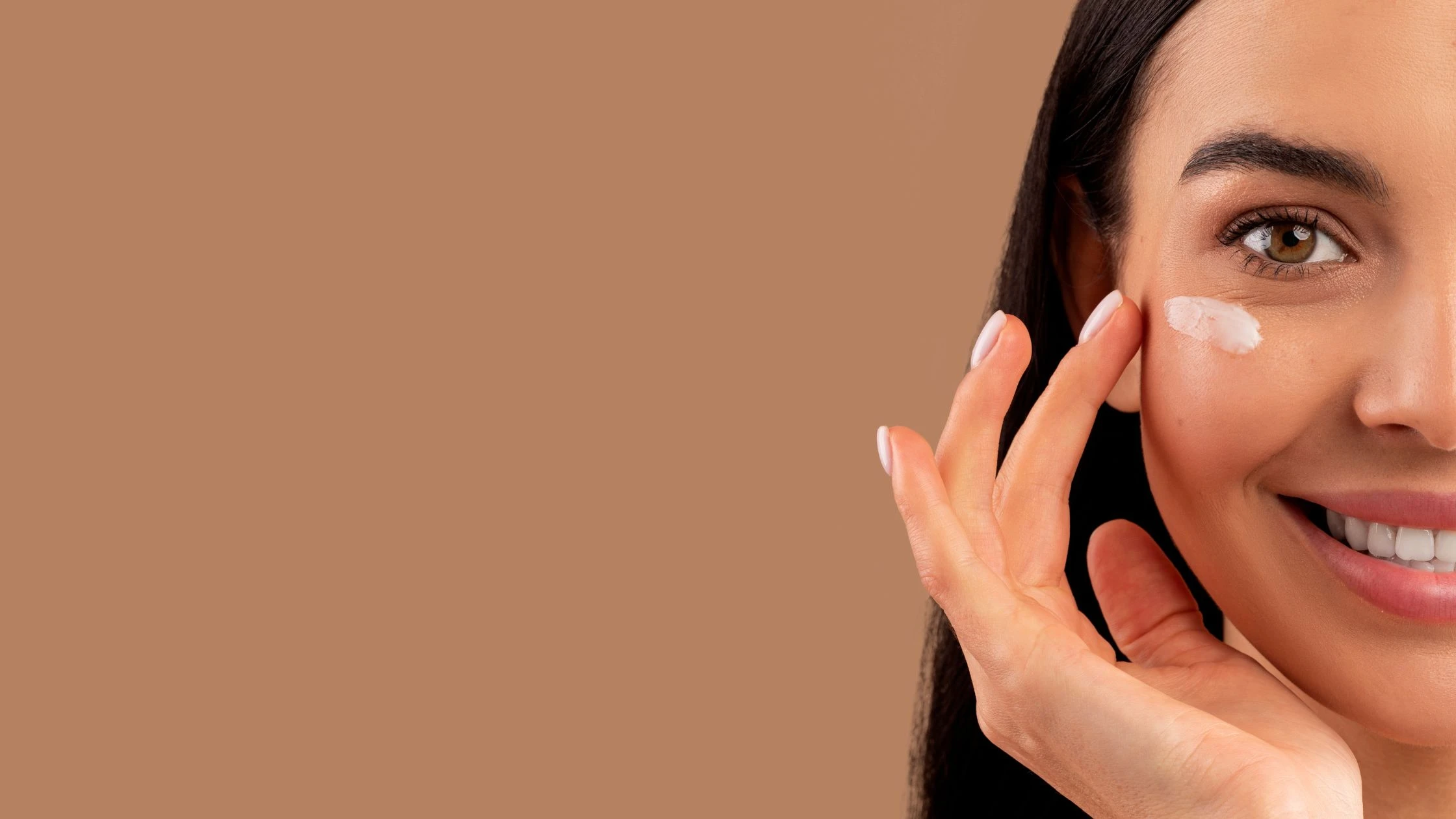
Large pores affect over 85% of adults worldwide, making them one of the most common skin concerns people face daily. Understanding what affects pore appearance is the first step toward achieving smoother, more refined skin texture. Your pores serve important functions, but when they become enlarged or clogged, they can impact your confidence and overall skin health. This comprehensive checklist will guide you through proven strategies for pore size reduction, from identifying the root causes to implementing effective treatment methods that deliver real results.
Pore size isn't just about genetics or bad luck. Several scientific factors determine how visible your pores appear on your skin's surface. When you understand these mechanisms, you can target the right solutions for your specific concerns.
High sebum production tops the list of what affects pore appearance most dramatically. When your sebaceous glands produce excess oil, it mixes with dead skin cells and creates a plug that stretches the pore opening. This stretching makes pores appear larger and more noticeable, especially in your T-zone area. Decreased elasticity around pore openings occurs naturally as we age. Collagen and elastin fibers that once kept pores tight begin to break down, allowing the openings to expand. This process accelerates with sun exposure and environmental damage.
Your DNA plays a significant role in determining your baseline pore size and oil production levels. Some people inherit naturally larger pores or more active sebaceous glands. However, environmental factors can make genetically normal pores appear much larger than they need to be. Sun damage, pollution exposure, and harsh skincare practices all contribute to enlarged pores causes that you can control with proper care.
Dark spots and uneven skin tone create optical illusions that make pores appear larger than they actually are. When hyperpigmentation surrounds pore openings, it creates shadows that emphasize texture irregularities. Treating both concerns simultaneously often yields better results for overall skin texture improvement.
Identifying the specific factors contributing to your pore concerns helps you choose the most effective treatment approach. Multiple causes often work together to create the appearance of enlarged pores.
Hormonal fluctuations during puberty, menstruation, pregnancy, and menopause can trigger increased oil production. This excess sebum doesn't just make your skin look shiny – it actively stretches pore openings as it accumulates. Seasonal changes also affect oil production, with many people noticing larger-looking pores during humid summer months.
Starting in your twenties, collagen production begins to decline gradually. This process affects the supportive structure around your pores, causing them to lose their tight, refined appearance. Sun damage accelerates this aging process significantly, making photoprotection crucial for long-term pore size reduction.
High-glycemic foods like white bread, sugary snacks, and processed meals can trigger inflammatory responses that worsen pore appearance. Dairy products may also contribute to increased oil production in some individuals. Poor sleep quality and chronic stress elevate cortisol levels, which can stimulate sebaceous gland activity.
When at-home methods aren't delivering the results you want, professional treatments offer more intensive solutions for pore size reduction. These options work by addressing the deeper structural issues that contribute to enlarged pores causes.
Laser treatments like fractional CO2 and radiofrequency devices stimulate collagen production around pore openings. These procedures can significantly improve skin texture over several months of healing. Chemical peels using stronger acids than over-the-counter products can also resurface the skin and reduce pore visibility. Microneedling creates controlled micro-injuries that trigger your skin's natural healing response, leading to improved texture and smaller-appearing pores over time.
Dermatologists can prescribe stronger retinoids that accelerate cell turnover more effectively than drugstore options. Professional extractions, when performed correctly, can clear stubborn clogs without damaging surrounding tissue. These treatments often provide immediate improvement in pore appearance.
If you've been consistent with a good skincare routine for three to six months without seeing improvement, professional intervention might be necessary. Realistic expectations are important – even the best treatments can only minimize pore appearance, not eliminate pores entirely.
Effective pore cleansing methods don't require expensive equipment or professional treatments. The right combination of ingredients and techniques can deliver noticeable improvements in skin texture improvement when used consistently.
Salicylic acid penetrates oil-filled pores to dissolve clogs from the inside out. This beta-hydroxy acid is oil-soluble, making it particularly effective for oily, pore-prone skin. Niacinamide helps regulate oil production while reducing inflammation around pore openings. Retinol accelerates cell turnover, preventing dead skin cells from accumulating in pores. It also stimulates collagen production, which can help tighten the appearance of enlarged pores over time.
Clay masks draw excess oil from pores while providing gentle exfoliation. Use them once or twice weekly to avoid over-drying your skin. Toners containing pore-refining ingredients help remove residual impurities after cleansing while preparing your skin for treatment products. Serums offer concentrated doses of active ingredients that target specific skin imperfections treatment needs.
While many DIY treatments lack scientific backing, some natural ingredients do show promise for pore care. Green tea contains antioxidants that can help reduce inflammation, while honey has antimicrobial properties that may benefit acne-prone skin. Always patch-test natural ingredients before applying them to your entire face, as even natural substances can cause irritation.
Consistency matters more than expensive products when it comes to managing facial pore visibility. A well-structured routine addresses what affects pore appearance through multiple mechanisms throughout the day.
Start with a gentle cleanser that removes overnight oil buildup without stripping your skin's protective barrier. Follow with a pore-minimizing toner to remove any remaining impurities and prep your skin for treatment products. Sunscreen is non-negotiable for preventing further collagen damage that contributes to enlarged pores causes.
Double cleansing ensures thorough removal of makeup, sunscreen, and daily pollutants that can clog pores. Start with an oil-based cleanser, then follow with a water-based formula containing salicylic acid or other pore-clearing ingredients. Exfoliate two to three times weekly using either chemical or gentle physical methods, but never both on the same day.
Clay masks provide deeper cleansing than daily products can achieve. Apply them to clean skin and remove before they become completely dry to avoid irritation. Gentle enzyme exfoliants can supplement your regular exfoliation routine without causing over-processing.
Sustaining improvements in pore appearance requires ongoing attention to both skincare and lifestyle factors. Prevention often proves more effective than trying to reverse existing damage.
Reducing high-glycemic foods and dairy products may help some people achieve better oil control. Staying properly hydrated helps maintain skin plumpness, which can make pores appear smaller. Regular exercise improves circulation and helps your body eliminate toxins through sweat.
Broad-spectrum sunscreen prevents UV damage that breaks down collagen around pores. In polluted urban environments, consider using antioxidant serums to neutralize free radical damage. Air conditioning and heating can affect skin hydration levels, so adjust your routine seasonally.
Avoid over-cleansing, which can trigger increased oil production as your skin tries to compensate. Regular dermatologist visits help catch problems early and adjust your treatment plan as needed. Rotate products occasionally to prevent your skin from becoming too accustomed to specific ingredients.
Excess oil production, loss of skin elasticity, clogged pores, and surrounding hyperpigmentation all contribute to enlarged pore appearance. Genetics, age, sun damage, and hormonal changes are the primary underlying causes.
Vitamin A deficiency can affect skin cell turnover and oil production, potentially contributing to enlarged pores. However, most pore issues stem from multiple factors rather than single nutrient deficiencies.
Pores are natural openings for hair follicles and sebaceous glands. They become more visible when filled with oil, dead skin cells, or when the surrounding skin loses elasticity due to aging or damage.
High-glycemic foods like white bread, sugary snacks, and processed foods can trigger inflammation and increased oil production. Dairy products may also worsen pore appearance in some individuals.
Understanding what affects pore appearance empowers you to make informed decisions about your skincare routine and lifestyle choices. While you can't change your genetics or completely eliminate pores, consistent use of proven ingredients and techniques can significantly improve your skin's texture and appearance. Remember that pore size reduction takes time – most people see noticeable improvements after 6-12 weeks of consistent care. Focus on gentle, consistent methods rather than harsh treatments that can damage your skin's protective barrier and potentially make pores appear larger.
