


Essential Checklist: Best Treatments for Pigmentation Correction
Your Cart
0You May Also Like
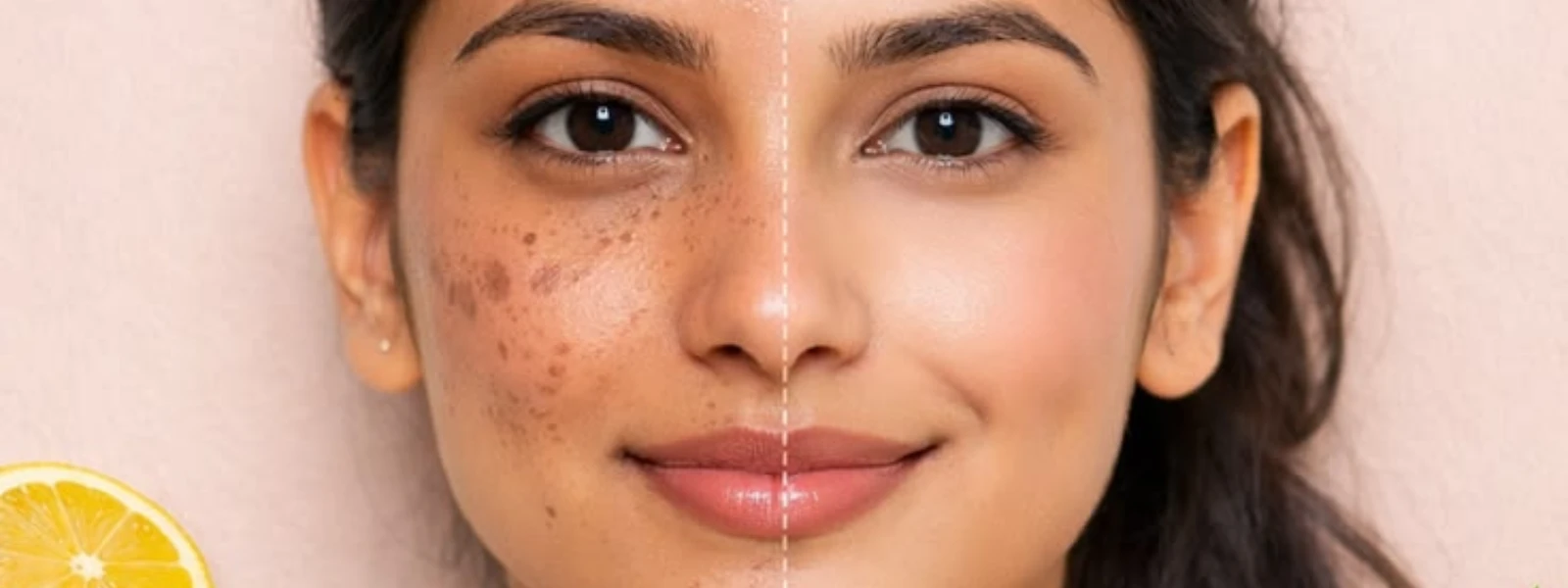
Dealing with uneven skin tone and dark spots can feel overwhelming, especially when you're unsure which treatment will actually work for your specific type of pigmentation. The good news is that modern skincare offers a range of proven solutions, from gentle at-home treatments to powerful professional procedures. Whether you're battling post-acne marks, melasma, or sun damage, having a clear roadmap of the best treatments for pigmentation can help you make informed decisions and achieve the clear, even complexion you've been working toward.
Before diving into treatments, it's crucial to understand what's causing your pigmentation issues. Different types of hyperpigmentation respond better to specific treatments, so identifying your particular concern is the first step toward effective correction. Most pigmentation occurs when your skin produces excess melanin in response to various triggers, creating those frustrating dark patches and uneven areas.
Sun exposure remains the leading cause of pigmentation, as UV rays stimulate melanin production as a protective response. Hormonal fluctuations, particularly during pregnancy or while using birth control, can trigger melasma - those stubborn brown patches that often appear on the cheeks and forehead.
UV damage and prolonged sun exposure
Hormonal changes leading to melasma
Post-inflammatory hyperpigmentation from acne or injuries
Age-related melanin accumulation
Certain medications and medical conditions
Post-acne dark spots typically appear as small, concentrated areas where breakouts occurred. These respond well to targeted treatments and usually fade faster than other types of pigmentation.
Melasma: symmetrical patches often triggered by hormones
Post-inflammatory hyperpigmentation: dark marks left after acne or injury
Solar lentigines: age spots from cumulative sun damage
Drug-induced pigmentation from certain medications
Topical treatments form the foundation of any effective pigmentation correction routine. These daily-use products work gradually to inhibit melanin production, accelerate cell turnover, and fade existing dark spots. The key is consistency and choosing ingredients that are proven to deliver results.
Hydroquinone remains the most researched and effective topical ingredient for melanin reduction. Available in 2% concentrations over-the-counter, it works by inhibiting the enzyme responsible for melanin production.
Start with 2% concentration to assess tolerance
Apply only to affected areas, not entire face
Use for 3-4 months, then take a break
Always pair with broad-spectrum sunscreen
Retinoids speed up skin cell renewal, helping to push pigmented cells to the surface where they can be shed naturally. This process also prevents new pigmentation from forming.
Tretinoin shows fastest results for pigmentation
Over-the-counter retinol offers gentler alternative
Start slowly to build tolerance
Expect initial dryness and sensitivity
Vitamin C serums provide antioxidant protection while gradually lightening existing spots. Look for stable forms like magnesium ascorbyl phosphate or sodium ascorbyl phosphate for better results.
L-ascorbic acid: most potent but less stable
Niacinamide: reduces melanin transfer to skin cells
Alpha arbutin: gentle alternative to hydroquinone
Kojic acid: natural brightening agent
When topical treatments aren't delivering the results you want, professional procedures can provide more dramatic improvement. These treatments work deeper in the skin and can address stubborn pigmentation that doesn't respond to at-home care.
Laser treatments target pigmented cells with precise light energy, breaking up melanin deposits so your body can naturally eliminate them. Different lasers work better for different types of pigmentation.
Q-switched lasers: excellent for deep, stubborn spots
IPL therapy: effective for widespread sun damage
Fractional lasers: improve overall skin texture and tone
Multiple sessions typically required for best results
Chemical peels remove damaged skin layers, revealing fresher, more even-toned skin underneath. The depth of the peel determines how much pigmentation can be addressed.
Glycolic acid peels: gentle option for mild pigmentation
TCA peels: stronger option for stubborn spots
Combination peels: target multiple skin concerns
Series of treatments needed for optimal results
Choosing the right treatment approach depends on how severe your pigmentation is and how quickly you want to see results. Mild cases often respond well to consistent at-home care, while stubborn pigmentation may require professional intervention.
For light spots and minor uneven tone, a consistent at-home routine can deliver significant improvement over 3-6 months.
Daily vitamin C serum in the morning
Retinol or gentle exfoliant 2-3 times per week
Hydroquinone or alpha arbutin for spot treatment
Broad-spectrum SPF 30+ every single day
Deeper, more extensive pigmentation typically requires combining professional treatments with a strong at-home routine for best results.
Monthly chemical peels or laser sessions
Prescription-strength topical treatments
Consistent daily skincare routine
Realistic timeline of 6-12 months for significant improvement
Preventing new pigmentation is just as important as treating existing spots. Sun protection forms the cornerstone of any successful pigmentation treatment plan, as continued UV exposure can undo months of progress in just a few days.
Consistent sunscreen use is non-negotiable when treating pigmentation. Even brief sun exposure can trigger new melanin production and darken existing spots.
SPF 30 or higher broad-spectrum protection
Reapply every 2 hours when outdoors
Physical blockers (zinc oxide) for sensitive skin
Seek shade during peak UV hours (10 AM - 4 PM)
Supporting your skin from the inside can enhance the effectiveness of topical treatments and help prevent future pigmentation issues.
Antioxidant-rich diet with plenty of vitamin C
Adequate hydration for healthy cell turnover
Stress management to balance hormones
Gentle skincare routine to prevent inflammation
Most people notice initial improvement within 4-6 weeks of consistent treatment, with significant results visible after 3-6 months. Complete correction of stubborn pigmentation can take 12 months or longer, depending on the severity and type of pigmentation.
Yes, combining treatments often provides better results than using single ingredients alone. However, introduce new products gradually to avoid irritation, and always use sunscreen when using active ingredients that increase photosensitivity.
Professional treatments work deeper in the skin and can address more severe pigmentation, but they're more expensive and may require downtime. At-home treatments are gentler and more affordable but take longer to show results and may not be effective for stubborn pigmentation.
Some treatments, particularly chemical peels and laser therapy, can cause temporary darkening as pigmented cells are brought to the surface. This usually resolves within a few weeks as the skin heals and sheds the damaged cells.
Successfully treating pigmentation requires patience, consistency, and often a combination of approaches. Start with identifying your specific type of pigmentation, then choose treatments that target your particular concerns. Remember that prevention through daily sun protection is just as important as active treatment, and realistic expectations will help you stay motivated throughout your journey to clearer, more even-toned skin. Whether you choose gentle at-home treatments or more aggressive professional procedures, consistency and sun protection remain the keys to achieving and maintaining your results.
