


Dark Underarms: Your Top Questions on Brightening Melanin-Rich Skin
Your Cart
0You May Also Like
Dark underarms are common, and they are not a sign that you have done anything wrong. Friction, shaving, sweat, and product irritation can all leave skin darker over time. This is often more noticeable on melanin-rich skin, which can make extra pigment after irritation. If you are asking how to lighten my dark underarms, start by finding the trigger. Then use a calm, steady routine. Asaya focuses on pigmentation concerns that can behave differently on Indian skin, including dark spots, acne marks, and uneven skin tone. Underarm brightening is not about harsh scrubbing or quick fixes. It is about reducing irritation while supporting more even-looking skin.
Dark underarms often stem from friction, shaving, or product irritation.
Gentle exfoliation and brightening actives can help, but results take time.
See a dermatologist if skin feels thick, velvety, or does not improve.
Hyperpigmentation underarms often follows irritation. Melanin-rich skin may produce more pigment after inflammation, so small triggers can leave a longer-lasting mark. Understanding the different causes — from everyday habits to internal factors — is the first step to choosing the right approach for your skin.
Common triggers include close shaving, tight sleeves, rubbing, and irritating deodorants. Sweat and chafing can add to the problem too.
Post-inflammatory hyperpigmentation, or PIH, is darkening that follows irritation. It may fade once the trigger stops and a gentle routine begins. Acanthosis nigricans can look darker and feel thick or velvety. Hormonal changes may also affect pigment. These causes need a medical assessment.
Harsh shaving, tight clothing, and strong deodorants can keep the area inflamed. Fragrance, alcohol, and baking soda may also bother sensitive skin. Switch one habit at a time, so you can tell what your skin tolerates.
Dark armpits can fade when you address the cause. PIH-related darkening may improve with gentler habits and consistent care. Yet there is no promise of permanent change if friction, hair removal, or irritation continues.
Deeper skin tones can take longer to clear pigment after inflammation. Maintenance matters. Once the skin looks more even, keep the routine simple and avoid known triggers.
A tyrosinase inhibitor helps limit excess melanin production. Niacinamide, kojic acid, and alpha-arbutin are common brightening ingredients. Glycolic acid and salicylic acid exfoliate surface buildup. When choosing skincare for Indian skin, it helps to look for actives that are proven to work on deeper skin tones without triggering further inflammation.
Start slowly, especially if your underarms sting easily. Use one leave-on active at a time and stop if burning or a rash occurs.
Lemon juice, baking soda, and rough scrubs can irritate underarm skin. That irritation can lead to more darkening on melanin-rich skin. A dark spot corrector should feel comfortable, not tingly or painful.
A dermatologist may suggest prescription topicals, chemical peels, or laser therapy for persistent pigment. The right option depends on the cause, your skin history, and how reactive your skin is. For melanin-rich skin specifically, it is important to discuss how each treatment interacts with higher melanin levels, as some procedures carry a greater risk of post-treatment pigment changes on deeper tones.
Laser treatment needs extra care on darker skin tones. Ask about the provider's experience with melanin-rich skin and the risk of pigment changes after treatment. A patch test or trial session is often recommended before committing to a full course.
Keep your routine calm and repeatable. Do not stack several strong products in one night. This can cause irritation and set back underarm brightening.
Cleanse gently and pat the area dry.
Use a leave-on exfoliant on selected nights.
Apply a brightening product on other nights.
Use SPF if the area will be exposed to sun.
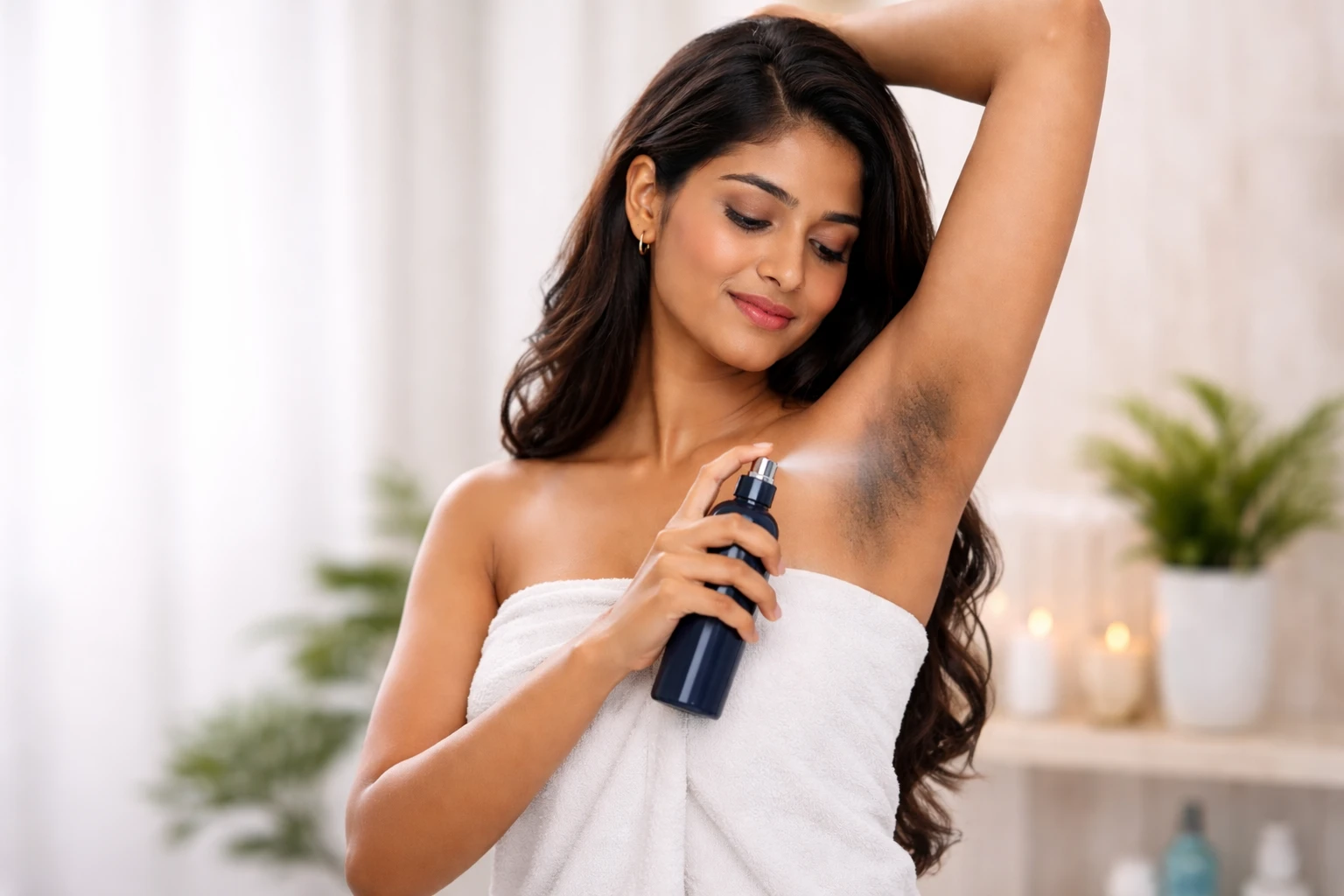
Asaya Even Tone Underarm Mist is made for underarm pigmentation and odour care. For friction-prone body areas beyond the underarm, the Fade Forward Inner Thigh & Bum Roll-On uses a MelaMe™ Complex and a 10% AHA + PHA blend to target pigmentation caused by repeated rubbing and chafing. The Asaya Fade & Fresh Duo pairs this mist with Fade Forward Roll-On for pigmentation-prone body areas. The Asaya Target & Fade Duo also combines the underarm mist with the roll-on for a simple body-focused routine.
There is no safe overnight fix. Five days is usually too soon for clear pigment change. Chemical exfoliants and brightening actives work through steady use, not aggressive use. If irritation starts, pause and focus on barrier comfort.
If your deodorant stings, burns, or causes bumps, it may be adding to the problem. Try a gentler formula and avoid applying it right after shaving. Look for options free from alcohol, fragrance, and baking soda, as these are common irritants that can worsen pigmentation on melanin-rich skin over time.
Shaving can cause tiny cuts and ingrown hairs. Waxing or laser hair removal may suit some people, but both can also irritate skin. Choose the method your skin handles well and avoid rubbing the area afterward. Allowing the skin to fully calm between sessions can also help reduce the cycle of inflammation that drives ongoing darkening.
See a dermatologist if the skin becomes thick, velvety, itchy, sore, or suddenly much darker. These signs may point to something beyond routine irritation.
Also seek advice if you see no improvement after 12 weeks of careful home care. A clinician can help identify acanthosis nigricans, hormonal darkening, or another cause.
Start by reducing the triggers — switch to a gentler deodorant, avoid close shaving, and wear looser clothing. Use a leave-on brightening active like niacinamide or alpha-arbutin consistently. Avoid harsh scrubs or home remedies that sting, as these can worsen pigmentation on melanin-rich skin. Results take time, but a calm, steady routine is the safest approach.
No. There is no safe overnight fix for dark underarms. Products that promise instant results often contain harsh ingredients that can irritate the skin and cause more darkening over time, especially on melanin-rich skin. Consistent use of gentle brightening actives over several weeks is the only reliable approach.
There is no instant fix. The fastest safe approach is to reduce irritation and use exfoliating and brightening actives consistently. Avoid scrubs and home remedies that sting.
Five days may help you make routine changes, but it is not enough time to expect major fading. For melanin-rich skin, steady care is safer than trying to force quick results.
Yes, PIH-related darkening can fade when the cause is addressed. Results depend on reducing friction, changing irritating products, and using suitable actives over time.
Dark underarms are common. Friction, shaving, sweat, and deodorant irritation are frequent causes. Melanin-rich skin can also develop PIH more easily after irritation. It is not something to shame or diagnose from appearance alone.
Asaya Even Tone Underarm Mist is intended for underarm pigmentation and odour care. Patch test first, especially after hair removal, and stop use if irritation occurs.
Dark underarms need patience, not punishment. Focus on less friction, gentler hair removal, and ingredients your skin can tolerate. If you want something formulated specifically for how melanin-rich skin processes pigment, MelaMe™ is worth knowing about — it is an advanced, melanin-first complex designed to visibly treat discolouration and restore pigment balance within two weeks of regular use. It is tested and proven to help break excess melanin deposits into re-absorbable amino acids while inhibiting excess melanin production. This helps fade and prevent blemishes while supporting clearer, more even-toned skin.
