


Dark Underarms on Brown Skin FAQ: Best Moisturizers & Treatments
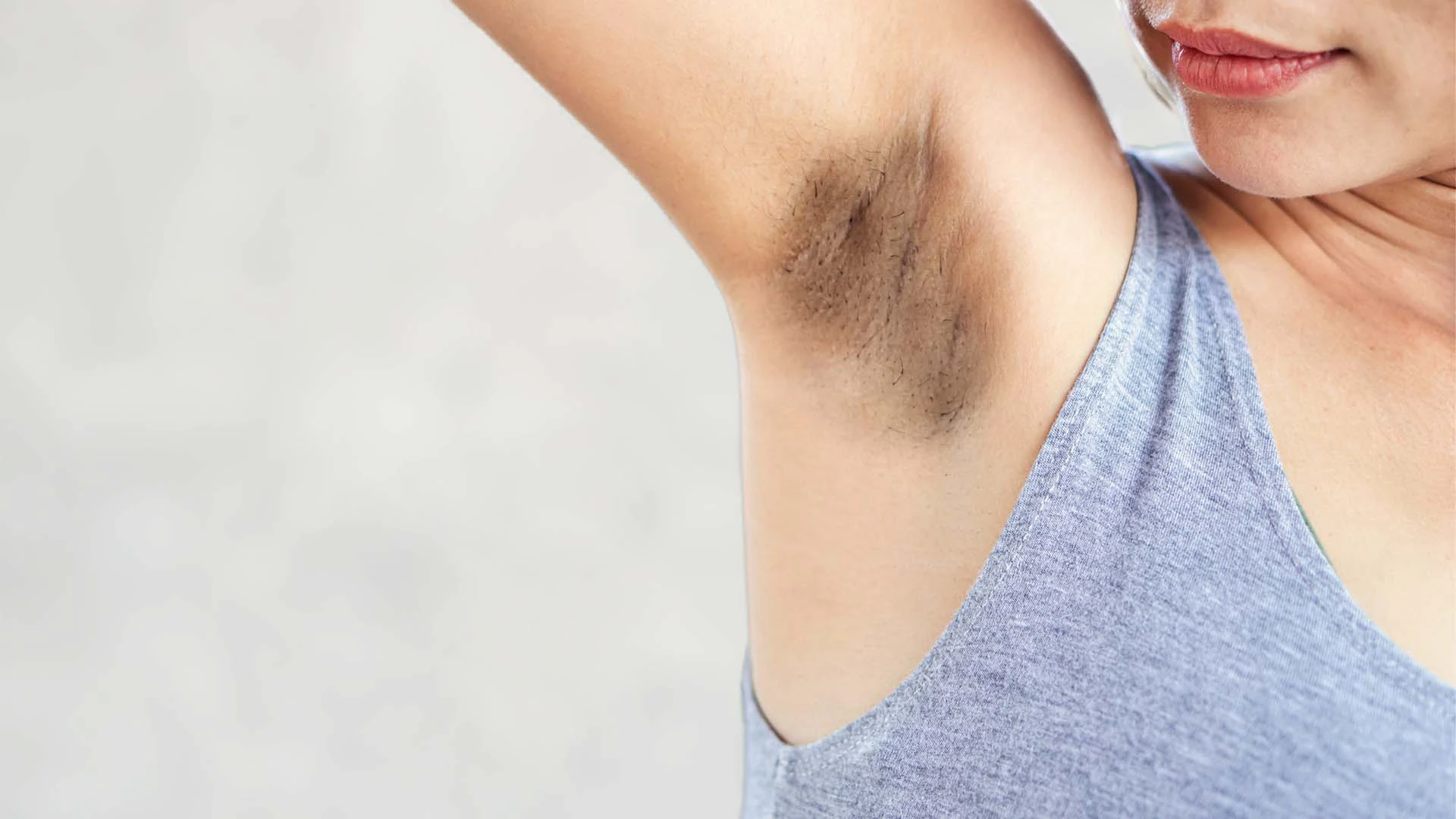
Dark underarms can feel like an unwelcome surprise, especially when you're dealing with brown skin that seems more prone to these stubborn patches. You're not alone in wondering what is the best moisturizer for dark underarms in brown skin – it's one of the most common concerns we hear about. The good news? With the right approach and ingredients, you can absolutely improve the appearance of underarm discoloration. Let's dive into everything you need to know about treating and preventing dark underarms, from understanding the root causes to finding the perfect moisturizing routine that actually works for your skin tone.
Before we jump into solutions, it's crucial to understand why hyperpigmentation underarms happens in the first place. Your underarms are delicate areas that face constant friction, moisture, and product exposure – a perfect storm for discoloration.
Several factors contribute to underarm discoloration, and understanding them helps you choose the right treatment approach:
Acanthosis nigricans: Often linked to insulin resistance, this condition causes thick, dark patches
Friction and irritation: Tight clothing, frequent shaving, and harsh deodorants create ongoing irritation
Hormonal changes: Pregnancy, PCOS, and other hormonal shifts can trigger pigmentation
Product buildup: Deodorants and antiperspirants can accumulate and cause darkening
Genetics: Some people are simply more prone to developing dark patches
If you have brown skin, you've probably noticed that brown skin hyperpigmentation seems to happen more easily and take longer to fade. This isn't in your head – it's science. Melanin-rich skin produces more pigment in response to irritation or inflammation, leading to what dermatologists call post-inflammatory hyperpigmentation. Your skin's natural protective response can sometimes work against you, creating those persistent dark patches that seem impossible to budge.
When searching for the best underarm cream, ingredients matter more than brand names. The right combination can help you lighten dark armpits while keeping your skin healthy and hydrated.
These powerhouse ingredients have proven track records for treating pigmentation:
Niacinamide: Reduces inflammation, controls oil production, and gradually brightens skin
Kojic acid: Natural ingredient derived from fungi that inhibits melanin production
Alpha arbutin: Gentle alternative to hydroquinone that's safer for long-term use
Retinol: Accelerates cell turnover to reveal brighter skin underneath
Lactic acid: Gentle exfoliation that helps remove dead skin cells and brighten tone
Your underarms need hydration without irritation. Look for these soothing ingredients:
Hyaluronic acid: Holds up to 1000 times its weight in water for deep hydration
Ceramides: Repair and strengthen your skin's natural barrier
Vitamin E: Antioxidant protection that soothes irritated skin
Aloe vera: Natural anti-inflammatory that calms redness and irritation
Glycerin: Humectant that draws moisture from the air to your skin
Finding the right underarm whitening product can feel overwhelming with so many options available. Here's what actually works for brown skin tones.
Professional-grade formulations often deliver the most consistent results:
Prescription retinoids: Tretinoin or adapalene can significantly improve pigmentation over time
Hydroquinone-based creams: Gold standard for pigmentation but requires dermatologist supervision
Combination therapy products: Formulas that blend multiple active ingredients for comprehensive treatment
Clinical-strength niacinamide serums: Gentle yet effective for daily use
Effective dark underarm treatment doesn't have to break the bank. Many affordable options contain proven ingredients that can help improve uneven skin tone armpits over time. Look for products containing glycolic acid, vitamin C, or kojic acid at drugstore prices. Indian brands often formulate specifically for brown skin tones, making them excellent value choices.
Consistency beats intensity when it comes to treating pigmentation. Here's how to structure your routine for the best results.
Morning routine should focus on protection and hydration:
Gently cleanse with a mild, fragrance-free cleanser
Apply a niacinamide-based moisturizer while skin is still damp
Wait 10-15 minutes before applying deodorant
Choose aluminum-free deodorants to reduce irritation
Evening routine allows for stronger active ingredients:
Remove all deodorant residue with gentle cleansing
Apply treatment cream with kojic acid or retinol
Follow with a hydrating moisturizer to prevent dryness
Allow products to fully absorb before putting on sleepwear
Sometimes professional intervention accelerates results. Dermatologists can prescribe stronger formulations or recommend procedures like chemical peels specifically designed for pigmentation. However, many people see significant improvement with consistent at-home care using the right products and techniques.
While clinical treatments often work faster, natural remedies for dark underarms can complement your routine and provide gentle improvement over time.
These kitchen-cabinet solutions have stood the test of time:
Lemon and turmeric paste: Natural acids and anti-inflammatory compounds work together
Baking soda scrub: Gentle exfoliation removes dead skin cells (use sparingly)
Coconut oil massage: Moisturizes while providing antimicrobial benefits
Potato slices: Vitamin C content may help brighten skin over time
Prevention is always easier than treatment. Simple changes in your daily routine can prevent future darkening and help maintain the results you achieve from treatment.
Most people notice initial improvement within 4-6 weeks of consistent treatment. Significant lightening typically takes 3-6 months, depending on the severity of pigmentation and the strength of products used. Brown skin often takes longer to show results due to higher melanin content, so patience is key.
While proper moisturizing is essential for healthy skin, moisturizer alone rarely resolves significant pigmentation. You'll likely need products containing active ingredients like niacinamide, kojic acid, or retinoids for noticeable lightening. However, keeping the area well-moisturized prevents further irritation and supports the healing process.
Most commercial underarm lightening creams are formulated for daily use, but always check the ingredient list. Products containing hydroquinone should be used under dermatologist supervision and typically for limited periods. Gentler ingredients like niacinamide and kojic acid are generally safe for long-term daily use.
Lightening products typically contain stronger active ingredients that directly inhibit melanin production, like hydroquinone or kojic acid. Brightening products focus on improving overall skin tone and radiance through exfoliation and hydration, often using ingredients like vitamin C or alpha hydroxy acids. Both can be effective for dark underarms.
You don't need to stop using deodorant entirely, but switching to gentler, aluminum-free formulas can help reduce irritation. Apply treatment products first, allow them to absorb completely, then apply deodorant. Consider using natural alternatives like crystal deodorants during treatment periods.
Finding the best moisturizer for dark underarms in brown skin involves understanding your skin's unique needs and choosing products with proven ingredients. Remember that treating pigmentation takes time – especially on brown skin – but consistent care with the right products will show results. Focus on gentle, hydrating formulations that include active ingredients like niacinamide or kojic acid, and don't forget that prevention through proper skincare habits is just as important as treatment. Your journey to brighter, more even underarms is absolutely achievable with patience and the right approach.
