


Dark Spots vs Hyperpigmentation: Causes Compared
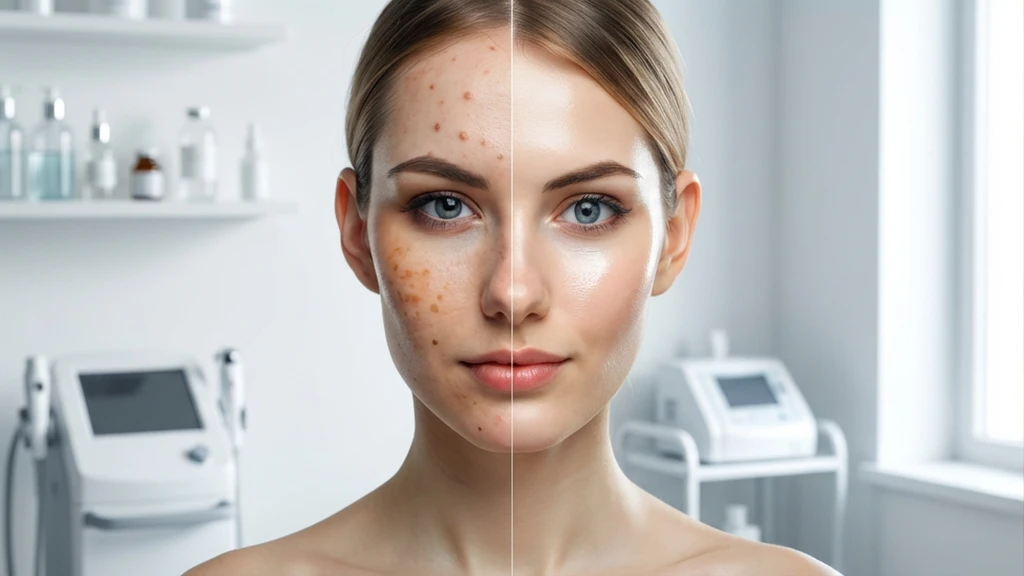
When you notice dark patches or spots appearing on your skin, it's natural to wonder what's causing them and whether they're something to worry about. Dark spots and hyperpigmentation are terms often used interchangeably, but understanding their specific causes can help you address them more effectively. These skin changes affect millions of people worldwide, regardless of age or skin type. While most cases are harmless, knowing the root causes empowers you to make informed decisions about prevention and care. Let's explore the fascinating science behind why our skin develops these pigmentation changes and what triggers them to appear.
Dark spots are localized areas where your skin produces excess melanin, creating patches that appear darker than your surrounding skin tone. Think of them as concentrated areas of pigmentation that stand out against your normal complexion. Hyperpigmentation, on the other hand, serves as an umbrella term covering all types of skin discoloration where melanin production goes into overdrive.
The key differences lie in their size, distribution, and underlying mechanisms. Dark spots typically appear as distinct, well-defined patches, while hyperpigmentation can manifest as broader areas of uneven skin tone. Both conditions stem from the same basic process: your melanocytes (pigment-producing cells) create more melanin than usual, but the triggers and patterns vary significantly.
Understanding pigmentation causes starts with knowing how your skin creates color. Melanocytes live in your skin's deepest layer and produce melanin, the pigment responsible for your skin tone. When these cells receive certain signals, they ramp up melanin production, leading to darker patches.
UV exposure acts as the most common trigger, sending your melanocytes into protective mode. Your skin essentially tries to shield itself from further damage by creating more pigment. Inflammation also plays a crucial role, as injured or irritated skin often responds by producing excess melanin during the healing process. Genetic factors determine how sensitive your melanocytes are to these triggers, explaining why some people develop dark spots more easily than others.
Sun spots causes trace back to cumulative UV exposure over time. Both UVA and UVB rays penetrate your skin, but they cause damage differently. UVA rays go deeper and contribute to long-term pigmentation changes, while UVB rays cause more immediate burning and surface damage.
Your face, hands, shoulders, and arms receive the most sun exposure, making them prime locations for age spot causes to manifest. Years of unprotected sun exposure create a "pigment bank" that eventually surfaces as visible dark spots, often appearing suddenly in your 30s, 40s, or beyond.
Melasma causes center around hormonal fluctuations that make your skin more sensitive to pigmentation triggers. Pregnancy hormones, particularly estrogen and progesterone, can activate melanocytes in specific facial patterns. Birth control pills and hormone replacement therapy create similar effects.
Thyroid disorders also influence pigmentation, as these hormones affect how your skin cells function and regenerate. Even seasonal hormonal variations can impact existing melasma, making patches darker during certain times of the year.
Post-inflammatory hyperpigmentation develops when your skin experiences trauma or irritation. Acne breakouts commonly leave dark marks behind, especially when pimples are picked or squeezed. Eczema, dermatitis, and even aggressive scrubbing can trigger this response.
Your skin's healing process involves increased blood flow and cellular activity, which can stimulate melanin production. This explains why some people notice dark spots appearing weeks after an injury or breakout has healed.
As you age, several factors contribute to uneven skin tone causes. Your skin cell turnover slows down, meaning pigmented cells stick around longer. Melanocyte function becomes less uniform, creating patches of varying pigmentation. Additionally, decades of accumulated sun damage finally become visible as your skin's repair mechanisms become less efficient.
Not all dark spots are created equal. Each type has distinct characteristics and underlying causes that influence how they develop and respond to treatment.
These flat, brown spots result from chronic sun exposure and typically appear on areas that receive the most UV radiation. They're essentially your skin's way of showing accumulated sun damage over time.
Freckle causes involve genetic predisposition combined with sun exposure. Unlike age spots, freckles often appear in childhood and may fade during winter months. They represent your skin's natural response to UV radiation when you have specific genetic variants affecting melanin distribution.
Certain medications can trigger skin discoloration causes through various mechanisms. Antimalarial drugs, some antibiotics, and chemotherapy medications may increase photosensitivity or directly affect melanin production. This type of pigmentation often requires discontinuing the triggering medication for improvement.
Understanding dark spot causes empowers you to take preventive action. Daily broad-spectrum sunscreen use remains your most powerful tool against UV-induced pigmentation. Choose formulas with at least SPF 30 and reapply every two hours when outdoors.
Gentle skincare practices help prevent post-inflammatory hyperpigmentation. Avoid picking at blemishes, use mild cleansers, and introduce new products gradually. If you're prone to hormonal pigmentation, discuss management options with your healthcare provider, especially before starting new medications or hormonal treatments.
Sun exposure represents the primary cause of dark spots, accounting for the majority of pigmentation issues. UV radiation triggers excess melanin production as your skin attempts to protect itself from damage. However, hormonal changes, inflammation, and aging also contribute significantly to dark spot formation.
Sudden brown spot appearance often results from hormonal fluctuations, new medications, or the delayed manifestation of accumulated sun damage. Pregnancy, menopause, or starting birth control can trigger rapid pigmentation changes. Sometimes, spots that were developing slowly become suddenly visible due to seasonal changes or increased sun exposure.
True overnight appearance is rare and may indicate an underlying medical condition requiring evaluation. Most dark spots develop gradually over weeks or months. However, post-inflammatory hyperpigmentation can become noticeable relatively quickly after skin trauma or irritation.
Some dark spots fade naturally over time, especially post-inflammatory hyperpigmentation, which may resolve in 6-12 months. However, sun-induced age spots and melasma typically persist without intervention. Your skin's natural cell turnover can gradually lighten some pigmentation, but the process is slow and often incomplete.
Understanding the various causes of dark spots helps you make informed decisions about prevention and care. While sun exposure remains the leading culprit, hormonal changes, inflammation, and aging all play important roles in pigmentation development. Most dark spots are harmless cosmetic concerns, but sudden changes warrant professional evaluation. Prevention through consistent sun protection and gentle skincare practices offers your best defense against unwanted pigmentation. Remember that addressing the underlying causes is just as important as treating existing spots for long-term skin health and appearance.
