


Dark Spots on Face: Your Complete FAQ Guide
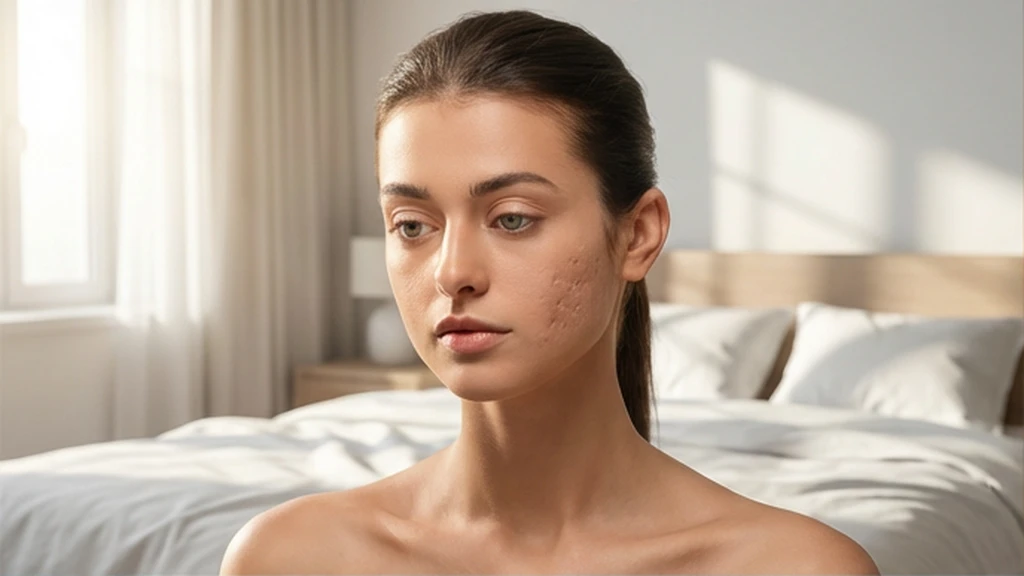
Dark spots on your face can feel overwhelming, especially when they seem to appear overnight. Whether you're dealing with stubborn sun spots, melasma, or post-acne marks, understanding what causes these facial blemishes is the first step toward achieving clearer, more even skin. The good news? You have plenty of options for treating skin discoloration, from gentle home remedies to professional hyperpigmentation treatments. Let's dive into everything you need to know about tackling those pesky dark spots and restoring your confidence.
Dark spots on your face are areas where your skin produces too much melanin, the pigment that gives your skin its color. This overproduction creates patches that appear darker than your surrounding skin, leading to an uneven skin tone that many find frustrating.
These spots typically show up on areas that get the most sun exposure. Your cheeks, forehead, nose, and upper lip are common targets. The size can range from tiny freckle-like dots to larger patches that cover significant portions of your face.
Sun spots and age spots develop from years of UV exposure. They're usually brown or black and have well-defined edges. Melasma appears as symmetrical patches, often triggered by hormonal changes during pregnancy or menopause. Post-inflammatory hyperpigmentation happens after acne, cuts, or other skin injuries heal, leaving behind dark marks as reminders.
Several factors contribute to the development of facial blemishes and skin discoloration. Understanding these causes helps you choose the most effective treatment approach and prevent new spots from forming.
Sun damage tops the list of culprits. UV rays trigger your skin's melanin production as a protective response. Over time, this leads to concentrated areas of pigment that we see as dark spots. Even brief daily sun exposure without protection can accumulate damage over the years.
Hormonal fluctuations, particularly increases in estrogen and progesterone, can trigger melasma. This explains why pregnant women often develop the "pregnancy mask" or why some people notice new spots when starting birth control or hormone replacement therapy.
When your skin heals from acne, cuts, or burns, it sometimes produces excess melanin in the affected area. This post-inflammatory hyperpigmentation can persist for months or even years without proper treatment.
Professional hyperpigmentation treatment offers the fastest and most dramatic results for stubborn dark spots. Dermatologists have access to powerful tools and ingredients that aren't available in over-the-counter products.
Laser treatments use focused light energy to break up melanin deposits in your skin. Different types of lasers target various depths and types of pigmentation. Chemical peels remove the top layers of skin, revealing fresher, more evenly toned skin underneath.
Hydroquinone remains the gold standard for skin lightening. It works by inhibiting the enzyme that produces melanin. Tretinoin speeds up cell turnover, helping dark spots fade more quickly while preventing new ones from forming.
Many people prefer starting with gentler, natural approaches to pigmentation removal. While these methods work more slowly than professional treatments, they can be effective with consistent use and patience.
Vitamin C serums provide antioxidant protection while gradually lightening existing spots. Look for stable forms like magnesium ascorbyl phosphate or sodium ascorbyl phosphate. Niacinamide helps regulate melanin transfer and can improve overall skin texture.
Aloe vera contains aloin, a compound with natural bleaching properties. Apply fresh gel directly to dark spots twice daily. Licorice root extract contains glabridin, which inhibits melanin production and can help fade existing spots over time.
The market offers countless products claiming to eliminate dark spots, but not all dark spot correctors are created equal. Look for products containing proven ingredients like kojic acid, alpha arbutin, or azelaic acid.
Start with lower concentrations to test your skin's tolerance. Apply these products only at night initially, as many can increase sun sensitivity. Always follow up with sunscreen during the day to prevent further damage.
Consistency matters more than using multiple products at once. Start with a gentle cleanser, apply your chosen treatment product, and finish with moisturizer. Add sunscreen every morning without exception.
Preventing new dark spots is often easier than treating existing ones. Daily sun protection forms the foundation of any effective prevention strategy. Use broad-spectrum SPF 30 or higher every day, regardless of weather or season.
Reapply sunscreen every two hours when outdoors, and don't forget often-missed areas like your ears, neck, and the tops of your hands. Physical sunscreens containing zinc oxide or titanium dioxide provide excellent protection without chemical absorption.
Most people notice improvements within 4-6 weeks of consistent treatment. However, complete fading can take 3-6 months for superficial spots and up to a year for deeper pigmentation. Professional treatments typically show faster results than home remedies.
Yes, natural ingredients like vitamin C, niacinamide, kojic acid, and alpha arbutin can effectively lighten dark spots over time. While they work more slowly than prescription treatments, they're gentler and suitable for sensitive skin types.
This is normal with many treatments, especially those that increase cell turnover like retinoids or chemical exfoliants. The darkening usually indicates that deeper pigment is rising to the surface before being shed away.
Avoid harsh scrubs or over-exfoliation, which can worsen pigmentation. Be cautious with lemon juice or other citrus oils, as they can cause photosensitivity. Always patch test new products and introduce them gradually.
Yes, especially if you don't maintain proper sun protection. Hormonal changes, injuries, or continued sun exposure can trigger new spots or cause treated areas to darken again. Consistent prevention is key to long-term results.
Dealing with dark spots requires patience and consistency, but clear, even skin is absolutely achievable. Whether you choose professional treatments, natural remedies, or a combination approach, the key is sticking with your routine and protecting your skin from further damage. Remember that everyone's skin responds differently, so what works for others might need adjustment for your unique needs. Start with gentle options, be consistent with sun protection, and don't hesitate to consult a dermatologist if you're not seeing the results you want.
