


Dark Spots FAQ: Everything You Need to Know
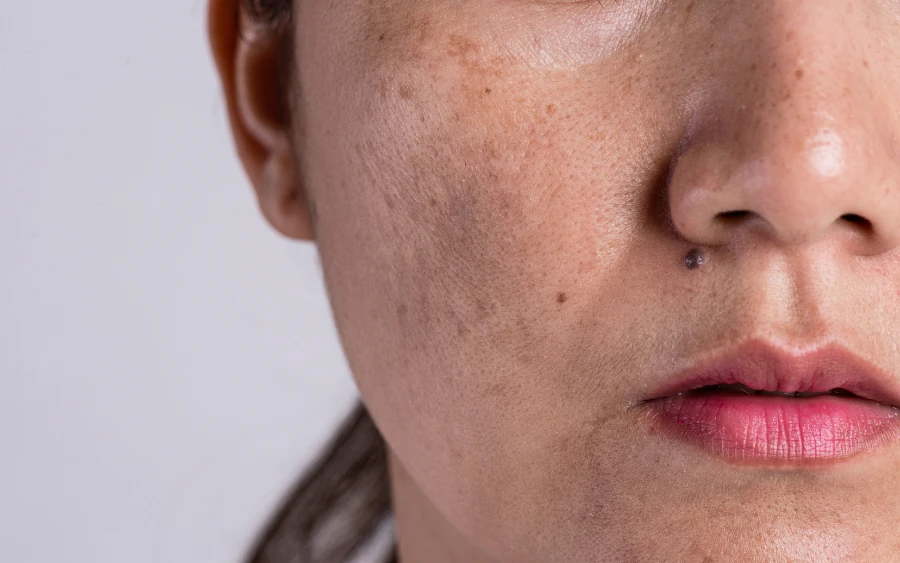
Dark spots on your skin can feel like unwelcome guests that just won't leave. Whether they appeared after a stubborn pimple, years of sun exposure, or hormonal changes, these patches of skin discoloration affect millions of people worldwide. The good news? Understanding what causes them and how to treat them effectively can help you achieve the clear, even-toned skin you're looking for. From gentle natural remedies to professional treatments, there are proven ways to address hyperpigmentation and restore your skin's natural radiance. Let's dive into everything you need to know about reducing dark spots skin concerns.
Dark spots, medically known as hyperpigmentation, occur when your skin produces too much melanin in certain areas. Think of melanin as your skin's natural protection system - it creates pigment to shield you from UV damage. Sometimes this system goes into overdrive, creating concentrated patches of color that appear darker than your surrounding skin.
There are several types of dark spots you might encounter. Age spots and sun spots develop from years of UV exposure, typically appearing on areas like your face, hands, and shoulders. Post-inflammatory hyperpigmentation happens after acne, cuts, or other skin injuries heal. Melasma creates larger, symmetrical patches often triggered by hormonal changes during pregnancy or from birth control use.
While anyone can develop dark spots, people with naturally higher melanin production tend to be more prone to uneven skin tone issues. This includes individuals with medium to darker skin tones, though fair-skinned people frequently develop sun spots and age spots from UV damage.
Understanding what triggers dark spots helps you prevent new ones from forming while treating existing ones. Sun exposure remains the biggest culprit - those UV rays signal your skin to produce extra melanin, leading to concentrated dark patches over time.
Hormonal fluctuations create another major pathway for dark spots. Pregnancy, menopause, and certain medications can trigger melasma, which appears as larger, irregular patches typically on the face. Inflammation from acne, eczema, or even aggressive skincare treatments can leave behind stubborn marks that take months to fade naturally.
Daily sunscreen use remains your best defense against new sun spot treatment needs. Choose broad-spectrum SPF 30 or higher, and reapply every two hours when outdoors. Gentle skincare routines prevent inflammation that can trigger post-acne dark spots.
When over-the-counter options aren't cutting it, professional treatments offer more powerful solutions for stubborn hyperpigmentation treatment. Dermatologists have access to prescription-strength ingredients and advanced procedures that can significantly speed up the fade dark spots process.
Hydroquinone remains the gold standard for melanin reduction, available in 2% concentrations over-the-counter or stronger prescription formulas. Tretinoin and other retinoids accelerate cell turnover, helping pigmented cells shed faster while preventing new dark spots from forming.
Chemical peels using glycolic acid, salicylic acid, or TCA can remove layers of pigmented skin, revealing fresher, more even-toned skin underneath. Laser treatments and intense pulsed light target melanin directly, breaking up pigment clusters for faster results.
Most professional treatments require multiple sessions spaced weeks apart. You might experience temporary redness, peeling, or even initial darkening before seeing improvement. Results typically become visible after 4-8 weeks of consistent treatment.
Natural skin brightening approaches offer gentler alternatives for sensitive skin or those preferring plant-based solutions. While they work more slowly than prescription treatments, many natural ingredients have solid research backing their effectiveness for pigmentation removal.
Vitamin C serums top the list of evidence-based natural treatments. This powerful antioxidant inhibits melanin production while brightening existing dark spots. Look for stable forms like magnesium ascorbyl phosphate or sodium ascorbyl phosphate for sensitive skin.
Niacinamide, also known as vitamin B3, reduces melanin transfer to skin cells while improving overall skin texture. Kojic acid, derived from fungi, gently inhibits melanin production. Alpha arbutin provides similar benefits to hydroquinone but with less irritation risk.
Turmeric masks combined with honey offer anti-inflammatory benefits that can prevent dark spots from worsening. Green tea extracts provide antioxidant protection while gently brightening skin. Always patch test natural ingredients first, as even gentle substances can cause reactions in sensitive individuals.
One of the most common questions about dark spot corrector treatments involves timing - how long will it actually take to see results? The answer depends on several factors including the depth of pigmentation, your skin type, and the treatment method you choose.
Surface-level discoloration from recent acne or minor sun damage typically responds fastest, showing improvement within 2-8 weeks of consistent treatment. Deeper, established pigmentation requires more patience - expect 3-6 months minimum for significant fading of stubborn spots.
Your skin's natural cell turnover rate influences how quickly you'll see results. Younger skin typically responds faster than mature skin. The consistency of your routine matters enormously - sporadic treatment extends timelines significantly.
Most dark spots can fade significantly with proper treatment, though complete removal depends on the depth and age of the pigmentation. Surface-level spots often disappear entirely, while deeper pigmentation may lighten substantially but leave faint traces.
Professional treatments like chemical peels, laser therapy, and prescription retinoids typically provide the fastest results. However, combining professional treatment with consistent at-home care using vitamin C and niacinamide maximizes effectiveness.
Dark spots are not necessarily permanent, but they can persist for years without treatment. With consistent use of proven ingredients and sun protection, most spots will fade over time. Professional treatments can accelerate this process significantly.
Without treatment, dark spots may take 6 months to 2 years to fade naturally, depending on their depth and your skin's turnover rate. Active treatment with proven ingredients can reduce this timeline to 2-6 months.
Yes, but introduce products gradually to avoid irritation. Start with one active ingredient, then slowly add others once your skin adjusts. Always use sunscreen when using any age spot removal treatments, as they can increase sun sensitivity.
Treated dark spots typically don't return in the same location, but new spots can develop without proper sun protection and skincare maintenance. Consistent sunscreen use and gentle skincare routines help prevent new pigmentation issues.
Successfully addressing dark spots requires understanding their underlying causes and choosing appropriate treatments for your skin type and concerns. Whether you opt for professional procedures or natural remedies, consistency and patience remain crucial for achieving lasting results. Remember that prevention through daily sun protection and gentle skincare practices helps maintain your progress and prevents new dark spots from forming. With the right approach and realistic expectations, clearer, more even-toned skin is absolutely achievable.
