


Dark Inner Thigh Stretch Marks: Your Top Questions Answered
Your Cart
0You May Also Like
If you're wondering how to treat dark stretch marks on your inner thighs, you're not alone. Dark inner thigh stretch marks can feel confusing because two things may be happening at once: skin has stretched, and the area has also become darker. This is common around the inner thighs and groin, where sweat, rubbing, and tight clothing can add irritation. It can also be more noticeable on melanin-rich skin, including Indian skin, because irritation may leave darker marks behind. The aim is not to bleach your skin. It is to reduce irritation, support your skin barrier, and fade excess pigment with steady care. Asaya's body-focused pigmentation care is designed with these concerns in mind.
Dark stretch marks can follow skin stretching, friction, sweat, and hormonal pigment changes.
Gentle exfoliation, moisturising, and pigment-care actives may help uneven skin tone over time.
For stubborn marks or rapid changes, a dermatologist can guide safer treatment options.
Stretch marks form when skin stretches quickly. Growth, weight changes, hormones, and muscle growth can all play a part. You can get them without weight gain too. On melanin-rich skin, the inner thigh area is especially prone to darkening because friction, sweat, and hormonal shifts can all trigger excess melanin production at the site of a stretch mark. Understanding what is driving the darkness helps you choose the right care approach.
On melanin-rich skin, irritation at the mark can lead to extra melanin. That can make the stretch marks look darker than nearby skin.
Newer stretch marks may look red, purple, or dark. These are often called striae rubrae. Older marks may look pale or white and are called striae albae. Mature white marks and newer dark marks do not look or respond in the same way, so early care may be useful.
The inner thigh and groin area face regular friction and occlusion. Sweat can stay trapped there too. Hormonal pigmentation and post-inflammatory pigmentation can add to the dark tone around stretch marks.
If you are asking, 'How to treat dark stretch marks on my inner thighs,' start with a gentle routine. Avoid scrubbing, harsh rubbing, or products that sting. More irritation can mean more darkening.
Topical options used for pigmentation care include niacinamide, AHAs, vitamin C, and retinoids. Retinoids need extra care and may not suit every person or situation. A dermatologist can help with prescription choices.
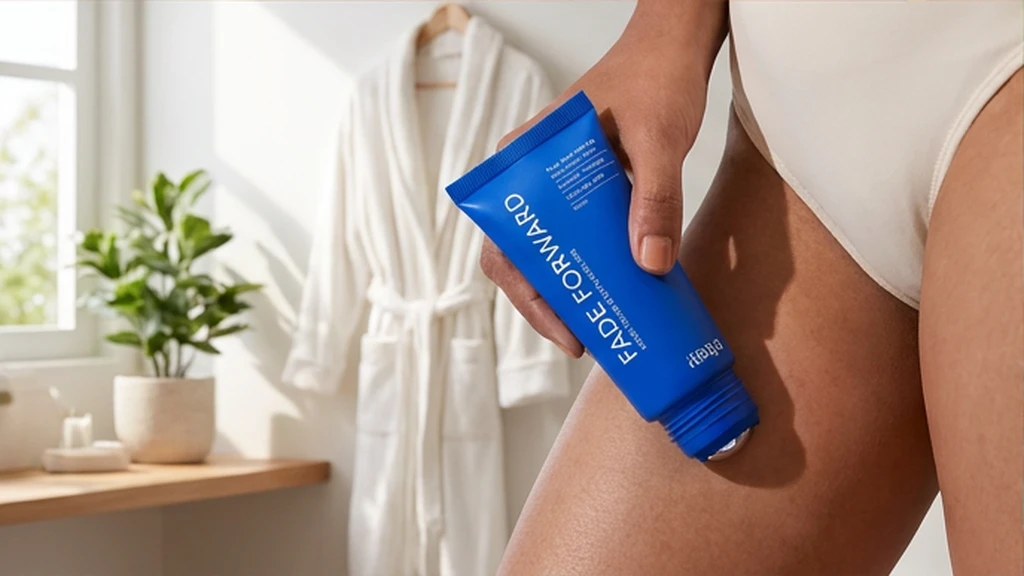
Gentle exfoliation can help lift dull surface buildup. It should not leave the area sore or dry. Follow with a moisturiser to support the skin barrier and reduce friction. The Asaya Fade Forward Inner Thigh & Bum Roll-On combines a 10% AHA + PHA blend with MelaMe™ Complex and inulin in a leave-on roll-on format.
Coconut, almond, and castor oils may help skin feel softer by adding moisture. They are not proven stretch mark removal methods. Use them only if they do not cause irritation, and do not rely on them alone for hyperpigmentation inner thighs.
A dermatologist may discuss prescription topicals, fractional laser treatments, light-based treatments, or radiofrequency. These are options, not guarantees. They may improve colour or texture, but they do not promise full stretch mark removal.
These approaches may offer partial improvement in colour or texture. Results depend on the marks, skin tone, method, and aftercare. This is why a personal assessment matters.
Skin lightening inner thighs should mean fading excess pigment, not changing your natural skin tone. Focus on dark spots caused by friction, sweat, irritation, or stretch-mark pigmentation.
Avoid products that burn, peel aggressively, or cause ongoing redness. For delicate areas, gentle and targeted use matters. The Asaya Fade & Fresh Duo — a body pigmentation pair — pairs the Fade Forward Roll-On with an Even Tone Underarm Mist for body areas affected by uneven skin tone.
Skincare for Indian skin needs a careful approach to irritation. Strong acids and some laser treatments can raise the risk of post-inflammatory hyperpigmentation when skin becomes inflamed.
Patch test new products first. Use only as directed. Stop if you get burning, rash, or persistent discomfort. This matters for any pigmentation treatment, especially near the groin border.
Dark spots take time to form, so they take time to fade. Consistency matters more than using many products at once.
Cleanse the area gently and pat it dry.
Apply a targeted leave-on product as directed.
Use moisturiser if dryness or friction is an issue.
Choose breathable clothing when possible.
Pause strong actives if the skin feels irritated.
If you're also treating acne marks on your face, keep body and face products separate. The Asaya Advanced Spot Targeting Serum and Even Evermore Creme are made for facial dark spots, acne marks, and uneven tone.
See a dermatologist if darkening spreads quickly, feels itchy or painful, or comes with other hormonal signs. Also seek advice if consistent home care does not help or if you are unsure whether a product is safe for the area.
A professional can assess the cause without guessing. They can also help choose options that lower the risk of more pigmentation.
Rapid skin stretching can trigger stretch marks. Irritation at the site can also lead to extra melanin, making marks look darker than surrounding skin.
Moisturising oils and gentle exfoliants can soften skin, but they are not proven to remove stretch marks. A targeted product such as Asaya Fade Forward Inner Thigh & Bum Roll-On may fit a routine for friction-related darkening.
Laser, light, and radiofrequency treatments may provide partial improvement in colour or texture. They do not guarantee complete removal. A dermatologist should guide treatment for melanin-rich skin.
Friction, sweat, hormonal pigmentation, and post-inflammatory pigmentation can all overlap in this area. Dark stretch marks can add to the uneven tone.
Dark inner thigh marks are common, and they do not mean you have done anything wrong. Keep care gentle and consistent, and get medical advice for changes that concern you.
Asaya's MelaMe™ Complex is an advanced, melanin-first complex designed to visibly treat discolouration and restore pigment balance within two weeks of regular use. It works by helping break down excess melanin deposits into re-absorbable amino acids while helping inhibit excess melanin production. In Asaya's pigmentation range, this supports care for existing dark spots and uneven tone.
