


Body Pigmentation for Gen Z FAQ: Causes and Solutions
Your Cart
0You May Also Like
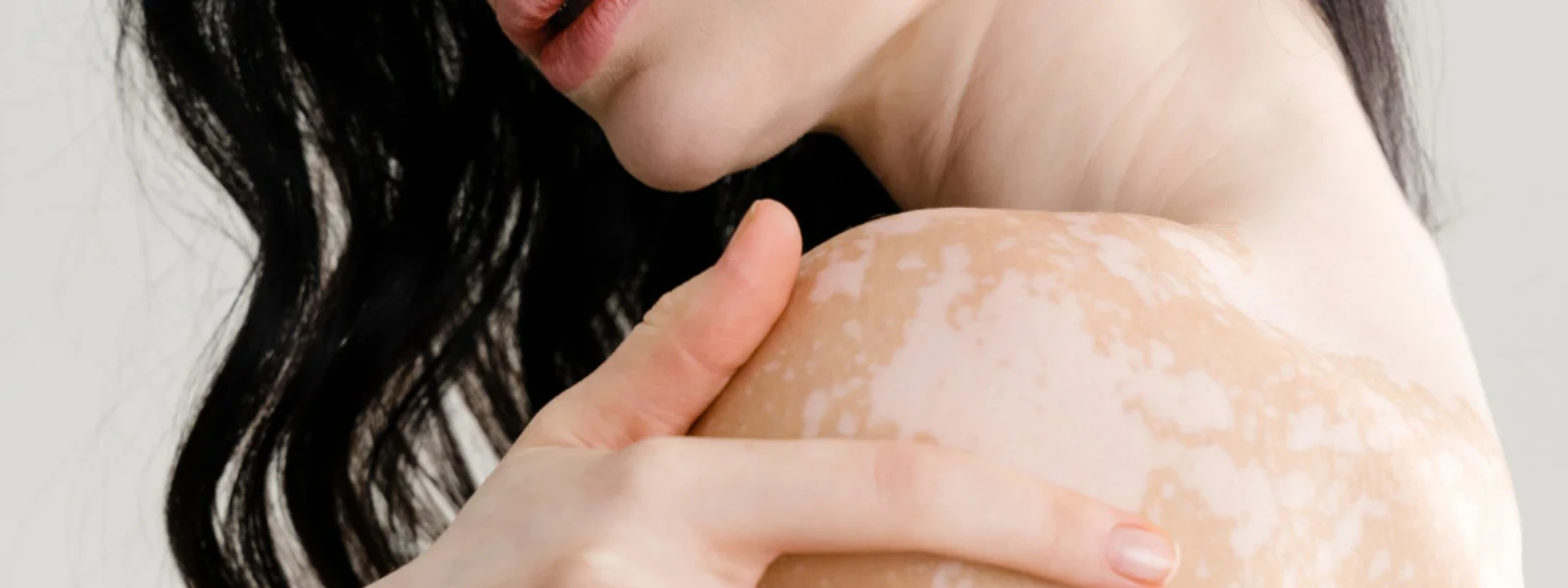
Body pigmentation has become a growing concern for Gen Z, with many young adults noticing dark spots on skin and uneven skin tone appearing earlier than previous generations. This generation faces unique challenges that contribute to body hyperpigmentation, from increased screen time and social media pressure to lifestyle factors that previous generations didn't experience. Understanding the root causes and effective solutions can help young adults take control of their skin health and build confidence in their appearance.
Body pigmentation occurs when melanin, the pigment that gives skin its color, becomes unevenly distributed across the skin. This leads to patches of darker or lighter skin that can appear anywhere on the body. Hyperpigmentation treatment focuses on addressing these imbalances and restoring even skin tone.
Several types of pigmentation on body commonly affect young adults. Post-inflammatory hyperpigmentation develops after acne, cuts, or other skin injuries heal. Melasma appears as brown patches, often triggered by hormonal changes. Sun spots result from UV exposure and typically show up on areas frequently exposed to sunlight like shoulders, chest, and arms.
This generation experiences earlier onset of skin concerns due to lifestyle factors. Increased stress levels, irregular sleep patterns, and constant exposure to blue light from devices all contribute to skin inflammation and subsequent pigmentation issues.
Understanding the specific causes of hyperpigmentation helps young adults make informed decisions about prevention and treatment. These factors often work together, creating a perfect storm for skin discoloration.
Despite growing awareness about sun protection, many Gen Z individuals still experience significant UV damage. Outdoor activities, sports, and beach trips without proper sunscreen application lead to accelerated melanin production and permanent dark spots.
Hormonal fluctuations during teenage years and early twenties trigger increased melanin production. Birth control pills, pregnancy, and natural hormonal cycles can all contribute to body pigmentation development.
Viral skincare trends often promote harsh treatments and over-exfoliation. These aggressive approaches damage the skin barrier, leading to inflammation and subsequent pigmentation issues across the body.
High stress levels, poor sleep quality, and processed diets create internal inflammation that manifests as skin problems. This generation faces unprecedented stress from academic pressure, social media comparison, and economic uncertainty.
Body skin differs significantly from facial skin in thickness, oil production, and healing patterns. These differences affect how body hyperpigmentation develops and responds to treatment. Understanding these distinctions helps young adults choose appropriate care strategies.
Body skin is typically thicker and less sensitive than facial skin, which means it can tolerate stronger treatments but may take longer to show results. Common areas affected include the chest, back, shoulders, and arms where clothing friction and sun exposure create ideal conditions for pigmentation development.
The larger surface area of body skin requires different application techniques and product formulations. Treatments need to be cost-effective and easy to apply across broad areas while remaining gentle enough for daily use.
Effective treating skin pigmentation requires a multi-faceted approach combining professional treatments with consistent home care. Young adults benefit from understanding both immediate and long-term treatment options.
Dermatological treatments like chemical peels, laser therapy, and IPL (Intense Pulsed Light) offer faster results for stubborn pigmentation. These treatments work by removing damaged skin layers and stimulating healthy cell turnover.
Accessible skin discoloration remedies include products containing vitamin C, niacinamide, kojic acid, and alpha arbutin. These ingredients work gradually to inhibit melanin production and promote even skin tone when used consistently.
Young skin often responds well to gentler treatments like regular exfoliation with AHA/BHA products, consistent moisturizing, and protective measures. These approaches take longer but minimize the risk of irritation and additional pigmentation.
Prevention remains the most effective approach to managing body pigmentation. Skin pigmentation solutions work best when combined with lifestyle modifications that address the root causes affecting this generation.
Daily sunscreen application on exposed body areas provides the foundation for prevention. Young adults should choose broad-spectrum SPF 30 or higher and reapply every two hours during outdoor activities. This simple step prevents the majority of new pigmentation from developing.
Stress management through regular exercise, adequate sleep, and mindfulness practices helps reduce internal inflammation. A balanced diet rich in antioxidants supports skin health from within, while staying hydrated maintains optimal skin barrier function.
Avoiding harsh scrubbing, picking at acne, and following unverified social media skincare advice prevents trauma-induced pigmentation. Gentle, consistent care produces better long-term results than aggressive treatments.
While many pigmentation concerns can be managed at home, certain situations require professional intervention. Recognizing these red flags helps young adults seek appropriate care before problems worsen.
Sudden appearance of new dark spots, rapidly changing pigmentation, or spots that don't respond to consistent treatment warrant dermatological evaluation. Additionally, if pigmentation significantly impacts self-esteem or daily life, professional guidance can provide faster, more effective solutions.
Sun exposure combined with hormonal changes during puberty and early adulthood creates the primary conditions for body pigmentation in Gen Z. Lifestyle factors like stress and poor skincare habits accelerate this process.
Body hyperpigmentation often begins during teenage years (13-19) when hormonal changes peak. However, many people notice significant changes in their early twenties as cumulative sun damage becomes visible.
While existing pigmentation can be significantly reduced or eliminated with proper treatment, prevention remains crucial since new pigmentation can develop with continued sun exposure and hormonal changes.
Most people see initial improvements in 4-6 weeks with consistent treatment. Significant results typically appear after 3-6 months, depending on the severity of pigmentation and treatment method used.
Yes, body skin is thicker and less sensitive than facial skin, requiring different treatment approaches. Body pigmentation often takes longer to treat but can tolerate stronger active ingredients.
Combination approaches work best, including daily sunscreen, products with vitamin C or niacinamide, regular gentle exfoliation, and professional treatments for stubborn areas.
Body pigmentation affects Gen Z differently than previous generations due to unique lifestyle and environmental factors. Understanding the specific causes helps young adults make informed decisions about prevention and treatment. While professional treatments offer faster results, consistent home care with proven ingredients provides sustainable improvement. The key lies in starting early with prevention, being patient with treatment timelines, and seeking professional help when needed. Remember that healthy skin is a long-term investment that requires consistent care and realistic expectations.
