


Arbutin 101: Everything About Skin Brightening
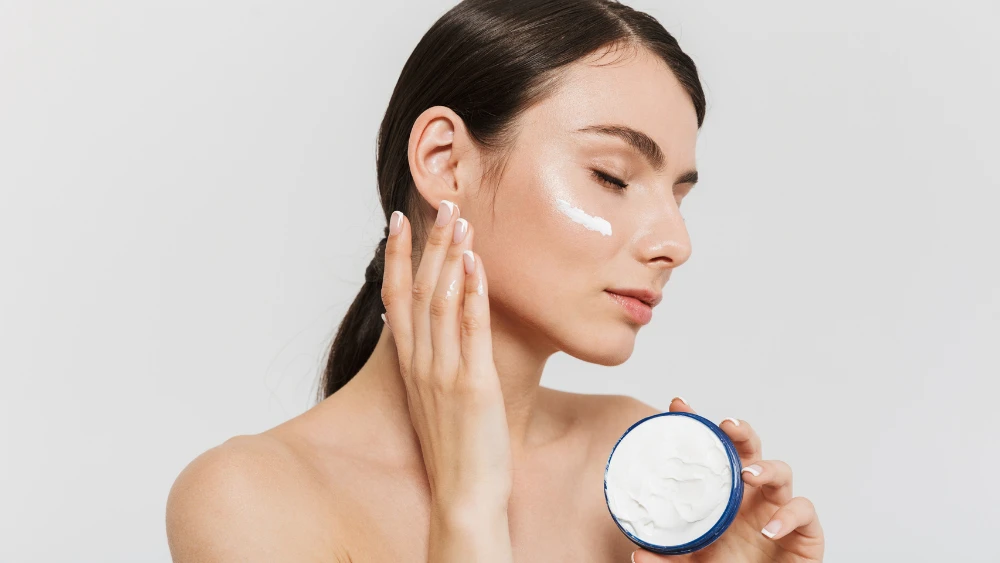
Have you ever wondered why some people seem to have that natural, even glow while others struggle with dark spots and uneven skin tone? The answer might lie in a gentle yet powerful ingredient called arbutin. This natural compound has been quietly revolutionizing the skincare world, offering hope to those dealing with hyperpigmentation without the harsh side effects of traditional treatments. Whether you're battling age spots, melasma, or post-acne marks, understanding the skin benefits of arbutin could be the key to unlocking your most radiant complexion yet. Let's dive into everything you need to know about this remarkable natural skin brightener.
Arbutin is a naturally occurring compound found in plants like bearberry, pear, and pomegranate. Think of it as nature's gentle answer to skin brightening. Unlike harsh chemicals that can irritate sensitive skin, arbutin works by inhibiting tyrosinase, the enzyme responsible for melanin production. There are two main types you'll encounter: alpha arbutin and beta arbutin. Alpha arbutin is the more stable and potent form, making it the preferred choice for skincare formulations. When applied to your skin, arbutin doesn't bleach or damage your skin cells. Instead, it gently slows down the production of excess melanin, allowing your natural skin tone to shine through.
The magic happens at the cellular level. Arbutin releases hydroquinone slowly and steadily, providing consistent results without the irritation. This controlled release makes it perfect for daily use, even on sensitive skin types.
The arbutin skin benefits extend far beyond simple brightening. This powerhouse ingredient offers multiple advantages that make it a must-have in any skincare routine focused on achieving an even complexion. Arbutin for hyperpigmentation works exceptionally well because it targets the root cause of dark spots. Here's what you can expect: • Fades existing dark spots: Whether from sun damage or acne scars, arbutin gradually lightens these areas • Prevents new pigmentation: Regular use helps stop future dark spots from forming • Evens overall skin tone: Creates a more uniform complexion across your entire face • Provides antioxidant protection: Shields your skin from environmental damage • Boosts natural radiance: Reveals brighter, more luminous skin underneath • Reduces melasma appearance: Particularly effective for hormone-related pigmentation • Minimizes post-inflammatory marks: Helps heal the dark spots left behind by breakouts
Patience is key when using arbutin. Most people start seeing improvements around the 4-6 week mark, with significant changes becoming apparent after 8-12 weeks of consistent use. Your skin type and the severity of pigmentation will influence how quickly you see results.
When it comes to arbutin skin lightening, alpha arbutin stands out as the gold standard. This refined form offers enhanced stability and better penetration into your skin layers. Clinical studies show that alpha arbutin is up to 10 times more effective than its beta counterpart. The alpha arbutin benefits include faster visible results and better long-term stability in skincare formulations. Unlike beta arbutin, which can break down over time, alpha arbutin maintains its potency, ensuring you get consistent results with every application.
Skincare professionals often recommend alpha arbutin because it delivers professional-grade results without requiring a prescription. Its gentle nature makes it suitable for all skin types, including those with rosacea or eczema.
The debate between arbutin vs hydroquinone often comes down to safety and tolerance. While hydroquinone is undeniably effective, it comes with significant risks including skin irritation, rebound hyperpigmentation, and potential long-term health concerns. Arbutin offers a safer pathway to brighter skin. It provides similar results to hydroquinone but with a much gentler approach. You can use arbutin long-term without worrying about the side effects that make hydroquinone unsuitable for extended use.
Arbutin is considered safe for pregnant and breastfeeding women, unlike hydroquinone which is typically avoided during these times. This makes arbutin an excellent choice for anyone seeking effective brightening without compromising safety.
Using an arbutin serum correctly can make the difference between mediocre and amazing results. Start with clean, dry skin and apply a few drops of serum to the areas you want to treat. The ideal concentration ranges from 1-2% for daily use. For best results, apply your arbutin serum in the evening after cleansing but before heavier moisturizers. This allows the active ingredient to penetrate effectively without interference from other products.
Arbutin plays well with many other skincare ingredients. Vitamin C and arbutin make an excellent daytime duo, while niacinamide can enhance arbutin's brightening effects. Avoid mixing arbutin with strong acids or retinoids initially to prevent irritation.
While arbutin side effects are rare, it's important to know what to watch for. Some people may experience mild irritation, especially when first starting treatment. Always perform a patch test before using any new arbutin product. The most common side effects include slight redness or dryness, which typically resolve as your skin adjusts. If you experience persistent irritation, reduce the frequency of use or try a lower concentration.
While arbutin doesn't make your skin photosensitive like some other brightening ingredients, using sunscreen remains crucial. Protecting your skin from UV damage prevents new dark spots from forming while your current ones fade.
Most people see initial improvements in 4-6 weeks, with significant results appearing after 8-12 weeks of consistent use. Patience and consistency are key to achieving the best results.
Yes, arbutin and vitamin C work beautifully together. Use vitamin C in the morning and arbutin in the evening, or look for products that combine both ingredients.
Arbutin is generally considered safe during pregnancy and breastfeeding, unlike hydroquinone. However, always consult with your healthcare provider before starting any new skincare routine.
Alpha arbutin is more stable and potent than beta arbutin. It penetrates skin better and provides faster, more consistent results.
Yes, arbutin is particularly effective for post-inflammatory hyperpigmentation, the dark marks left behind after acne heals.
Start with once daily application, preferably in the evening. You can gradually increase to twice daily if your skin tolerates it well.
Arbutin represents a breakthrough in safe, effective skin brightening. Its gentle yet powerful approach to treating hyperpigmentation makes it suitable for virtually everyone seeking a more even complexion. Whether you're dealing with age spots, melasma, or post-acne marks, incorporating arbutin into your routine could be the game-changer you've been looking for. Remember that consistency is crucial, and combining arbutin with proper sun protection will maximize your results while preventing future pigmentation issues.
