


A Step-by-Step Guide to Managing Melasma in Summer
Your Cart
0You May Also Like
Summer brings longer days, beach vacations, and outdoor adventures, but for those dealing with melasma, it can feel like navigating a minefield. The combination of intense UV rays, heat, and humidity creates the perfect storm for triggering those stubborn dark patches that seem to appear overnight. If you've noticed your melasma getting worse during the warmer months, you're not alone. Understanding how to protect your skin while still enjoying summer activities is crucial for maintaining clear, even-toned skin year-round. This comprehensive guide to melasma in summer will walk you through proven strategies to keep your skin protected and your confidence intact.
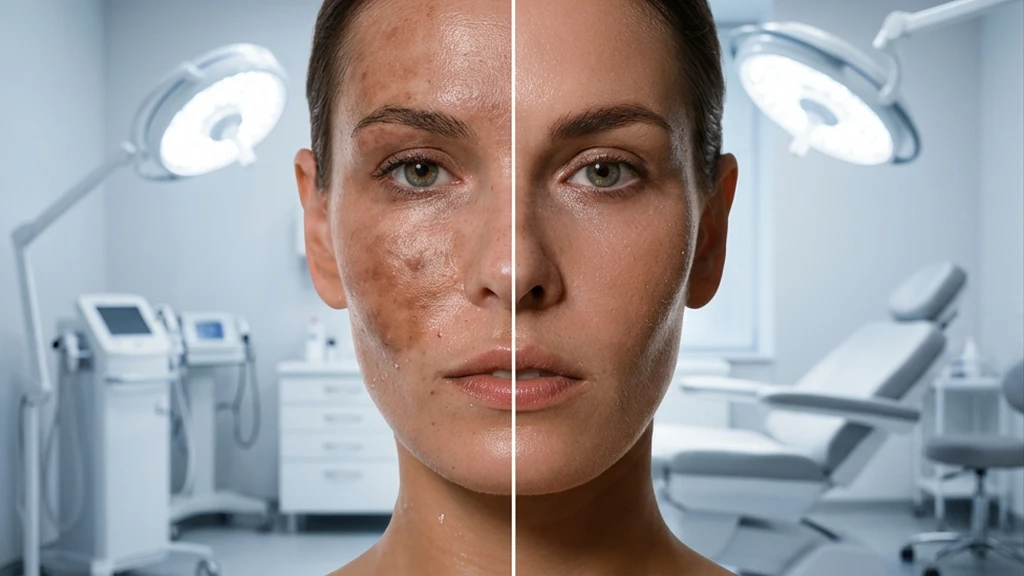
Melasma is more than just another form of hyperpigmentation. It's a complex skin condition that affects millions of people, particularly women between the ages of 20-40. Unlike age spots or sun damage, melasma creates symmetrical patches of brown or gray discoloration, typically on the face, forehead, and cheeks.
During summer months, melasma triggers summer become more active due to increased UV exposure and environmental factors. Research shows that up to 90% of melasma cases worsen during peak summer months. The condition primarily affects the cheeks, bridge of the nose, forehead, and upper lip area, creating a mask-like appearance that can significantly impact self-confidence.
UV radiation penetrates deep into the skin, stimulating melanocytes to produce excess melanin. But it's not just direct sunlight that's problematic. Hyperpigmentation during summer can worsen due to visible light exposure from windows and electronic devices. Heat-induced inflammation also plays a crucial role, as elevated temperatures can trigger inflammatory responses that stimulate pigment production. Even hormonal fluctuations tend to be more pronounced during summer months due to changes in sleep patterns and increased stress from heat exposure.
Women are nine times more likely to develop melasma than men, with pregnancy and hormonal contraceptives being major contributing factors. During summer, these risk factors become amplified. Genetic predisposition combined with increased sun exposure creates a perfect storm for melasma development. Certain medications, including some antibiotics and anti-seizure drugs, can increase photosensitivity, making summer particularly challenging for those taking these treatments.
Effective sun protection melasma management requires a multi-layered approach that goes beyond simply applying sunscreen. The goal is to create a comprehensive barrier against all forms of light and heat that can trigger pigmentation.
Choose a broad-spectrum sunscreen with at least SPF 30, though SPF 50 is preferable for melasma-prone skin. Mineral sunscreens containing zinc oxide and titanium dioxide are often better tolerated and provide immediate protection upon application. Tinted sunscreens offer additional protection against visible light, which can penetrate through regular sunscreen and trigger melasma. Apply sunscreen 15-30 minutes before sun exposure and reapply every two hours, or immediately after swimming or sweating.
Wide-brimmed hats with at least a 4-inch brim provide crucial facial protection, reducing UV exposure by up to 50%. Look for tightly woven fabrics or hats specifically designed with UPF (Ultraviolet Protection Factor) ratings. UV-protective clothing with UPF 30+ should cover arms and shoulders. Wraparound sunglasses with 100% UV protection shield the delicate eye area where melasma commonly appears.
Avoid outdoor activities between 10 AM and 4 PM when UV rays are strongest. Even on cloudy days, up to 80% of UV rays can penetrate clouds, so protection remains essential. Indoor environments aren't safe either – windows allow visible light through, and fluorescent lighting can trigger melasma in sensitive individuals. When traveling, research your destination's UV index and altitude, as higher elevations increase UV exposure significantly.
A strategic summer skincare for melasma routine focuses on protection during the day and repair at night. The key is consistency and using products that work synergistically to address pigmentation while maintaining skin barrier function.
Start with a gentle, non-irritating cleanser that won't strip the skin's natural barrier. Apply an antioxidant serum containing vitamin C, niacinamide, or kojic acid to neutralize free radicals and prevent new pigmentation. Follow with a lightweight, non-comedogenic moisturizer that won't feel heavy in summer heat. Finish with broad-spectrum sunscreen as your final step, ensuring even coverage on all exposed areas.
Double cleanse to remove sunscreen, sweat, and environmental pollutants accumulated during the day. This is when you can incorporate active ingredients for melasma treatment summer protocols. Rotate between hydroquinone (the gold standard for melasma), tretinoin for cell turnover, and kojic acid for gentle lightening. Always follow with a hydrating serum and barrier-repair moisturizer to prevent irritation and maintain skin health.
Hydroquinone remains the most effective topical treatment for melasma, but it should be used under professional guidance. Niacinamide offers anti-inflammatory benefits while reducing pigmentation, making it ideal for summer use. Vitamin C provides antioxidant protection during the day, while kojic acid offers gentle lightening properties. Natural alternatives like arbutin and licorice root extract can be effective for those with sensitive skin or seeking gentler options.
Beyond topical treatments, managing melasma in heat requires thoughtful lifestyle adjustments that minimize triggers while maintaining quality of life during summer months.
Avoid hot environments like saunas, steam rooms, and hot yoga classes, as heat can trigger inflammatory responses that worsen melasma. After exercising, cool down gradually with lukewarm water rather than hot showers. Maintain comfortable indoor temperatures with air conditioning when possible, and use fans to promote air circulation. When cooking, use exhaust fans and avoid standing directly over hot stoves or ovens for extended periods.
Schedule outdoor workouts for early morning or evening hours when UV levels are lower. Choose shaded areas like covered pavilions or tree-lined paths for outdoor activities. Indoor alternatives like swimming in covered pools, mall walking, or gym workouts can help maintain fitness without sun exposure. Stay well-hydrated before, during, and after exercise to support skin barrier function and prevent heat-related stress.
Research your destination's UV index and plan activities accordingly. Pack extra sunscreen, protective clothing, and backup skincare products. Consider altitude and latitude when planning – tropical destinations and high-altitude locations require extra precautions. Prepare an emergency kit with soothing ingredients like aloe vera and anti-inflammatory treatments in case of unexpected flare-ups.
While summer isn't ideal for aggressive treatments, certain professional interventions can be safely performed with proper precautions and post-treatment care.
Light chemical peels using glycolic or lactic acid can be performed during summer with strict sun avoidance protocols. LED light therapy offers anti-inflammatory benefits without increasing photosensitivity. Microneedling with growth factors can stimulate skin renewal while being less aggressive than laser treatments. These treatments should always be followed by intensive sun protection and may require temporary activity modifications.
Plan intensive treatments for late fall or winter when sun exposure is naturally reduced. Use summer months for maintenance treatments and preparation protocols. Schedule professional consultations early in the season to develop a comprehensive treatment plan. Consider starting treatments in late summer to prepare for more aggressive interventions in fall and winter.
Combine professional treatments with consistent at-home care for optimal results. Multi-modal approaches using topical treatments, professional procedures, and lifestyle modifications show the best outcomes. Regular progress monitoring allows for treatment adjustments based on seasonal changes and skin response. Set realistic expectations – melasma improvement is gradual and requires long-term commitment.
Successful melasma management requires consistent monitoring and adaptation of your routine based on seasonal changes and treatment response. Preventing melasma flare-ups becomes easier when you understand your skin's patterns and triggers.
Take consistent photos in the same lighting conditions weekly to document changes. Keep a detailed journal noting products used, sun exposure, hormonal changes, and stress levels. Schedule regular dermatologist appointments to assess progress and adjust treatments. Use smartphone apps or simple charts to track daily sun protection habits and skin reactions.
Create daily checklists that include sunscreen application, protective clothing, and evening skincare routines. Involve family members in sun protection practices to create supportive environments. Research budget-friendly protection options like generic sunscreens and DIY protective accessories. Develop year-round maintenance plans that adapt to seasonal changes while maintaining consistent protection.
The most effective approach combines broad-spectrum SPF 30+ sunscreen, physical protection like wide-brimmed hats, avoiding peak UV hours (10 AM-4 PM), and using antioxidant serums. Consistency is key – even one day of inadequate protection can trigger a flare-up that takes weeks to resolve.
Yes, heat can trigger inflammatory responses that stimulate melanin production. This includes hot showers, saunas, steam rooms, and even cooking over hot stoves. Maintaining cool environments and avoiding excessive heat exposure is crucial for managing melasma in heat.
Focus on gentle cleansing, antioxidant protection, consistent sunscreen use, and evening repair treatments. Avoid harsh scrubs or irritating products that can worsen inflammation. Stay hydrated and maintain a consistent routine even when traveling or changing schedules.
With consistent protection, you should notice prevention of new dark spots in summer within 2-4 weeks. Existing melasma typically takes 3-6 months to show significant lightening, and complete resolution can take 6-12 months or longer depending on severity and consistency of treatment.
Absolutely! With proper protection including sunscreen, protective clothing, and timing activities for early morning or evening hours, you can maintain an active outdoor lifestyle. The key is preparation and never compromising on protection measures.
Consult a dermatologist immediately to rule out other conditions and adjust your treatment plan. Sometimes hormonal changes, new medications, or hidden sources of UV exposure can trigger flare-ups despite good protection habits.
Managing melasma during summer requires a comprehensive approach that goes beyond basic sun protection. The combination of consistent sunscreen use, physical protection, lifestyle modifications, and appropriate skincare treatments creates the foundation for successful melasma management. Remember that melasma is a chronic condition that requires long-term commitment and patience. Small daily actions – like applying sunscreen every morning and avoiding peak UV hours – compound over time to create significant improvements. While summer presents unique challenges for melasma-prone skin, with the right strategies and consistent application, you can protect your skin while still enjoying all that the season has to offer. The investment in proper protection today prevents more extensive treatment needs tomorrow, making summer melasma management both a protective and proactive approach to long-term skin health.
