


9 Dermatologist-Approved Natural Alternatives to Ceramides for Dark Spots
Your Cart
0You May Also Like
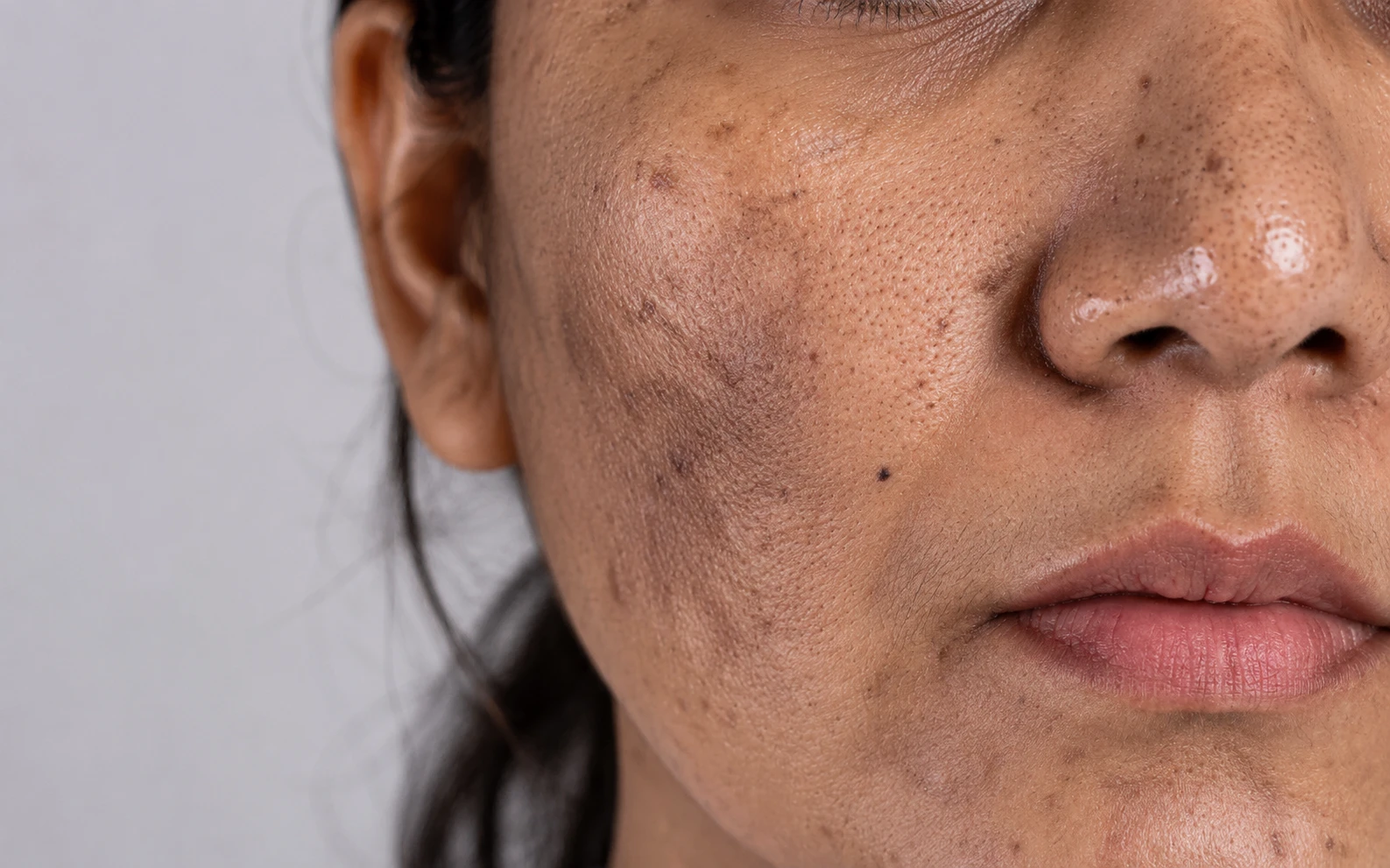
While ceramides are excellent for strengthening your skin barrier, they're not actually designed to tackle dark spots or hyperpigmentation. If you've been wondering why your ceramide-rich moisturizer isn't fading those stubborn acne marks or melasma patches, you're not alone. The truth is, treating hyperpigmentation requires ingredients that can either slow down melanin production or help your skin clear existing pigment deposits. Fortunately, dermatologists have identified several natural alternatives that are specifically formulated to address uneven skin tone and dark spots. At Asaya, we've seen how these science-backed ingredients can make a real difference for melanin-rich skin when used correctly and consistently.
Ceramides repair your skin barrier but don't directly treat dark spots—you need melanin-targeting ingredients instead
Nine dermatologist-approved natural alternatives like vitamin C, kojic acid, and niacinamide can effectively fade hyperpigmentation
Most people see visible improvement in 4-8 weeks with consistent use, though deeper spots may take 3-4 months
Ceramides are lipid molecules that help maintain your skin's protective barrier and lock in moisture. They're incredibly effective at preventing water loss and keeping irritants out, which is why you'll find them in almost every good moisturizer. However, they don't have any direct impact on melanin production or the processes that create dark spots.
Dark spots form when your skin produces excess melanin in response to inflammation, sun damage, or hormonal changes. To fade these spots, you need ingredients that can either inhibit tyrosinase (the enzyme that makes melanin) or help your skin break down existing melanin deposits. That's where these nine natural alternatives come in.
Vitamin C is probably the most researched natural ingredient for hyperpigmentation. It works by inhibiting tyrosinase, the enzyme responsible for melanin production, while also providing antioxidant protection against future damage. Clinical studies show that 10-20% vitamin C can reduce dark spots by up to 40% in 12 weeks.
The most potent form is L-ascorbic acid, but it can be irritating for sensitive skin. Gentler derivatives like magnesium ascorbyl phosphate or sodium ascorbyl phosphate offer similar benefits with less irritation. Apply vitamin C in the morning under sunscreen for best results.
Derived from fermented rice and certain mushrooms, kojic acid is a natural tyrosinase inhibitor that's particularly effective for melasma and post-inflammatory hyperpigmentation. Dermatologists often recommend it as a gentler alternative to hydroquinone, especially for long-term use.
Studies show that 1-4% kojic acid can significantly reduce dark spots in 8-12 weeks. It's generally well-tolerated, though some people may experience mild irritation initially. Start with lower concentrations and gradually increase as your skin adapts.
Extracted from bearberry plants, alpha arbutin is a stable, natural alternative to hydroquinone. It works by slowly releasing hydroquinone in the skin, providing melanin-inhibiting benefits without the harsh side effects. Clinical trials show that 2% alpha arbutin can reduce hyperpigmentation by 60% in 12 weeks.
Unlike beta arbutin, alpha arbutin is more stable and effective. It's particularly good for people with sensitive skin who can't tolerate stronger actives. You can use it twice daily and it pairs well with other brightening ingredients.
Licorice root contains glabridin, which has both anti-inflammatory and melanin-inhibiting properties. This makes it especially effective for post-inflammatory hyperpigmentation from acne or other skin irritation. Research shows that 0.5% glabridin can reduce dark spots while also calming inflamed skin.
What makes licorice root particularly valuable is its dual action—it prevents new dark spots from forming while helping existing ones fade. It's also one of the gentlest options on this list, making it suitable for daily use even on sensitive skin.
Niacinamide works differently from other brightening ingredients. Instead of stopping melanin production, it prevents melanin from transferring to the upper layers of your skin where it becomes visible as dark spots. Studies show that 5% niacinamide can reduce hyperpigmentation by 35-68% in 8 weeks.
The bonus with niacinamide is that it also strengthens your skin barrier (like ceramides do) while treating dark spots. It's extremely well-tolerated and can be used morning and night. It also plays well with almost every other active ingredient.
Originally derived from grains like wheat and barley, azelaic acid offers gentle exfoliation while inhibiting tyrosinase. It's particularly effective for melasma and is safe to use during pregnancy, unlike many other brightening ingredients. Clinical studies show that 10-20% azelaic acid can significantly improve hyperpigmentation in 12-16 weeks.
Azelaic acid also has anti-inflammatory properties, making it excellent for people who deal with both acne and dark spots. Over-the-counter formulations typically contain 10% azelaic acid, while prescription versions can go up to 20%.
This alpha hydroxy acid, naturally found in sugar cane, works by accelerating cell turnover to help fade dark spots faster. While it doesn't directly inhibit melanin production, it helps remove the pigmented cells more quickly. Studies show that 10-20% glycolic acid can improve hyperpigmentation in 6-12 weeks.
Start with lower concentrations (5-10%) and use only in the evening, as glycolic acid increases sun sensitivity. Always follow with a broad-spectrum sunscreen during the day. It pairs well with vitamin C but should be used at different times to avoid irritation.
Originally used to reduce bleeding, tranexamic acid has emerged as a powerful ingredient for melasma and stubborn hyperpigmentation. It works by blocking plasmin, an enzyme that can trigger melanin production. Recent studies show that 3-5% tranexamic acid can reduce melasma by up to 50% in 12 weeks.
Dermatologists are increasingly recommending tranexamic acid for cases where other ingredients haven't worked. It's particularly effective when combined with other brightening agents and is generally well-tolerated by most skin types.
Extracted from the babchi plant, bakuchiol offers retinol-like benefits for hyperpigmentation without the irritation. While primarily known as a retinol alternative for anti-aging, studies show it can also help with dark spots by promoting cell turnover and reducing inflammation.
Clinical trials demonstrate that 0.5-2% bakuchiol can improve skin tone and reduce hyperpigmentation in 12 weeks. It's particularly good for people with sensitive skin who can't tolerate traditional retinoids or stronger brightening agents.
The key to success with any of these ingredients is consistency and patience. Most people start seeing improvements around 4-6 weeks, with significant results by 12 weeks. However, deeper or older dark spots may take 3-4 months to fade noticeably.
Start with one ingredient and introduce it gradually—every other night for the first week, then nightly if your skin tolerates it well. Once your skin has adapted, you can consider adding a second ingredient, but always introduce new actives slowly.
Some ingredients like vitamin C work best in the morning under sunscreen, while others like glycolic acid should only be used at night. Niacinamide and azelaic acid are gentle enough for twice-daily use. Always check the specific recommendations for each ingredient and never skip sunscreen when using any brightening active.
Yes, but introduce them slowly. Good combinations include vitamin C with niacinamide, or kojic acid with licorice root extract. Avoid mixing acids (like glycolic acid) with other strong actives initially. If you're using Asaya products, our formulations are designed to work together safely.
Most people notice initial improvements in 4-6 weeks, with significant results by 12 weeks. Newer, surface-level dark spots fade faster than deeper, older ones. Consistency is more important than concentration—using a lower percentage daily is more effective than using a high percentage sporadically.
Yes, these natural alternatives are generally safer for melanin-rich skin than harsh bleaching agents. However, melanin-rich skin can be more prone to post-inflammatory hyperpigmentation, so start slowly and patch test new ingredients. This is exactly why Asaya formulates specifically for Indian skin types.
For fresh acne marks, niacinamide and licorice root extract work well because they address both the pigmentation and inflammation. For older, stubborn marks, vitamin C or kojic acid tend to be more effective. The key is catching marks early—the sooner you treat them, the faster they fade.
While ceramides are essential for healthy skin, treating dark spots requires targeted ingredients that can actually address melanin production and distribution. These nine natural alternatives offer effective, dermatologist-approved options for fading hyperpigmentation safely.
Remember that the most advanced approach combines multiple mechanisms of action. This is where MelaMe™ Complex from Asaya comes in—this melanin-first molecule has been designed to visibly treat discolouration and restore pigment balance in your skin within 2 weeks of regular use. It works on existing dark spots by breaking excess melanin deposits down into re-absorbable amino acids while inhibiting excess melanin production, thereby fading and preventing blemishes more effectively than single ingredients alone. Whether you choose individual natural ingredients or a comprehensive complex like MelaMe™, consistency and patience will give you the clearer, more even-toned skin you're looking for.
