


9 Best Serums for Post-Inflammatory Hyperpigmentation
Your Cart
0You May Also Like
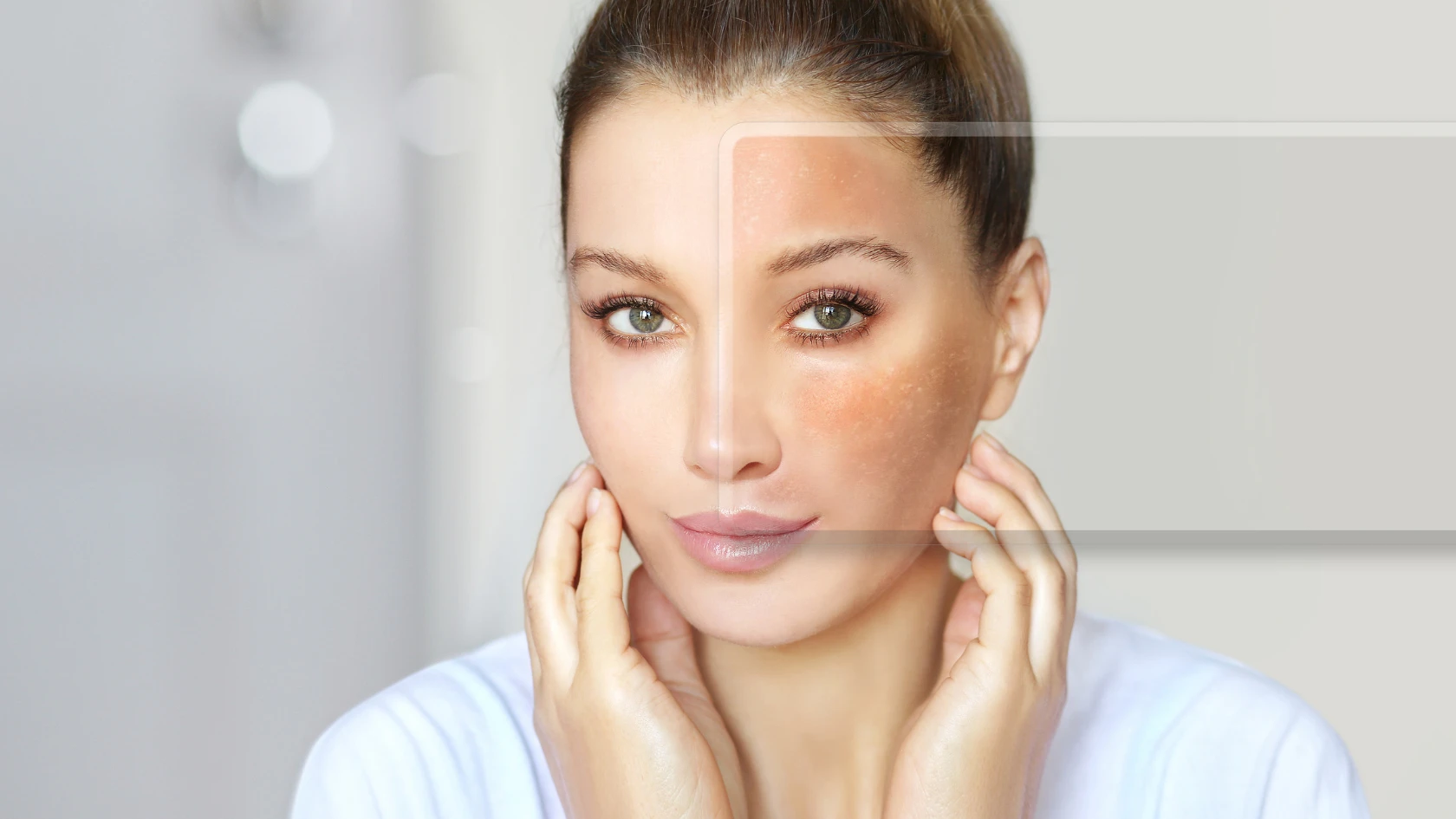
Post-inflammatory hyperpigmentation (PIH) is one of the most common skin concerns, especially for those with melanin-rich skin. Those dark spots that linger long after a breakout has healed can feel frustrating and stubborn. Unlike other types of hyperpigmentation, PIH develops specifically after skin inflammation—whether from acne, eczema, cuts, or even aggressive skincare. The good news? The right serum can significantly speed up the fading process. While PIH will eventually fade on its own, it can take months or even years without intervention. Targeted serums with proven ingredients can reduce this timeline to weeks, helping restore even skin tone much faster. Asaya understands this frustration and has developed formulations specifically designed to address hyperpigmentation on Indian skin tones, where PIH tends to be more pronounced and persistent. We also offer solutions like the Even Evermore Creme and Advanced Spot Targeting Serum for comprehensive care.
Post-inflammatory hyperpigmentation forms after skin inflammation and can take months to fade naturally without treatment.
The most effective serums contain ingredients like vitamin C, niacinamide, alpha arbutin, kojic acid, and azelaic acid.
Consistency and sun protection are crucial—most people see visible fading within 2-4 weeks of regular use.
PIH happens when your skin produces extra melanin in response to inflammation. When skin gets irritated—from a pimple, scratch, or harsh treatment—inflammatory cells trigger melanocytes (pigment-producing cells) to go into overdrive. This excess melanin gets deposited in the skin, creating those dark spots that remain long after the original inflammation has healed. It's important to distinguish PIH from post-inflammatory erythema (PIE). PIH appears as brown or black spots, while PIE shows up as red or pink marks. PIH is more common in people with darker skin tones because they naturally produce more melanin. Without treatment, PIH can take 6-12 months to fade on lighter skin tones and even longer on darker skin. The key to faster fading lies in using ingredients that either break down existing melanin deposits or prevent new melanin formation. This is where targeted serums become essential—they deliver concentrated actives directly to the affected areas.
Not all brightening ingredients are created equal. The most effective hyperpigmentation treatment serums contain specific actives that have been clinically proven to fade dark spots.
Vitamin C inhibits tyrosinase, the enzyme responsible for melanin production. L-ascorbic acid is the most potent form, while magnesium ascorbyl phosphate offers gentler results for sensitive skin. The Asaya 15% Vitamin C + E Serum with Ferulic Acid combines high-strength vitamin C with vitamin E and ferulic acid for enhanced stability and effectiveness against dark spots and sun damage.
This form of vitamin B3 reduces melanin transfer from melanocytes to skin cells while also calming inflammation. It's particularly effective for acne-prone skin since it addresses both active breakouts and the dark spots they leave behind.
A gentle yet effective melanin inhibitor derived from bearberry plants. It's particularly suitable for sensitive skin and works well in combination with other brightening ingredients.
Derived from fungi, kojic acid blocks tyrosinase activity and has been shown to significantly lighten dark spots. The Asaya 2% Kojic Acid & 1% Alpha Arbutin Serum combines these two powerful ingredients for dual melanin-inhibiting action.
This multitasking ingredient not only fades dark spots but also has anti-inflammatory and antibacterial properties, making it ideal for acne-prone skin that's dealing with both active breakouts and PIH.
Choosing the right serum depends on your skin type, the severity of your PIH, and your tolerance for active ingredients. Here are the most effective options based on different needs and concerns.
Combination serums that pair vitamin C with niacinamide offer comprehensive PIH treatment. These formulations address multiple pathways of melanin production while providing antioxidant protection.
Alpha arbutin provides effective brightening without the irritation potential of stronger acids. It's gentle enough for daily use and works well for those new to active ingredients.
This ingredient is particularly effective for persistent PIH that hasn't responded to other treatments. It works by blocking plasmin, which can trigger melanin production.
Niacinamide serums offer excellent value for money while delivering proven results. They're gentle, suitable for all skin types, and can be used both morning and evening.
Azelaic acid serums address both active acne and the dark spots it leaves behind. They're particularly beneficial for those dealing with ongoing breakouts and PIH simultaneously.
Kojic acid serums are specifically formulated to target melanin production. They're particularly effective for sun-induced pigmentation and stubborn dark spots.
Retinoids accelerate cell turnover, helping to shed pigmented skin cells faster. However, they require careful introduction and consistent sun protection.
Licorice root contains glabridin, which inhibits tyrosinase activity. These serums are gentle and suitable for those preferring plant-based ingredients.
Serums that combine multiple brightening ingredients often provide the most comprehensive results. They address PIH through different mechanisms for faster, more complete fading.
Your skin type significantly influences which serums will work best for your PIH concerns.
Look for lightweight, non-comedogenic formulas with niacinamide or azelaic acid. These ingredients address both acne and PIH without clogging pores. The Asaya Even Tone Face Cleanser with its low pH formula and melanin-targeting complex provides a gentle foundation for your routine.
Choose hydrating serums with gentle actives like alpha arbutin or lower concentrations of vitamin C. Avoid formulations with high percentages of acids that might cause irritation.
Balanced formulations work best. You might need different serums for different areas of your face, using gentler options on dry areas and stronger actives on oily zones.
Look for serums that combine anti-aging benefits with brightening effects. Vitamin C serums with additional antioxidants provide both PIH treatment and collagen support. Always patch test new serums on a small area before full application. Start with lower concentrations and gradually increase as your skin builds tolerance.
Serums work best as part of a comprehensive routine designed to support PIH fading while preventing new dark spots.
Start with a gentle cleanser that won't strip your skin. Apply your chosen PIH serum to clean, dry skin, followed by a moisturizer and broad-spectrum SPF 30 or higher. Sun protection is crucial—UV exposure can darken existing PIH and create new spots.
Double cleanse to remove makeup, SPF, and daily buildup. Apply your treatment serum, then follow with a hydrating moisturizer. If using stronger actives like retinoids, alternate nights to prevent irritation. Weekly gentle exfoliation can help accelerate cell turnover, but avoid over-exfoliating, which can worsen PIH through increased inflammation.
The best serum depends on your skin type and tolerance, but vitamin C, niacinamide, and alpha arbutin are consistently effective ingredients. Combination formulas often provide the most comprehensive results. What serum should I use for dark spots? Consider formulations with these key ingredients.
Most people see visible improvement within 2-4 weeks of consistent use. Complete fading typically takes 6-12 weeks, depending on the severity of the PIH and your skin's response to treatment. How long does it take to fade PIH? Consistent use is key for seeing results within this timeframe.
Yes, but introduce them gradually. Some combinations work synergistically, while others might cause irritation. Start with one active and add others slowly.
Darker skin tones often respond well to gentler ingredients like alpha arbutin and niacinamide. Asaya's formulations are specifically designed for melanin-rich skin and provide effective results without irritation.
Consistent sun protection, gentle skincare practices, and prompt treatment of inflammation are key. Avoid picking at breakouts and use non-comedogenic products to prevent new acne formation.
Consistency is the most important factor in PIH treatment. Use your chosen serum daily for at least 6-8 weeks before evaluating results. Many people give up too early, missing the gradual improvements that occur over time. Sun protection cannot be overstated. Even minimal UV exposure can darken existing PIH and undo weeks of progress. Use broad-spectrum SPF daily, regardless of weather or indoor activities. Be gentle with your skin. Harsh scrubbing, picking at spots, or using too many actives at once can create new inflammation and worsen PIH. Patience and consistency yield better results than aggressive treatments. Document your progress with photos taken in consistent lighting. PIH fading is gradual, and photos help you see improvements that might not be obvious day-to-day.
Post-inflammatory hyperpigmentation can feel stubborn and frustrating, but the right serum can significantly accelerate the fading process. The key is choosing ingredients that match your skin type and concerns, then using them consistently while protecting your skin from further damage. Whether you opt for vitamin C, niacinamide, alpha arbutin, or combination formulas, patience and consistency are essential for seeing results. Asaya's MelaMe™ Complex represents an advanced approach to hyperpigmentation treatment—this melanin-first molecule is specifically designed to visibly treat discoloration and restore pigment balance within 2 weeks of regular use. It works by breaking down existing melanin deposits into re-absorbable amino acids while inhibiting excess melanin production, providing faster and more effective results than traditional brightening ingredients. With the right serum and proper routine, clearer, more even-toned skin is absolutely achievable.
