


7 Best Treatments for Post Inflammatory Hyperpigmentation
Your Cart
0You May Also Like
If you've ever watched a breakout heal, only to leave behind a dark spot that sticks around for months, you already know how frustrating post-inflammatory hyperpigmentation treatment can be. It's one of the most common skin concerns for people with Indian and melanin-rich skin tones, and yet most of the advice out there is built for skin that doesn't behave the same way ours does. The good news is that hyperpigmentation is very treatable once you understand what's actually happening under the surface. This piece breaks down the treatments that actually work for PIH on melanin-rich skin, and why they work. Asaya was built around exactly this — skincare that takes melanin-rich skin seriously, not as an afterthought.
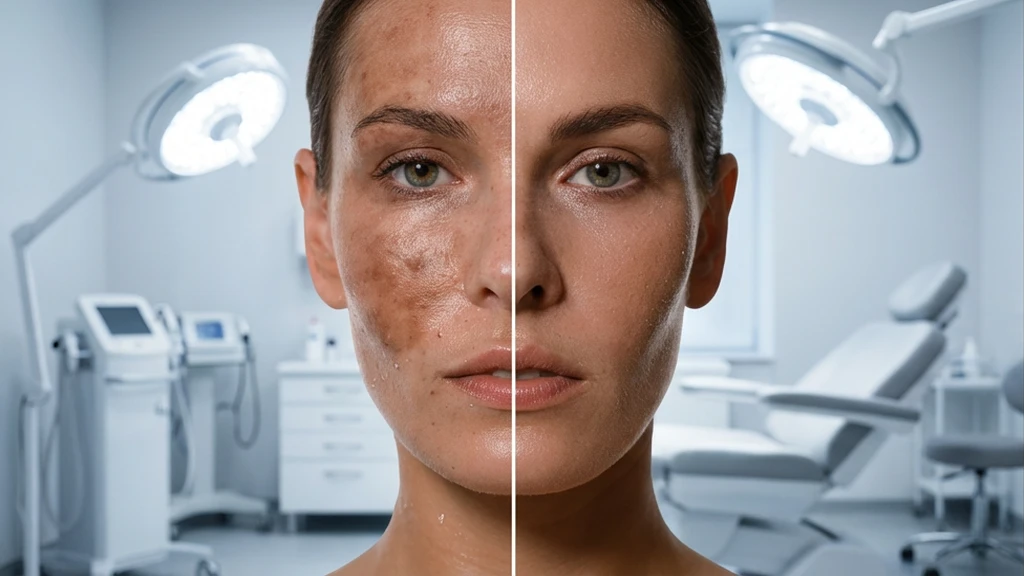
Hyperpigmentation happens when your skin produces too much melanin in one spot, usually triggered by acne, sun exposure, or inflammation.
The right combination of melanin-inhibiting ingredients, gentle exfoliation, and daily SPF is what actually fades dark spots over time.
Most people using a consistent routine with the right melanin-inhibiting actives — including MelaMe™ Complex — see visible fading in about 2 weeks.
Understanding the causes of post-inflammatory hyperpigmentation is the first step to treating it effectively. Dark spots happen when your skin produces extra melanin in one area. Melanin is the pigment that gives your skin its colour, and it's also your skin's natural defence against damage. When something irritates or injures the skin — a pimple, a rash, too much sun — your melanin-producing cells go into overdrive in that spot. The result is a patch that's darker than the skin around it.
On deeper skin tones, this response tends to be stronger. That's not a flaw — it's just how melanin-rich skin is wired. It also means that the dark spots left behind can be more intense and take longer to fade without the right support.
Post-inflammatory hyperpigmentation is the dark mark left after your skin heals from a breakout, cut, or irritation. It's not a scar — the skin texture is usually smooth — but the colour change can linger for weeks or months. PIH treatment options work best when started early, ideally as soon as the active breakout has healed.
UV exposure is one of the biggest triggers for uneven skin tone. Sun damage pushes melanin production into overdrive, especially in areas that already have some pigmentation. This is why skipping sunscreen makes existing dark spots darker and slows down any treatment you're using.
There's no single ingredient that does everything, but there is a clear logic to how dark spot treatment works. The fastest way to get rid of post-inflammatory hyperpigmentation is to combine the right approach: slow down excess melanin production, gently clear away the pigmented surface cells, and protect the skin from triggers that make things worse. That's the three-part approach that actually moves the needle.
Kojic Acid is one of the most well-researched ingredients for hyperpigmentation. It targets tyrosinase — the enzyme responsible for excess melanin production — to slow down pigment formation at the source. The Asaya 2% Kojic Acid and 1% Alpha Arbutin Serum includes Kojic Acid as a core active, making it a gentle but effective option for daily use on PIH, sun-induced dullness, and uneven tone.
Kojic Acid and Alpha Arbutin both target tyrosinase — the enzyme responsible for excess melanin production — though they do it through slightly different pathways. Together, they create a more complete block on the pigmentation process than either ingredient alone. The Asaya 2% Kojic Acid and 1% Alpha Arbutin Serum combines both in one formula for consistent, daily use.
Vitamin C is one of the most studied actives for skin discoloration treatment. It interferes with melanin synthesis and also protects against the oxidative stress that triggers pigmentation in the first place. The Asaya 15% Vitamin C + E Serum with Ferulic Acid delivers a high-potency blend of Vitamin C, Vitamin E, and Ferulic Acid — a combination that's more stable and more effective than Vitamin C alone. It works well for dark spots, sun damage, and early signs of dullness.
Gentle exfoliation with AHAs helps clear away the pigmented surface cells that make dark spots visible. By accelerating cell turnover, AHAs allow fresher, more evenly toned skin to surface faster. This step is especially important for areas with thicker or rougher skin where pigment can accumulate more stubbornly.
Your cleanser sets the tone for everything that follows. A low-pH, non-stripping formula keeps your skin barrier intact so your actives can actually do their job. The Asaya Even Tone Face Cleanser is built for exactly this — it contains MelaMe™ Complex, Alpha Arbutin, Kojic Acid, and Niacinamide, so it starts working on dark spots and acne marks from the very first step of your routine, without drying your skin out.
UV exposure is one of the main reasons dark spots get darker and take longer to fade. Daily SPF isn't optional when you're treating hyperpigmentation — it's what protects your progress and prevents new pigmentation from forming. No treatment routine is complete without it.
Hyperpigmentation doesn't stop at the face. Friction, shaving, and sweat can cause dark patches on the underarms, knees, elbows, and neck. Targeted body formulas that combine melanin inhibitors with exfoliants address these areas with the same logic as facial dark spot treatment — and are essential for a complete approach.
Treating post-acne marks and body pigmentation follows the same logic as facial dark spot treatment: inhibit excess melanin, exfoliate gently, and protect. The skin in these areas is often thicker and more prone to friction, which means it needs formulas that can penetrate and work without irritating an already-compromised barrier.
The Asaya Even Tone Underarm Mist uses a 10% AHA blend — 7% Glycolic Acid and 3% Lactic Acid — alongside MelaMe™ Complex to fade underarm dark patches and control odour at the same time. For knees, elbows, and the neck — where skin tends to be thicker and rougher — the Asaya Tone Restore Knee-Neck-Elbow Cream combines MelaMe™ Complex with Kojic Acid, AHAs, and Urea to depigment, exfoliate, and smooth in one step.
The most effective approach to post-inflammatory hyperpigmentation combines three steps: melanin inhibition using actives like Kojic Acid and Alpha Arbutin, gentle exfoliation to clear pigmented surface cells, and daily SPF to prevent further darkening. Asaya's MelaMe™ Complex system is formulated specifically around this three-part logic for melanin-rich skin.
It depends on how deep the pigmentation is and how consistently you're treating it. Surface-level dark spots from recent breakouts can start to visibly fade in about 2 weeks with the right actives. Older or deeper pigmentation takes longer — usually 6 to 12 weeks of consistent use.
Yes — post-inflammatory hyperpigmentation does fade with consistent treatment. Unlike true scarring, PIH is a colour change rather than a structural change to the skin, which means the right actives can address it effectively. Most people see meaningful improvement within 6 to 12 weeks of a consistent routine.
Hyperpigmentation is a broad term for any darkening of the skin caused by excess melanin production — this includes sun spots, melasma, and age spots. Post-inflammatory hyperpigmentation (PIH) is a specific type triggered by skin injury or inflammation, such as a healed breakout, cut, or rash. The treatment approach is similar, but PIH responds particularly well to early intervention with melanin-inhibiting actives.
Yes, but layering matters. Vitamin C works well in the morning. Kojic Acid and Alpha Arbutin can be used morning or night. Avoid mixing strong actives with each other until your skin has adjusted to each one individually.
For a complete approach to post-inflammatory hyperpigmentation treatment, the Asaya Advanced Anti-Pigmentation Set covers all four steps — cleanse, treat, moisturise, and protect — using the MelaMe™ Complex system throughout. It's a good starting point if you want a routine that's been built specifically for melanin-rich skin.
Absolutely. UV exposure is one of the main reasons dark spots get darker and take longer to fade. Sunscreen isn't optional when you're treating hyperpigmentation — it's what makes everything else work.
Hyperpigmentation is one of those things that takes a little patience, but it does respond to the right routine. The key is using ingredients that actually address how melanin works in deeper skin tones — not just generic brightening formulas that were never designed with your skin in mind.
That's where MelaMe™ Complex comes in. It's Asaya's melanin-first molecule, designed specifically to treat discolouration on Indian and melanin-rich skin. It works by breaking down excess melanin deposits into re-absorbable amino acids and inhibiting further overproduction — so it's fading existing dark spots and preventing new ones at the same time. Most people see visible results within 2 weeks of regular use with a consistent routine using the right melanin-inhibiting actives. It's not a shortcut, but it is a smarter approach to how dark spot treatment actually works on skin like yours.
If pigmentation has been bothering you for a while, starting with a cleanser, a targeted serum, and daily SPF is a solid, evidence-backed place to begin.
