


17 Powerful Hyperpigmentation Tips for Indian Skin
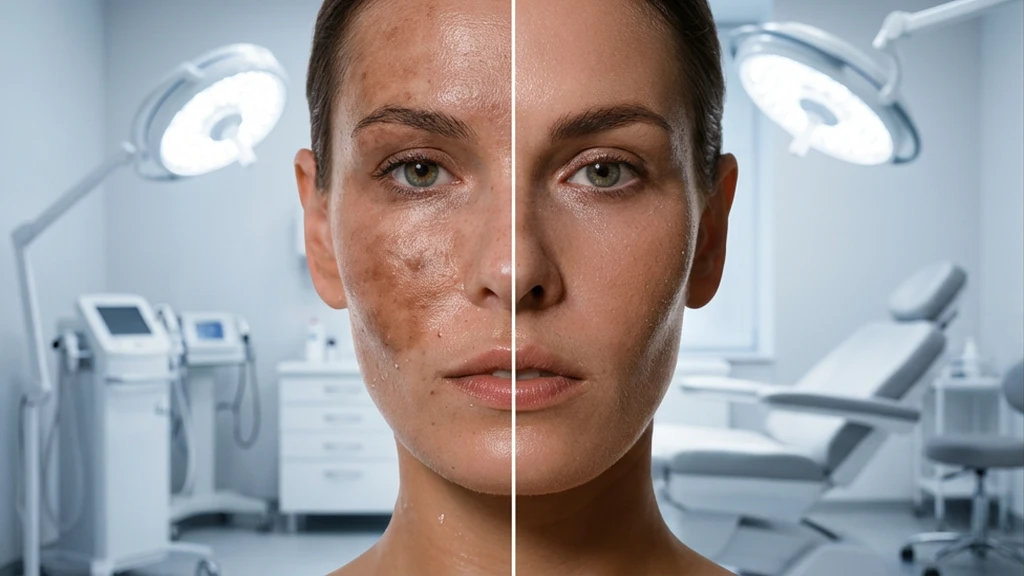
Dealing with hyperpigmentation on Indian skin can feel overwhelming, especially when most skincare advice doesn't address the unique needs of darker skin tones. Indian skin, with its higher melanin content and tendency toward post-inflammatory hyperpigmentation, requires specific strategies that work with your skin's natural characteristics rather than against them. Whether you're battling stubborn dark spots from old acne, melasma from hormonal changes, or sun damage from daily exposure, the right approach can transform your complexion. These 17 expert-backed tips combine proven treatments, gentle home remedies, and prevention strategies specifically designed for Indian skin types. From understanding why your skin reacts differently to hyperpigmentation to implementing a routine that delivers real results, you'll discover practical solutions that respect your skin's unique needs while delivering the even tone you've been seeking.
Indian skin behaves differently when it comes to pigmentation issues, and understanding these differences is crucial for effective treatment. The higher melanin content in Indian skin types provides natural sun protection but also makes the skin more reactive to inflammation and trauma. This means that even minor skin irritations can lead to lasting dark spots that take months to fade without proper care.
Indian skin typically falls into Fitzpatrick skin types III to V, which contain more active melanocytes than lighter skin tones. When these cells are triggered by inflammation, sun exposure, or hormonal changes, they produce excess melanin that settles into dark patches. Post-inflammatory hyperpigmentation is particularly common, meaning that acne, cuts, or even aggressive scrubbing can leave behind persistent dark marks.
Several factors contribute to uneven skin tone in Indian skin. Sun exposure remains the primary culprit, as UV rays stimulate melanin production even through windows and on cloudy days. Hormonal fluctuations during pregnancy, menstruation, or while taking birth control can trigger melasma, creating symmetrical patches on the cheeks and forehead. Acne and its aftermath often leave behind stubborn marks that can persist for years without intervention.
When home remedies aren't enough, professional treatments offer more intensive solutions for stubborn pigmentation. However, choosing the right treatment for Indian skin requires careful consideration, as some procedures that work well on lighter skin can actually worsen hyperpigmentation in darker tones.
Azelaic acid stands out as one of the safest and most effective options for Indian skin, working to reduce melanin production while fighting acne-causing bacteria. Niacinamide offers gentle yet powerful melanin reduction properties without the irritation risk of harsher ingredients. Vitamin C serums provide antioxidant protection while gradually lightening existing spots, and tranexamic acid represents the latest advancement in pigmentation control, particularly effective for melasma.
Chemical peels using glycolic or lactic acid can effectively remove the top layer of pigmented skin when performed by experienced professionals. Laser treatments require special consideration for Indian skin, with certain wavelengths being safer than others. Microneedling combined with brightening serums can stimulate cell turnover while delivering active ingredients deeper into the skin.
These evidence-based strategies address every aspect of pigmentation removal, from immediate daily actions to long-term maintenance. Each tip has been selected specifically for its safety and effectiveness on Indian skin types.
Start with these fundamental practices that form the backbone of any successful hyperpigmentation routine:
Apply broad-spectrum SPF 30+ sunscreen daily - This single step prevents 80% of new pigmentation from forming
Use gentle exfoliation 2-3 times weekly - Remove dead skin cells to allow treatments to penetrate better
Apply vitamin C serum every morning - Provides antioxidant protection while gradually lightening spots
Use niacinamide treatment in the evening - Reduces melanin transfer and calms inflammation
Cleanse properly without over-scrubbing - Harsh cleansing can trigger more pigmentation
These home remedies for hyperpigmentation complement your daily routine with natural brightening power:
Apply turmeric face masks - Mix with milk or yogurt for anti-inflammatory benefits
Use lemon and honey spot treatments - Natural acids gently lighten while honey moisturizes
Apply aloe vera gel overnight - Soothes inflammation and promotes healing
Use green tea toner - Antioxidants help prevent further damage
Try papaya enzyme masks - Natural enzymes provide gentle exfoliation
These advanced strategies provide deeper treatment for stubborn pigmentation:
Schedule professional chemical peels - Monthly treatments can accelerate results
Introduce retinoids gradually - Start with low concentrations to avoid irritation
Use kojic acid treatments - Powerful tyrosinase inhibitor for melanin reduction
Apply arbutin-based serums - Natural skin brightening without harsh side effects
Try licorice extract applications - Gentle yet effective for sensitive areas
Address hyperpigmentation from the inside out:
Follow an anti-inflammatory diet - Include berries, leafy greens, and omega-3 rich foods
Manage stress and prioritize sleep - Both factors directly impact skin healing and hormone balance
Building an effective routine requires layering products correctly and choosing formulations that work well together. The key is starting slowly and building up tolerance to active ingredients while maintaining consistent sun protection.
Begin with a gentle cleanser, followed by vitamin C serum on clean skin. Allow it to absorb for 10-15 minutes before applying moisturizer, then finish with broad-spectrum sunscreen. This sequence maximizes the antioxidant benefits while ensuring proper protection throughout the day.
Evening routines focus on repair and renewal. After cleansing, apply your chosen treatment serum (niacinamide, azelaic acid, or retinoid) followed by a nourishing moisturizer. Alternate different treatments on different nights to avoid over-irritation while maintaining consistent progress toward skin brightening.
While many home remedies promise quick fixes, only certain natural ingredients have scientific backing for melanin reduction. Understanding which ones work and how to use them safely can enhance your professional treatment results.
Turmeric contains curcumin, which has proven anti-inflammatory properties that can prevent new pigmentation from forming. Kojic acid derived from rice fermentation acts as a natural tyrosinase inhibitor, slowing melanin production. Licorice root extract contains glabridin, which brightens skin without the irritation of synthetic alternatives.
Always patch test natural ingredients before full application, as even gentle substances can cause reactions. Mix turmeric with milk or honey rather than water to prevent staining. Apply natural treatments 2-3 times weekly rather than daily to avoid over-stimulation of the skin.
Understanding realistic timelines helps maintain motivation and prevents the temptation to switch treatments too quickly. Hyperpigmentation causes vary, and so do healing times, but most people see initial improvements within the first month of consistent treatment.
The first 2-4 weeks typically show subtle improvements in skin texture and brightness. Months 3-6 bring more noticeable fading of dark spots, while 6-12 months of consistent care can achieve significant long-term improvement. Remember that deeper pigmentation takes longer to resolve than surface-level discoloration.
Once you achieve your desired results, maintenance becomes crucial. Continue using sunscreen daily and incorporate gentle brightening ingredients 2-3 times weekly. Regular dermatologist check-ups help adjust your routine as your skin's needs change with age and seasons.
Most people notice initial improvements in skin brightness within 2-4 weeks of consistent treatment. Significant fading of dark spots typically occurs between 3-6 months, while deeper pigmentation may take 6-12 months to fully resolve. Consistency with sunscreen and active ingredients is crucial for seeing results.
Avoid hydroquinone concentrations above 2%, harsh physical scrubs, and aggressive chemical peels without professional supervision. High-concentration retinoids should be introduced gradually. Always patch test new ingredients, as Indian skin can be more reactive to certain treatments.
Home remedies can significantly improve mild to moderate hyperpigmentation, especially when combined with proper sun protection. However, stubborn or deep pigmentation often requires professional treatment with prescription-strength ingredients or clinical procedures for complete removal.
Yes, but layering should be done carefully to avoid irritation. Use vitamin C in the morning and niacinamide or azelaic acid in the evening. Introduce new treatments one at a time, and always maintain a gentle moisturizer and sunscreen routine to support your skin barrier.
Successfully treating hyperpigmentation on Indian skin requires patience, consistency, and the right combination of treatments. Start with the daily essentials of sunscreen, gentle cleansing, and proven active ingredients like vitamin C and niacinamide. Gradually incorporate weekly treatments and consider professional options for stubborn pigmentation. Remember that your skin's higher melanin content is actually a protective feature, and with the right approach, you can achieve the even, radiant complexion you desire while working with your skin's natural characteristics rather than against them.
