


17 Best Hyperpigmentation Treatments in India Revealed
Your Cart
0You May Also Like

₹636 ₹749

₹424 ₹499

₹509 ₹599

₹594 ₹699

₹424 ₹499

₹466 ₹549
Hyperpigmentation affects nearly 80% of Indian women and men, making it one of the most common skin concerns across the subcontinent. From stubborn melasma patches to post-acne dark spots, uneven skin tone can feel overwhelming. The good news? India's dermatology landscape has evolved dramatically, offering everything from cutting-edge laser treatments to powerful at-home solutions. Whether you're dealing with sun damage from harsh tropical climates or hormonal pigmentation, there's a treatment that can help restore your skin's natural radiance. This comprehensive guide reveals 17 proven hyperpigmentation treatment India options, covering professional procedures and accessible home remedies that actually work.
Indian skin types face unique challenges when it comes to pigmentation. Our naturally higher melanin content, while protective against UV damage, also makes us more prone to post-inflammatory hyperpigmentation and uneven skin tone.
Several factors contribute to pigmentation causes in Indian skin. Sun exposure remains the primary culprit, especially given our tropical climate and intense UV radiation year-round. Hormonal fluctuations during pregnancy, menstruation, or while taking birth control often trigger melasma. Post-inflammatory hyperpigmentation frequently follows acne, cuts, or skin irritation, leaving behind stubborn dark marks that can persist for months.
Melasma typically appears as symmetrical brown patches on the cheeks, forehead, and upper lip. Post-acne marks range from red to deep brown, depending on skin tone and inflammation severity. Age spots and sun damage create scattered dark patches, while freckles often cluster around the nose and cheeks.
Professional treatments offer the most dramatic results for severe pigmentation. These procedures require qualified dermatologist for pigmentation supervision and proper aftercare.
Hydroquinone remains the gold standard for pigmentation removal. This powerful ingredient blocks tyrosinase, the enzyme responsible for melanin production. Prescription-strength formulations (4-6%) deliver faster results than over-the-counter versions (2%). Most patients see improvement within 6-8 weeks, though complete results may take 3-4 months.
Q-switched lasers target melanin deposits with precise energy pulses. This treatment works exceptionally well for stubborn melasma and age spots. Sessions typically cost ₹3,000-8,000 each, with 4-6 treatments needed for optimal results. The procedure is relatively comfortable, with minimal downtime.
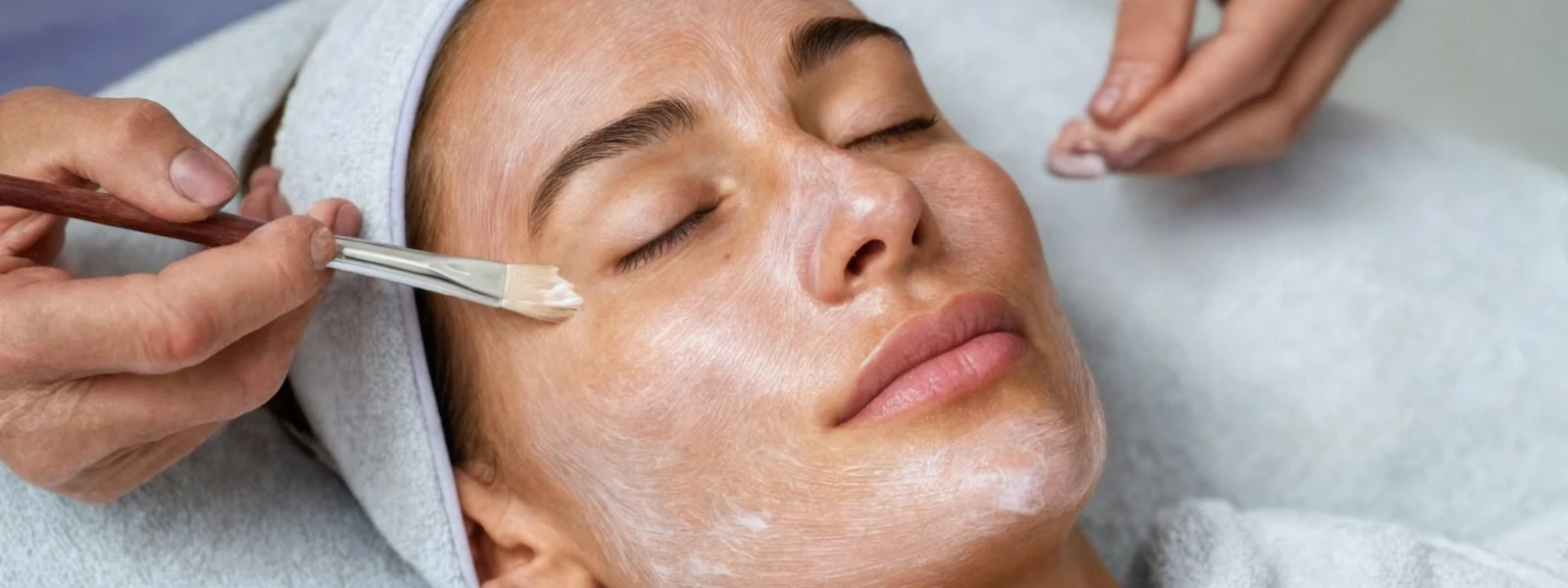
Chemical peels remove damaged skin layers, revealing fresh, even-toned skin underneath. Glycolic acid peels work well for surface pigmentation, while TCA peels penetrate deeper for stubborn spots. Light peels require no downtime, while medium peels may cause 3-5 days of peeling.
Intense Pulsed Light therapy uses broad-spectrum light to target pigmented areas. IPL works particularly well for sun damage and age spots. Treatment sessions cost ₹4,000-10,000 each, with 3-5 sessions typically needed.
Microneedling creates tiny channels in the skin, allowing anti-pigmentation creams and serums to penetrate deeper. This treatment enhances the effectiveness of topical ingredients while stimulating collagen production for overall skin improvement.
Mesotherapy involves injecting vitamins, minerals, and depigmenting agents directly into the skin. This targeted approach delivers active ingredients precisely where needed, making it highly effective for localized pigmentation.
Fractional lasers create controlled micro-injuries, promoting skin renewal and collagen production. This treatment addresses both pigmentation and skin texture, though it requires 5-7 days of downtime.
Cryotherapy uses liquid nitrogen to freeze and destroy pigmented cells. This quick procedure works well for isolated age spots and takes just minutes to complete.
Home treatments offer convenience and affordability for mild to moderate pigmentation. These options require patience and consistency but can deliver impressive results over time.
Tretinoin accelerates cell turnover, helping fade dark spots treatment while preventing new pigmentation. Start with lower concentrations (0.025%) and gradually increase as your skin adapts. Results typically appear after 8-12 weeks of consistent use.
Kojic acid naturally inhibits melanin production and works well for sensitive skin. This gentle ingredient can be used daily and pairs well with other depigmenting agents for enhanced results.
Azelaic acid offers dual benefits for pigmentation and acne. This ingredient reduces inflammation while lightening dark spots, making it ideal for post-acne hyperpigmentation.
Vitamin C brightens skin and prevents future pigmentation by neutralizing free radicals. L-ascorbic acid provides the most potent results, though magnesium ascorbyl phosphate offers better stability for sensitive skin.
Alpha arbutin gently inhibits tyrosinase without irritation. This natural ingredient works slowly but safely, making it perfect for long-term maintenance and sensitive skin types.
Niacinamide reduces melanin transfer to skin cells while strengthening the skin barrier. This versatile ingredient works well for all skin types and can be combined with other treatments safely.
Licorice root contains glabridin, which naturally lightens pigmentation. This gentle ingredient soothes inflammation while gradually evening skin tone.
Tranexamic acid specifically targets melasma by reducing inflammation and melanin production. This newer ingredient shows promising results for hormonal pigmentation.
Many dermatologists prescribe custom combinations of hydroquinone, tretinoin, and corticosteroids. These triple-combination creams deliver faster results but require careful monitoring for side effects.
Understanding treatment costs helps you plan your skin pigmentation treatment journey effectively. Prices vary significantly based on location, clinic reputation, and treatment complexity.
Laser treatments range from ₹3,000-15,000 per session in major cities like Mumbai and Delhi. Chemical peels cost ₹2,000-8,000 depending on depth and clinic. IPL sessions typically range ₹4,000-10,000 each. Government hospitals often offer these services at 30-50% lower costs, though waiting times may be longer.
Generic topical treatments cost significantly less than branded versions while maintaining similar efficacy. Online dermatology consultations provide expert guidance at reduced fees. Many clinics offer package deals for multiple sessions, reducing per-treatment costs.
Selecting the right hyperpigmentation treatment depends on your specific skin concerns, budget, and lifestyle. Professional consultation ensures you choose the most effective approach for your unique situation.
Qualified dermatologists can identify your specific pigmentation type and recommend targeted treatments. They'll assess your skin's response to previous treatments and adjust protocols accordingly. Professional monitoring prevents complications and ensures optimal results.
Darker skin tones require gentler laser settings to prevent post-inflammatory hyperpigmentation. Sensitive skin benefits from gradual introduction of active ingredients. Combination approaches often work better than single treatments for complex pigmentation patterns.
Understanding potential side effects helps you make informed decisions about skin discoloration treatment options. Most treatments are safe when performed correctly, but awareness prevents complications.
Laser treatments may cause temporary darkening in darker skin tones before improvement occurs. Chemical peels can trigger irritation, redness, and peeling for several days. Topical treatments might cause initial dryness, redness, or mild burning sensations.
Strict sun protection is crucial during all treatments to prevent worsening pigmentation. Start with lower concentrations of active ingredients and gradually increase as tolerated. Moisturizing regularly helps manage dryness and irritation from treatments.
Hydroquinone therapy combined with tretinoin offers the most proven results for most pigmentation types. However, the best treatment depends on your specific skin type, pigmentation cause, and severity. Professional consultation helps determine the optimal approach.
Costs vary widely based on treatment type and location. Topical treatments range ₹500-3,000 monthly, while professional procedures cost ₹3,000-15,000 per session. Complete treatment courses typically range ₹15,000-75,000 depending on severity and chosen methods.
Many treatments can significantly fade or eliminate existing pigmentation permanently. However, new pigmentation can develop from sun exposure, hormonal changes, or skin injury. Maintenance treatments and sun protection help prevent recurrence.
Topical treatments typically show initial improvement in 6-8 weeks, with full results in 3-6 months. Professional procedures may show faster results, with some improvement visible after 2-4 weeks. Patience and consistency are key to successful treatment.
While some natural ingredients like kojic acid and licorice extract can help, they work much slower than medical treatments. Vitamin C, niacinamide, and alpha arbutin offer gentler alternatives to stronger prescription ingredients.
Successful melasma treatment and pigmentation management require a personalized approach combining professional expertise with consistent home care. Start with professional consultation to identify your specific pigmentation type and causes. Consider your budget, lifestyle, and skin sensitivity when choosing treatments. Remember that patience and sun protection are essential for lasting results. Whether you choose professional procedures or at-home treatments, consistency and proper aftercare will determine your success in achieving clear, even-toned skin.
