


11 Benefits of Lightweight Serums for Pigmented Skin
Your Cart
0You May Also Like
Dealing with dark spots, acne scars, and uneven skin tone can feel overwhelming, especially when heavy creams seem to clog pores or sit uncomfortably on your skin. The benefits of lightweight serums for pigmented skin go far beyond just texture – they offer a scientifically advanced approach to treating hyperpigmentation without the drawbacks of heavier formulations. These fast-absorbing formulas deliver potent active ingredients directly where they're needed most, making them ideal for Indian skin that often battles persistent pigmentation issues.
Lightweight serums are formulated with smaller molecular structures that penetrate deeper into the skin compared to traditional creams or lotions. This unique characteristic makes them particularly effective for addressing pigmentation concerns that often sit in the deeper layers of the epidermis.
The key difference lies in their water-based or gel-like consistency, which allows for better absorption without leaving a greasy residue. For those dealing with serums for dark spots, this means active ingredients like vitamin C, niacinamide, and kojic acid can reach their target areas more efficiently.
The lightweight nature ensures consistent daily application, which is crucial for seeing results with pigmentation treatments. Heavy formulas often discourage regular use, especially in humid climates where skin tends to feel congested.
Understanding these specific advantages can help you make informed decisions about incorporating lightweight serums into your skincare routine. Each benefit addresses common concerns faced by those dealing with hyperpigmentation.
1. Deeper Active Ingredient Delivery: The molecular structure of lightweight serums allows ingredients to penetrate beyond the surface layer. This means fast absorbing serum for hyperpigmentation can deliver kojic acid, alpha arbutin, and vitamin C directly to melanin-producing cells.
2. No Pore Clogging: Unlike heavy creams, lightweight formulas won't block pores or cause breakouts. This makes them perfect as a brightening serum for oily skin that's prone to both acne and pigmentation.
3. Visible Results in 2-4 Weeks: The enhanced absorption means you can see improvements in dark spots and uneven tone much faster than with traditional heavy formulations.
4. Effective Post-Acne Mark Treatment: Lightweight serum for acne scars works exceptionally well because the formula won't irritate healing skin or cause additional breakouts while treating existing marks.
5. Melasma and Stubborn Spot Management: For persistent pigmentation like melasma, consistent application of a serum for melasma and dark spots is essential. Lightweight formulas make daily use comfortable and sustainable.
6. Overall Tone Evening: Regular use of the best serum for uneven skin tone helps create a more uniform complexion by addressing multiple pigmentation concerns simultaneously.
7. Universal Skin Type Compatibility: Whether you have oily, dry, or combination skin, lightweight serums adapt well. They provide hydration without heaviness for dry skin and treatment without greasiness for oily skin.
8. Perfect for Layering: You can easily combine a serum for post-acne marks with sunscreen, moisturizer, or other treatments without creating a heavy, uncomfortable feeling on your skin.
9. Reduced Irritation Risk: The lightweight formula for dark patches typically contains fewer heavy emulsifiers and fillers that can cause sensitivity, making them suitable for reactive skin.
10. Prevention of New Pigmentation: Regular use helps prevent new dark spots from forming by maintaining skin health and supporting natural cell turnover processes.
11. Enhanced Skin Texture and Radiance: Beyond pigmentation treatment, hyperpigmentation serum benefits include improved skin texture, increased radiance, and better overall skin health due to the concentrated active ingredients.
Not all pigmentation is the same, and understanding your specific concerns helps in selecting the most effective lightweight serum. Different types of dark spots respond better to specific ingredients and formulations.
Post-inflammatory hyperpigmentation from acne appears as dark spots where breakouts occurred. Melasma typically shows up as larger, symmetrical patches on the face. Age spots are usually smaller and appear in sun-exposed areas.
For fresh acne marks, look for serum ingredients for skin discoloration like niacinamide and vitamin C. For deeper, older pigmentation, kojic acid and alpha arbutin work more effectively. Combination formulas can address multiple concerns simultaneously.
Proper application technique can significantly impact the effectiveness of your lightweight serum. The way you apply and layer your products determines how well the active ingredients can work.
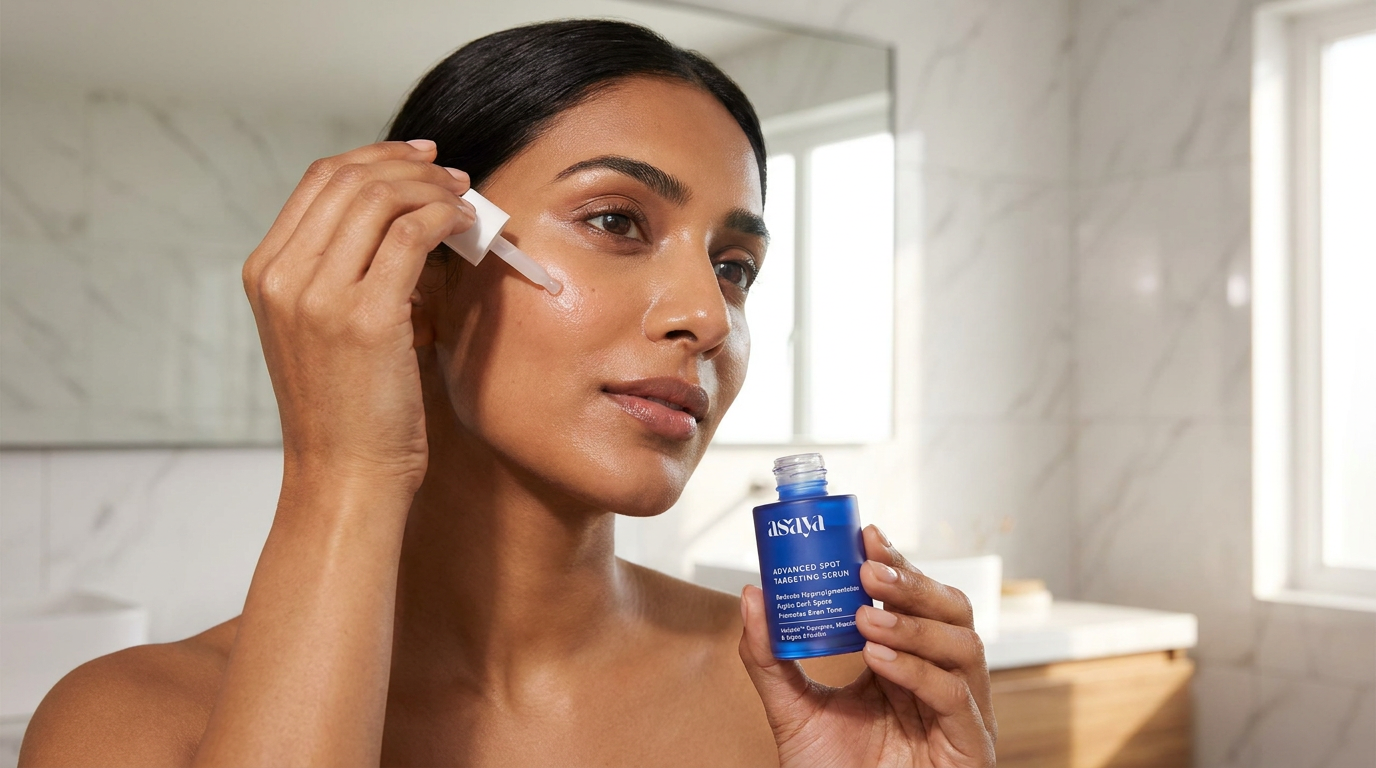
Start with clean skin, apply 2-3 drops of serum to your entire face, gently pat in until absorbed, then follow with moisturizer and sunscreen during the day. Evening application allows for better ingredient penetration without sun exposure concerns.
Using too much product can actually reduce effectiveness and cause irritation. Skipping sunscreen negates the benefits, as UV exposure can worsen pigmentation even while treating it.
Understanding realistic expectations helps maintain consistency with your routine. Different types of pigmentation respond at different rates, and individual skin factors influence results.
Weeks 1-2: Skin texture improves, and fresh marks may start lightening. Weeks 4-6: Noticeable fading of newer dark spots begins. Weeks 8-12: Significant improvement in overall skin tone and older pigmentation.
Skin type, pigmentation depth, consistency of use, sun protection habits, and overall skincare routine all influence how quickly you see results. Deeper pigmentation naturally takes longer to fade than surface-level discoloration.
The best serum depends on your specific pigmentation type and skin sensitivity. Look for formulas containing proven ingredients like kojic acid for stubborn spots, niacinamide for overall tone evening, and vitamin C for prevention and brightening.
Fresh post-acne marks may start fading within 2-4 weeks, while deeper pigmentation can take 8-12 weeks for significant improvement. Consistency in application and proper sun protection are crucial for optimal results.
Yes, lightweight serums layer well with other treatments. However, introduce new products gradually and avoid combining too many active ingredients at once to prevent irritation.
Lightweight formulas are generally gentler than heavy creams because they contain fewer potential irritants. Start with lower concentrations and patch test before full application.
Lightweight serums offer a superior approach to treating pigmented skin through enhanced penetration, reduced irritation risk, and better daily compliance. Their fast-absorbing nature makes them ideal for Indian skin dealing with persistent dark spots, acne marks, and uneven tone.
The key to success lies in choosing the right formula for your specific pigmentation type, applying it correctly, and maintaining consistency while protecting your skin from further sun damage. With proper use, lightweight serums can deliver visible improvements in skin tone and texture within weeks, making them an essential tool in your pigmentation-fighting routine.
