


What Actually Works for Dry Skin: Overnight DIY Repair Remedies
Your Cart
0You May Also Like

₹599 ₹749

₹424 ₹499

₹479 ₹599

₹559 ₹699

₹424 ₹499

₹439 ₹549
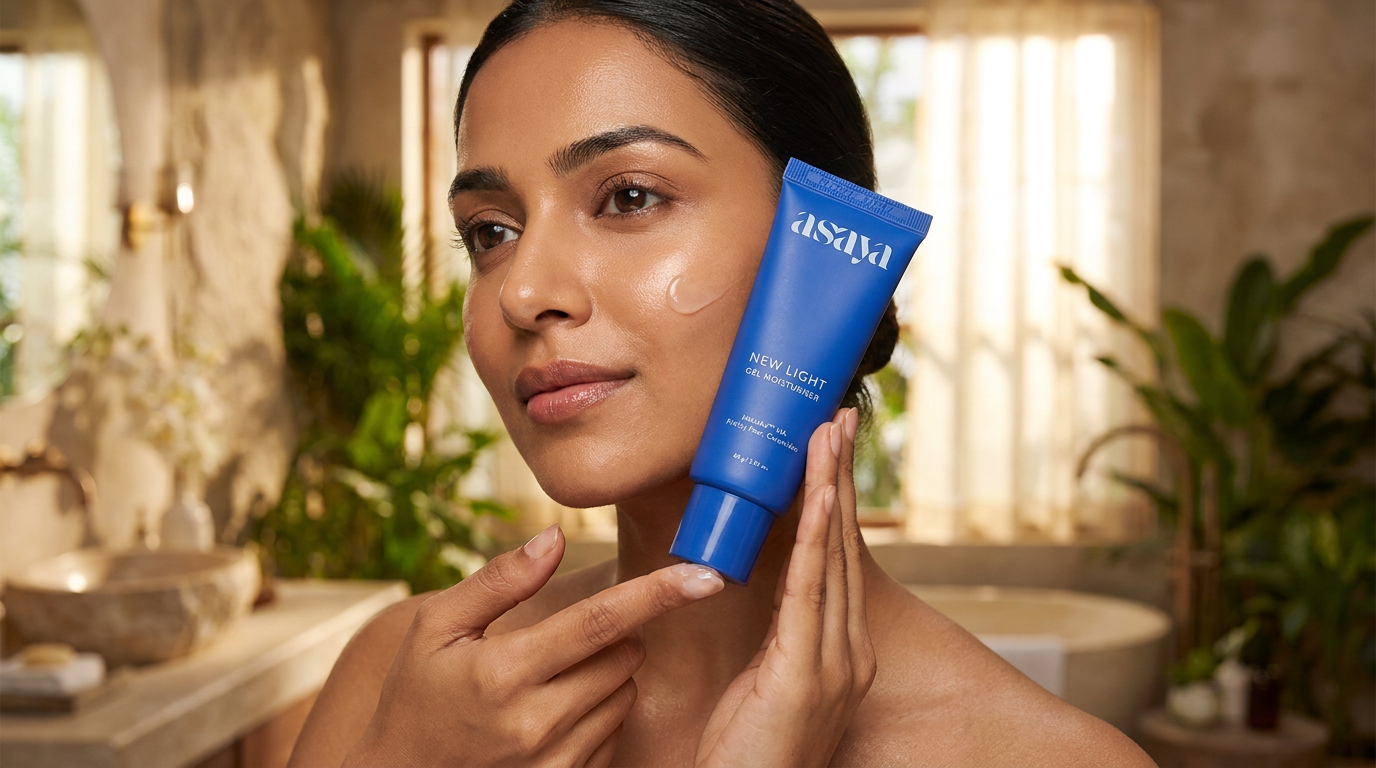
If your skin feels tight and rough by the time you get to bed, you're not imagining it — and you're definitely not alone. Dryness can also make dark spots look more obvious on melanin-rich skin, which is why overnight DIY remedies to repair dry skin overnight are worth getting right. Think of the routine as three simple jobs: add water, add moisture, then seal it in. Asaya Moisture Cocoon Creme fits this approach with ceramides, niacinamide, and watermelon extract, made for normal to dry skin and gentle enough to use overnight. If your skin is oily but still feels parched, Asaya New Light Gel Face Moisturiser gives you that humectant hit without any heaviness.
Use a gentle cleanse, a humectant layer, and a moisturising seal at night.
Match heavier care to flaky skin and lighter layers to humid weather.
Skip hot water and harsh scrubs while your barrier feels dry.
Dryness can stem from low humidity, harsh cleansers, barrier disruption, dehydration, or genetic factors. Understanding the root cause matters because it shapes which fix will actually work for you. A routine that helps someone with weather-triggered dryness may not be enough for someone dealing with a compromised skin barrier.
Weather, air conditioning, and stripping cleansers affect the skin surface and can deplete the lipids your barrier relies on. Internally, water intake, diet, and stress levels may also play a role worth reviewing. Addressing both sides gives your overnight routine the best chance of making a visible difference.
Tightness, flaking, and a rough or stinging sensation after cleansing can all signal a stressed barrier. Sensitivity to products you normally tolerate is another common sign. Keep the routine simple and consistent until your skin feels more comfortable and resilient.
Night gives leave-on layers more uninterrupted time on your skin than any daytime routine can. A calm, well-sequenced routine limits transepidermal water loss while you sleep, allowing barrier-supporting ingredients like ceramides and humectants to do their work without interference.
Apply each layer to slightly damp skin and keep rubbing and heat to a minimum. The order of steps matters here — layering correctly means each ingredient can do its job without being blocked or diluted by what comes after it.
Use a non-stripping, low-pH cleanser to remove the day without disrupting your barrier. Avoid hot water, which can leave skin feeling significantly drier and more reactive.
Apply a hyaluronic acid serum or aloe vera gel to damp skin. These humectants draw water into the upper layers of the skin, giving the moisturiser that follows something to lock in. The Asaya 10% Niacinamide & 1% Alpha Arbutin Serum is a strong option here — niacinamide supports the barrier while also addressing uneven tone, making it especially useful if dryness is accompanied by discolouration.
Follow with a moisturiser formulated for dry skin. Ceramides support the barrier directly; add a balm or facial oil on top only if your skin tolerates it and needs extra protection.
Patch test each blend first and keep DIY mixes simple. Avoid applying them to broken or actively irritated skin.
An oatmeal and aloe blend is a gentle starting point for skin that feels itchy and reactive. Oatmeal contains beta-glucan, which has well-documented soothing properties and helps calm the itch response. Aloe adds a cooling, hydrating layer that settles irritation without clogging pores. Apply the blend, leave it for ten minutes, then rinse gently and follow with a plain moisturiser.
A honey and avocado paste can feel deeply comforting on a dry, tight face. Honey is a natural humectant, meaning it draws moisture toward the skin, while avocado provides fatty acids that mimic the skin's own lipids. Apply a thin layer, leave it for fifteen minutes, then rinse thoroughly before continuing with your night routine.
Legs lose moisture quickly after bathing because the skin there is thinner and has fewer sebaceous glands. Apply a generous oil layer immediately after patting skin dry, then layer a rich cream on top to seal it in. This two-step approach significantly reduces transepidermal water loss overnight and helps skin feel softer by morning.
Heat and humidity may suit lighter, humectant-forward layers rather than heavy creams. If your skin is oily but still feels parched in the heat, Asaya New Light Gel Face Moisturiser gives you that humectant hit without any heaviness — making it a practical warm-weather swap that keeps skin comfortable without congestion.
Hot showers, frequent exfoliation, and skipping moisturiser can all work against soothing dry skin. Keep the routine steady for several nights before judging whether it is working — barrier repair takes consistency, not just one good night.
Hyaluronic acid serum and aloe are effective humectant options that draw water into the skin quickly. Apply a moisturiser afterward to help lock that water in and prevent it from evaporating.
Asaya Lush Hand Cream contains Vitamin E, Alpha Arbutin, and Mango Butter to nourish and soften dry hands. Apply it generously before bed for best results.
For itchy, dry skin, an oatmeal and aloe blend applied as a mask can help calm irritation — oatmeal soothes the itch response while aloe cools and hydrates. Rinse gently after ten minutes and follow with a fragrance-free moisturiser to restore comfort to the skin barrier.
Start with gentle layers, not more products. MelaMe™ Complex is Asaya's melanin-first molecule for discolouration — tested and proven to visibly treat discolouration and restore pigment balance within two weeks of regular use. It works by breaking excess melanin deposits down into re-absorbable amino acids and inhibiting excess melanin production, fading and preventing blemishes while restoring even-toned, clarified skin.
