


How to Combat Melanin Rich Skin Dryness Effectively
Your Cart
0You May Also Like

₹599 ₹749

₹424 ₹499

₹479 ₹599

₹559 ₹699

₹424 ₹499

₹439 ₹549
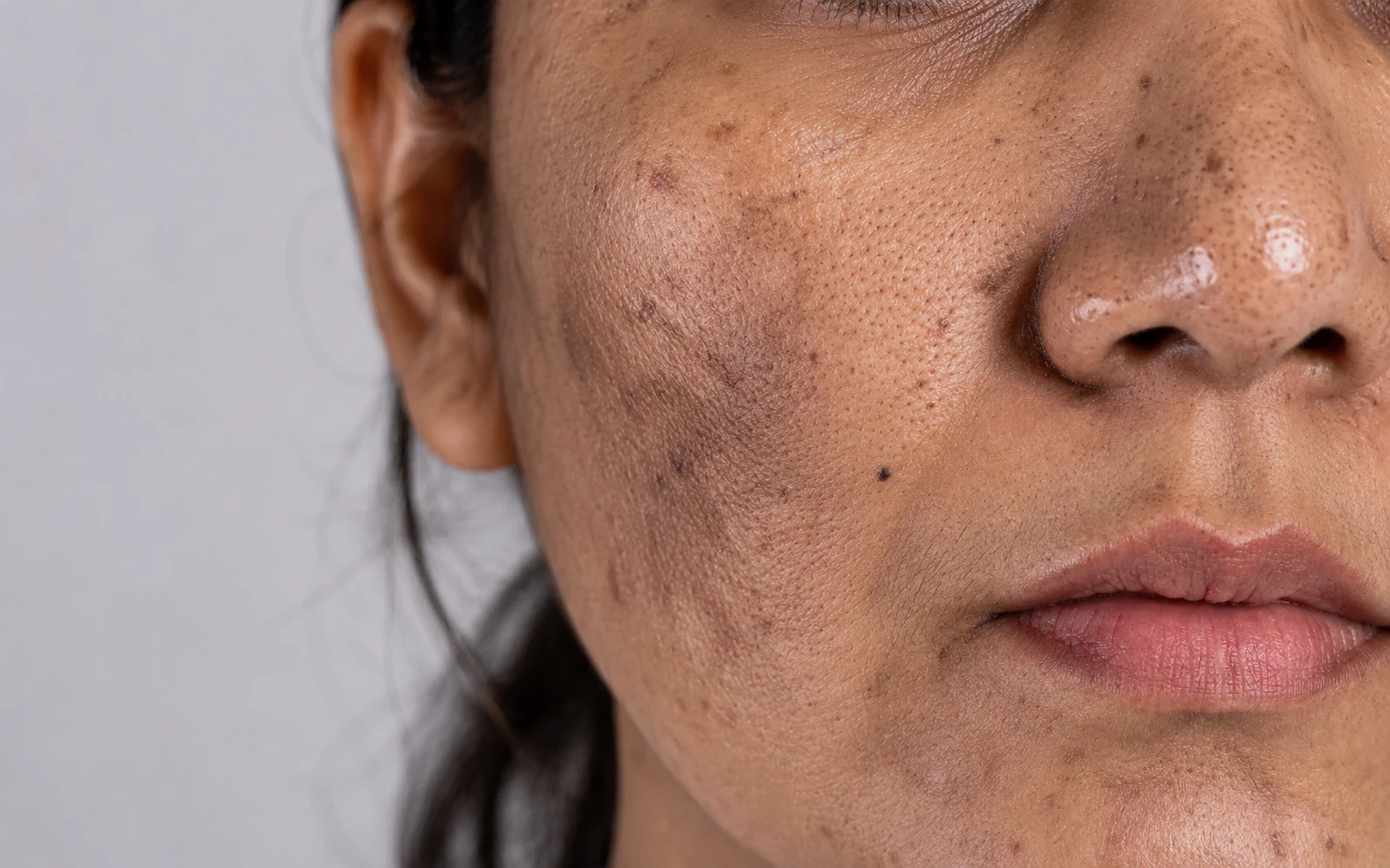
Dry, ashy patches on melanin-rich skin aren't just about needing more moisturizer. Your skin has unique needs that most mainstream products simply weren't designed to address. While melanin provides natural protection against UV damage, it also comes with specific hydration challenges that require targeted solutions. Understanding how to combat melanin rich skin dryness effectively means recognizing that your skin's barrier function, water retention, and response to products work differently than lighter skin tones. The good news? Once you know what your skin actually needs, achieving that smooth, hydrated glow becomes much more straightforward.
• Melanin-rich skin may have lower ceramide levels and faster water loss, making targeted hydration essential.
• Focus on barrier-repair ingredients like ceramides, hyaluronic acid, and gentle oils rather than harsh exfoliants.
• Consistent routines with the right product textures prevent the dryness-hyperpigmentation cycle that affects darker skin tones.
Your skin's unique structure explains why standard moisturizers often fall short. Research suggests that melanin-rich skin may have lower natural ceramide levels, which are the lipids that keep your skin barrier intact and water locked in. This can mean faster transepidermal water loss, especially in dry climates or air-conditioned environments.
The melanin production process itself can affect skin barrier function. When your skin produces melanin in response to inflammation or UV exposure, it can temporarily disrupt the normal skin renewal cycle, leading to patches that feel rough or look ashy. This is why you might notice dryness appearing alongside dark spots or after breakouts.
Common triggers make this worse. Over-cleansing strips away natural oils your skin desperately needs. Harsh weather, from winter cold to summer air conditioning, pulls moisture from your skin faster than it can replace it. Even some skincare ingredients that work well on other skin types can be too drying for melanin-rich skin.
The Asaya Even Tone Face Cleanser addresses this with its low-pH, non-stripping formula that removes impurities without compromising your skin barrier. Its gentle gel texture cleanses effectively while maintaining the moisture balance your skin needs.
Building an effective routine means choosing products that work with your skin's natural processes, not against them. The key is layering hydration at every step while avoiding ingredients that can trigger more dryness or irritation.
Start with a gentle cleanser that doesn't strip your skin. Look for low-pH formulas that remove overnight buildup without leaving your skin feeling tight. Follow with a lightweight moisturizer that absorbs quickly but provides lasting hydration. Finish with broad-spectrum SPF 30 or higher, because sun damage can worsen both dryness and hyperpigmentation on melanin-rich skin.
Double cleansing removes makeup, sunscreen, and daily pollutants without over-scrubbing. Start with an oil-based cleanser if you wear makeup, then follow with your gentle daily cleanser. This is when you apply any treatment products with ceramides or hyaluronic acid. Finish with a richer moisturizer than your morning one to support overnight barrier repair.
The Asaya Even Evermore Creme works perfectly for this step, combining barrier-repair ceramides with hydrating ingredients that work while you sleep. Its deeply hydrating formula helps restore moisture levels that drop overnight.
Not all moisturizing ingredients work the same way on melanin-rich skin. Some humectants that work well on other skin types can actually pull moisture from your skin in dry environments. Understanding which ingredients truly help your skin retain water makes all the difference.
Ceramides are non-negotiable for melanin skin hydration. They literally rebuild your skin barrier, helping it hold onto water more effectively. Hyaluronic acid draws moisture from the environment and holds it in your skin, but it works best when layered under an occlusive moisturizer.
Shea butter and natural oils like jojoba or squalane provide both hydration and barrier protection. They're especially effective on the body, where melanin-rich skin tends to show dryness most obviously. Glycerin and other humectants work well when combined with barrier-repair ingredients.
Niacinamide deserves special mention because it supports skin barrier function while also helping with any hyperpigmentation that develops from chronic dryness. The Asaya 10% Niacinamide & 1% Alpha Arbutin Serum combines oil control with hydration support, making it ideal for combination skin that's dry in some areas but oily in others.
Thick creams work better than lightweight lotions for most melanin-rich skin, especially on the body. Your skin can handle and actually needs richer textures to maintain proper hydration levels. For the face, you might prefer lighter textures during the day and richer ones at night.
Ointments and balms work well for severely dry areas like elbows, knees, and heels. These areas on melanin-rich skin can become very ashy and rough without proper occlusive protection.
Dryness and dark spots often go hand in hand on melanin-rich skin, creating a cycle where each problem makes the other worse. Breaking this cycle requires treating both concerns simultaneously, not choosing between hydration and pigmentation correction.
When your skin is dry and irritated, it produces more melanin as a protective response. This is why you might notice dark spots appearing in areas that are chronically dry or rough. The inflammation from dryness triggers post-inflammatory hyperpigmentation, especially on melanin-rich skin that's already prone to this response.
Safe exfoliation helps, but it has to be gentle. Lactic acid twice weekly can remove dead skin cells that make dryness look worse, but over-exfoliating will make both dryness and hyperpigmentation worse. Your skin needs time to repair between exfoliation sessions.
Spot treatments for dry, dark patches work best when they combine hydrating and brightening ingredients. Look for products that address both concerns rather than using separate treatments that might conflict with each other.
Layering hydrating and brightening products requires the right order. Apply thinner, water-based treatments first, then seal them in with richer moisturizers. This prevents active ingredients from sitting on top of your skin where they can cause irritation.
Some of the most effective dryness remedies for dark skin come from ingredients you might already have at home. These natural options can supplement your regular routine or provide emergency relief when your skin feels particularly dry or irritated.
Honey acts as a natural humectant, drawing moisture to your skin and holding it there. Mix it with finely ground oatmeal for a gentle mask that hydrates while very lightly exfoliating dead skin cells. Leave this on for 10-15 minutes before rinsing with lukewarm water.
Aloe vera gel provides immediate soothing relief for dry, irritated skin. Look for pure aloe gel without added alcohol or fragrances. It works especially well on sun-exposed areas that feel dry and tight.
Coconut oil can work as an overnight treatment for very dry areas, but test it first since some people find it comedogenic on facial skin. It works better on the body, especially on areas like elbows and knees that tend to get very ashy.
A weekly hydrating mask can boost your skin's moisture levels between regular skincare routines. Mix honey, mashed avocado, and a few drops of jojoba oil for a deeply nourishing treatment. Apply to clean skin and leave for 15-20 minutes.
For body moisture, blend shea butter with a few drops of your favorite oil. This creates a rich treatment that's perfect for very dry skin on arms, legs, and other areas that show ashiness easily.
Many people unknowingly make their dryness worse by following advice that wasn't designed for melanin-rich skin. Avoiding these common mistakes can dramatically improve how your skin looks and feels.
Over-exfoliating is probably the biggest mistake. Your skin needs gentle, consistent care, not aggressive scrubbing or daily acid treatments. If your skin feels tight or looks irritated after exfoliating, you're doing it too often or too harshly.
Using products not formulated for darker skin tones often means dealing with ingredients that can cause irritation or don't address your skin's specific needs. This includes many mainstream moisturizers that don't provide enough barrier repair for melanin-rich skin.
Skipping sunscreen, even indoors, allows UV damage to worsen both dryness and hyperpigmentation. Windows don't block all UV rays, and some studies suggest blue light from screens can also contribute to skin damage over time.
Inconsistent routine application means your skin never gets the chance to fully repair and maintain proper hydration levels. Your skin needs consistent care to build and maintain a healthy barrier.
Mixing too many active ingredients can overwhelm your skin and cause irritation that leads to more dryness and potential hyperpigmentation. Start with basics and add treatments gradually.
Focus on ceramide-rich moisturizers, gentle cleansing, and consistent hydration. Use thicker creams on the body and lighter formulations on the face. The key is choosing products that rebuild your skin barrier rather than just sitting on top of your skin.
Combine gentle hydration with barrier repair ingredients like ceramides and hyaluronic acid. Maintain consistent routines and protect with daily SPF. Avoid harsh ingredients that can trigger inflammation and subsequent hyperpigmentation.
Shea butter, aloe vera, honey, and natural oils like jojoba provide effective hydration without irritation for melanin-rich skin. These ingredients work well as supplements to your regular routine or as emergency treatments.
While some natural ingredients can help with skin tone, there isn't strong scientific evidence to suggest that curd specifically decreases melanin production. It's best to focus on proven skincare ingredients and practices for managing melanin and hyperpigmentation.
There is no single fruit that definitively decreases melanin production. While some fruits contain antioxidants and vitamins that can support overall skin health, they are not a direct method for reducing melanin. Focusing on sun protection and targeted treatments is more effective.
Yes, dry skin can trigger inflammation leading to post-inflammatory hyperpigmentation. Proper hydration helps prevent this cycle by keeping your skin barrier intact and reducing inflammatory responses.
Combating melanin rich skin dryness effectively requires understanding your skin's unique needs and choosing products that work with them. Consistency matters more than expensive products or complicated routines. Focus on gentle cleansing, barrier repair, and protection from environmental damage.
The most effective approach combines the right ingredients with proper application techniques. Your skin needs time to repair and rebuild its natural moisture barrier, so be patient with new routines and give them at least 4-6 weeks to show full results.
Asaya's MelaMe™ Complex represents a breakthrough in treating the interconnected concerns of dryness and hyperpigmentation on melanin-rich skin. This advanced, melanin-first molecule works by breaking down excess melanin deposits into re-absorbable amino acids while inhibiting future melanin overproduction. Within 2 weeks of regular use, it helps restore pigment balance while supporting overall skin barrier function, addressing both the dryness and dark spots that often occur together on melanin-rich skin.
