


What Does Hydrating Serum Do? Your Questions Answered
Your Cart
0You May Also Like
Your skin feels tight after washing your face, and that expensive moisturizer just isn't cutting it anymore. You've probably heard about hydrating serums, but what exactly do they do that your regular skincare routine can't handle? The truth is, hydrating serums work differently than any other product in your bathroom cabinet. They're like a drink of water for thirsty skin cells, delivering moisture where it's needed most. Whether you're dealing with dry patches, oily skin that still feels dehydrated, or just want that natural glow everyone's talking about, understanding what hydrating serum does can completely transform your skincare game.
A hydrating serum is a lightweight, water-based treatment packed with moisture-binding ingredients in high concentrations. Think of it as the difference between a glass of water and a vitamin-packed energy drink. While regular moisturizers sit on your skin's surface, hydrating serums have smaller molecules that can actually penetrate deeper into your skin layers.
The science behind this is pretty fascinating. Hydrating serum ingredients like hyaluronic acid and glycerin work as humectants, which means they grab moisture from the air and deeper skin layers, then lock it in place. This creates a moisture reservoir that keeps working long after you've applied the serum.
Regular creams have larger molecules that form a protective barrier on top of your skin. Serums, however, are formulated with smaller molecules that can slip between skin cells and deliver hydration where it's actually needed. This is why a few drops of serum can feel more effective than slathering on thick cream.
So what does hydrating serum do that makes it worth adding to your routine? The benefits go way beyond just making your skin feel less dry. Let's break down exactly how these little bottles of magic transform your complexion.
The benefits of hydrating serum extend from immediate relief to long-term skin health improvements. Here's what you can expect when you start using one consistently.
Unlike moisturizers that work mainly on the surface, hydrating serums penetrate multiple skin layers simultaneously. This means your skin gets hydrated from the inside out, creating that plump, healthy look that lasts all day.
When skin cells are properly hydrated, they naturally plump up, which smooths out those annoying dehydration lines around your eyes and mouth. It's like giving your skin a mini facelift without any procedures.
A well-hydrated skin barrier is your first line of defense against pollution, UV damage, and other environmental stressors. Hydrating serums help rebuild and maintain this protective layer.
Dehydrated skin often looks dull and feels rough to the touch. Regular use of a face serum for hydration transforms this texture, giving you that smooth, glowing complexion that looks healthy even without makeup.
One of the biggest misconceptions about skincare is that only people with dry skin need extra hydration. The truth is, every skin type can benefit from a good hydrating serum, but the way it helps varies depending on your specific needs.
Whether you're dealing with oil overproduction, chronic dryness, or that confusing combination of both, there's a way to make hydrating serums work for you.
Hydrating serum for dry skin addresses the root cause of that tight, uncomfortable feeling you get after cleansing. It provides deep, long-lasting moisture that prevents flaking and irritation throughout the day.
Here's something that might surprise you: hydrating serum for oily skin can actually help control excess oil production. When your skin is dehydrated, it overproduces oil to compensate. A lightweight hydrating serum provides the moisture your skin needs without clogging pores.
Dry skin lacks oil, while dehydrated skin lacks water. A serum for dehydrated skin focuses on water-binding ingredients that restore moisture balance without adding heavy oils that might feel greasy.
Not all hydrating serum ingredients are created equal. Understanding what each ingredient does helps you choose the right serum for your specific skin needs and concerns.
The most effective hydrating serums combine multiple moisture-binding ingredients that work together to create lasting hydration.
This superstar ingredient can hold up to 1000 times its weight in water. Different molecular weights of hyaluronic acid penetrate different skin layers, providing both immediate and long-term hydration.
Glycerin draws moisture from both the environment and deeper skin layers, then helps maintain skin flexibility and smoothness. It's gentle enough for sensitive skin but powerful enough to make a real difference.
These lipids help rebuild your skin's protective barrier, preventing water loss and keeping irritants out. They're especially beneficial for skin that feels sensitive or reactive.
Knowing how to use hydrating serum properly can make the difference between seeing amazing results and wondering why you bothered buying it in the first place. The good news is, it's pretty straightforward once you know the basics.
Timing, technique, and layering all play important roles in getting the most out of your hydrating serum investment.
Apply hydrating serum to clean, slightly damp skin for maximum absorption. The best time is right after cleansing, when your skin is still moist but before applying moisturizer or sunscreen.
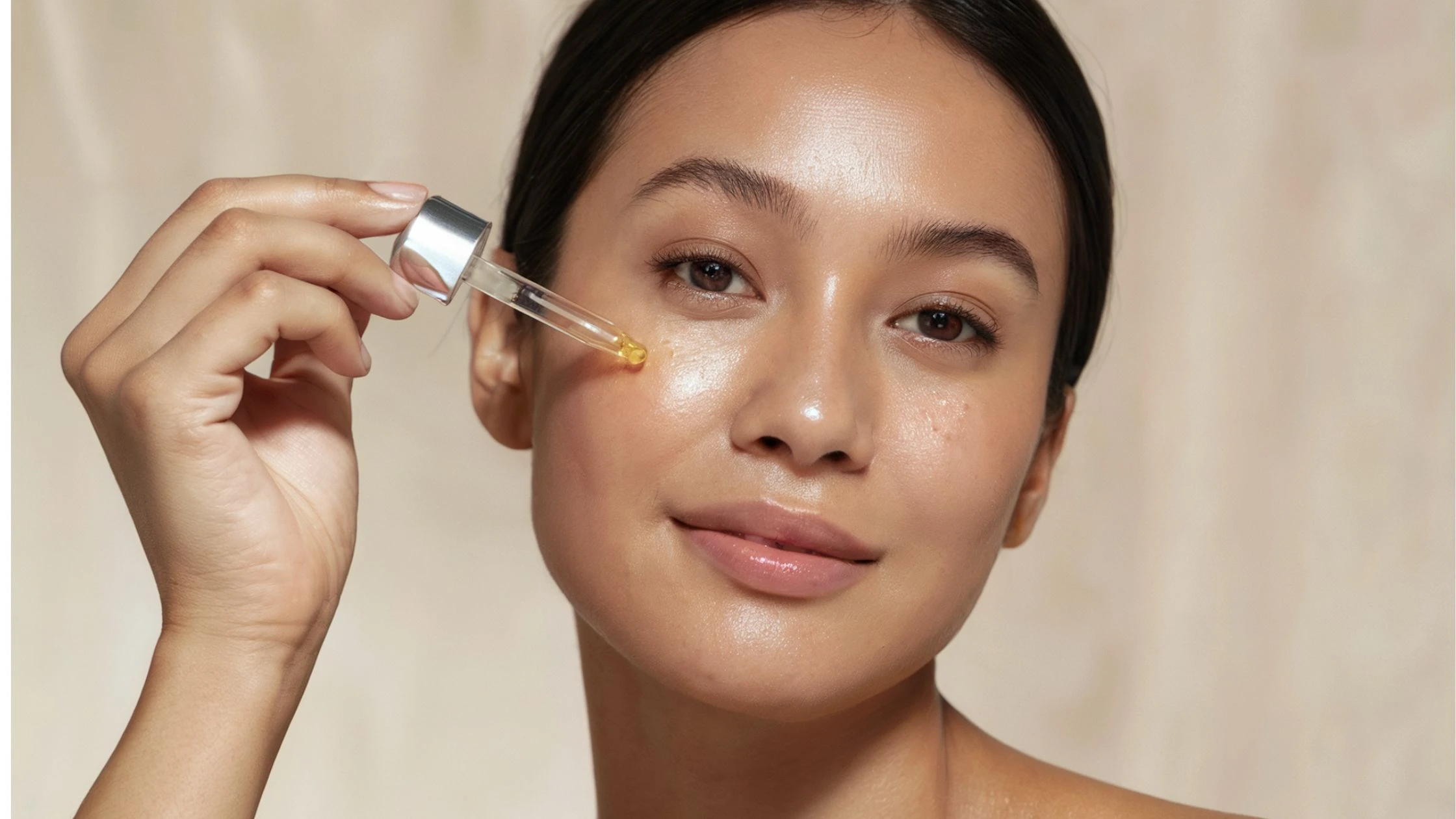
Use 2-3 drops for your entire face and gently pat the serum into your skin rather than rubbing it in. This patting motion helps the serum penetrate better without irritating your skin.
Most people can safely use hydrating serum twice daily, morning and evening. Start with once daily if you have sensitive skin, then gradually increase frequency as your skin adjusts.
The hydrating serum vs moisturizer debate confuses a lot of people, but they're actually designed to work together, not replace each other. Think of serum as the foundation and moisturizer as the protective top coat.
Serums deliver concentrated active ingredients deep into your skin, while moisturizers create a protective barrier on the surface. Using both gives you the benefits of deep hydration plus surface protection.
With so many options available, finding the best hydrating serum for your specific skin type and concerns can feel overwhelming. The key is understanding what ingredients work best for your particular situation.
Look for serums with multiple hydrating ingredients rather than relying on just one superstar component. This gives you better, more lasting results.
Consider your skin type, climate, and other products in your routine when choosing a hydrating serum. What works in humid Mumbai might need adjustment for drier climates.
Ingredients are listed in order of concentration, so hydrating ingredients should appear near the top of the list. Avoid serums with alcohol high on the ingredient list, as this can be drying.
Yes, well-hydrated skin is better equipped to handle other treatments and can actually enhance the effectiveness of ingredients that target pigmentation, acne, or aging. Hydrated skin also heals faster and shows less irritation from active ingredients.
The main risk is using too much product or choosing the wrong formulation for your skin type. Some people experience breakouts if they use heavy serums on oily skin, or irritation if they introduce too many new products at once.
You should notice immediate improvements in skin texture and comfort within a few days. Longer-term benefits like improved fine lines and overall skin health typically become visible after 2-4 weeks of consistent use.
Most hydrating serums play well with other skincare ingredients. In fact, using a hydrating serum can help reduce irritation from stronger actives like retinoids or acids. Apply the hydrating serum first, then follow with your other treatments.
Price doesn't always indicate effectiveness. Many affordable serums contain the same key ingredients as luxury versions. Focus on the ingredient list and concentration rather than the price tag or fancy packaging.
Hydrating serums do much more than just add moisture to your skin. They penetrate deeper than regular moisturizers, deliver concentrated active ingredients, and help strengthen your skin's natural barrier. Whether you have dry, oily, or combination skin, the right hydrating serum can transform your complexion by addressing dehydration at its source.
Remember that consistency is key when it comes to seeing real results. Start with a simple formulation, use it regularly, and give your skin time to adjust and improve. Your future self will thank you for taking the time to understand what your skin really needs.
