


What Causes Pigmentation: A Step-by-Step Guide to Understanding Skin Discoloration
Your Cart
0You May Also Like
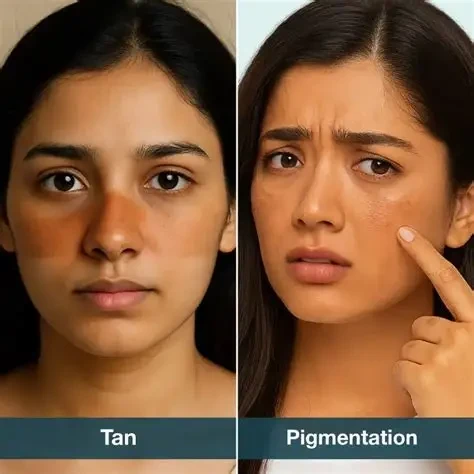
Have you ever wondered why certain areas of your skin appear darker than others? What causes pigmentation is one of the most common skincare questions, and understanding the answer can help you take better care of your skin. Pigmentation occurs when your skin produces too much melanin in specific areas, creating those frustrating dark spots and uneven patches. From sun damage to hormonal changes, various factors contribute to skin discoloration causes. This guide will walk you through everything you need to know about pigmentation, helping you identify the root causes and understand how your skin works.
Your skin's color comes from a pigment called melanin, which is produced by special cells called melanocytes. These cells work like tiny factories, creating melanin to protect your skin from harmful UV rays. When everything works normally, melanin spreads evenly across your skin, giving you a consistent tone.
However, sometimes these melanocytes go into overdrive. They start producing too much melanin in certain spots, leading to skin discoloration causes that show up as dark patches. Think of it like a printer that's running low on ink in some areas but overflowing in others. Some people are naturally more prone to skin pigmentation disorders due to their genetics, skin type, or lifestyle factors.
Understanding what causes pigmentation requires looking at the main triggers that make your melanocytes work overtime. Each cause creates a different type of pigmentation, and knowing which one affects you helps determine the best approach for treatment.
The sun is the biggest culprit behind most pigmentation issues. When UV rays hit your skin, they trigger your melanocytes to produce extra melanin as a defense mechanism. Over time, this leads to sunspots causes that appear as brown or black patches on areas that get the most sun exposure, like your face, hands, and shoulders.
Hormonal pigmentation often appears during pregnancy, when taking birth control pills, or during menopause. This type of pigmentation, called melasma, typically shows up as symmetrical patches on the forehead, cheeks, and upper lip. The hormones estrogen and progesterone make your skin more sensitive to sun exposure, leading to darker patches.
Post inflammatory hyperpigmentation happens after your skin experiences trauma or inflammation. This could be from acne, cuts, burns, or even aggressive skincare treatments. When your skin heals, it sometimes produces extra melanin in that area, leaving behind a dark spot that can last for months or even years.
Your genes play a huge role in determining how prone you are to pigmentation issues. If your parents or grandparents dealt with age spots or other pigmentation problems, you're more likely to experience them too. Certain ethnic backgrounds are also more susceptible to specific types of pigmentation disorders.
Sometimes, skin pigmentation disorders stem from underlying health conditions rather than external factors. These medical causes often require different treatment approaches than typical sun damage or hormonal pigmentation.
Thyroid disorders can cause changes in skin color, making some areas darker or lighter than normal. Diabetes sometimes leads to a condition called acanthosis nigricans, which creates dark, velvety patches in skin folds. Certain medications, including some antibiotics and chemotherapy drugs, can also trigger pigmentation changes. If you notice sudden or widespread changes in your skin color, it's worth discussing with a healthcare provider to rule out any underlying conditions.
As we get older, our skin becomes less efficient at repairing itself and distributing melanin evenly. This is why age spots become more common after age 40. Years of sun exposure catch up with us, and those UV rays we absorbed in our teens and twenties start showing up as dark spots on our face, hands, and chest.
The skin also becomes thinner with age, making pigmentation more visible. What might have been barely noticeable dark spots in your twenties can become much more prominent in your forties and beyond. This is completely normal, but understanding the process helps you take preventive steps and choose appropriate treatments.
The good news about what causes pigmentation is that many of these causes are preventable or treatable. The key is understanding which type of pigmentation you're dealing with and addressing it appropriately.
Prevention is always easier than treatment when it comes to pigmentation. Using broad-spectrum sunscreen every day is the most important step you can take. Even on cloudy days, UV rays can penetrate through windows and clouds, triggering melanin production.
Hyperpigmentation treatment varies depending on the cause and severity of your pigmentation. Gentle ingredients like vitamin C, kojic acid, and alpha arbutin can help fade existing spots while preventing new ones. For stubborn pigmentation, stronger treatments like chemical peels or laser therapy might be necessary.
Sun exposure is the most common cause of pigmentation. UV rays trigger excess melanin production, leading to dark spots and uneven skin tone. However, hormonal changes, inflammation, and genetics also play significant roles.
Some types of pigmentation, especially post inflammatory hyperpigmentation, can fade naturally over time. However, sun damage and age spots typically require active treatment to see significant improvement.
Sudden pigmentation can result from hormonal changes, new medications, increased sun exposure, or underlying health conditions. If you notice rapid changes in your skin color, consider consulting a dermatologist.
The timeline for pigmentation fading depends on the cause and treatment method. Mild pigmentation might improve in 6-8 weeks with consistent treatment, while deeper pigmentation can take several months to show significant results.
Understanding what causes pigmentation empowers you to make informed decisions about your skincare routine and treatment options. Whether you're dealing with sun damage, hormonal changes, or age-related spots, the key is identifying the root cause and addressing it consistently. Remember that pigmentation treatment requires patience and persistence, but with the right approach, you can achieve more even, radiant skin. Prevention through daily sun protection remains your best defense against future pigmentation issues.
