


Ultimate Guide: Natural Skin Hydration Secrets
Your Cart
0You May Also Like
Achieving radiant, healthy skin starts with understanding how to maintain proper hydration levels naturally. Your skin is your body's largest organ, and when it's properly hydrated, it glows with vitality and feels soft to the touch. Many people struggle with dull, tight, or flaky skin without realizing that the solution lies in mastering natural hydration techniques. The good news is that you can transform your skin using simple, natural methods that work from both inside and out. Whether you're dealing with occasional dryness or chronic dehydration, this guide will show you proven strategies to restore your skin's natural moisture balance and maintain that healthy glow year-round.
Before diving into solutions, it's essential to understand what skin hydration really means and why it's different from simply applying moisturizer. Your skin contains natural water content that keeps it plump, elastic, and healthy-looking.
Your skin's outer layer, called the stratum corneum, acts like a protective barrier. When this barrier functions properly, it holds water in and keeps irritants out. Think of it like a brick wall where skin cells are the bricks and natural lipids are the mortar. When this structure is intact, your skin stays naturally hydrated and protected.
Many people confuse dehydrated skin with dry skin, but they're actually different conditions. Dehydrated skin lacks water content and can affect any skin type, even oily skin. Dry skin, on the other hand, lacks natural oils and is typically a skin type you're born with. Understanding this difference helps you choose the right approach for your specific needs.
When your skin maintains optimal hydration levels, you'll notice several amazing benefits. Your complexion appears more radiant and even-toned. Fine lines become less noticeable because hydrated skin is plumper and more elastic. Your skin also becomes more resilient against environmental stressors and heals faster from minor irritations.
True skin hydration starts from within your body. What you consume directly impacts how your skin looks and feels. Your skin cells need adequate water and nutrients to function optimally and maintain their natural moisture levels.
Drinking enough water is the foundation of internal hydration for skin. Aim for at least eight glasses of water daily, but increase this amount if you're active or live in a dry climate. Your skin cells are about 30% water, so staying hydrated helps maintain their structure and function.
Certain foods naturally boost your skin's hydration from the inside out. Watermelon, cucumber, and oranges have high water content plus vitamins that support skin health. Fatty fish like salmon provides omega-3 fatty acids that help maintain your skin barrier. Avocados contain healthy fats and vitamin E that nourish skin cells.
Vitamin C helps your body produce collagen, which keeps skin firm and hydrated. Vitamin E protects skin cells from damage while supporting moisture retention. Hyaluronic acid, found naturally in your body, can hold up to 1,000 times its weight in water. You can support your body's natural production through a balanced diet rich in bone broth and leafy greens.
A consistent daily routine is key to maintaining optimal skin hydration. Your skin hydration routine should be simple yet effective, using gentle methods that support your skin's natural processes rather than disrupting them.
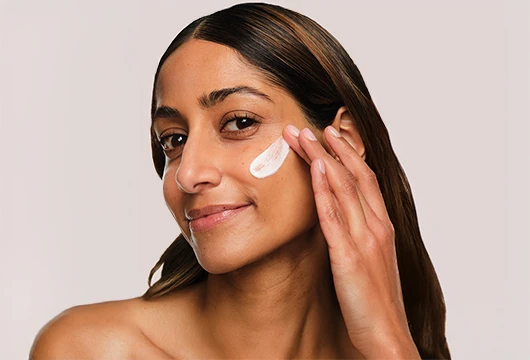
Start your day by drinking a large glass of water to rehydrate after sleep. Gently cleanse your face with lukewarm water, avoiding hot temperatures that can strip natural oils. Apply a lightweight, natural moisturizer while your skin is still slightly damp to lock in moisture.
Your evening routine should focus on repair and deep hydration. Remove makeup and impurities with a gentle, oil-based cleanser. Follow with a more nourishing moisturizer or natural oil like jojoba or rosehip seed oil. These oils closely mimic your skin's natural sebum and absorb easily without clogging pores.
Once or twice weekly, treat your skin to deeper hydration with natural masks or treatments. A simple honey mask provides antibacterial benefits while drawing moisture to your skin. Oatmeal masks gently exfoliate while soothing irritation and adding moisture.
Nature provides some of the most effective ingredients for skin hydration. These natural moisturizers work with your skin's biology rather than against it, providing lasting hydration without harsh chemicals or synthetic additives.
Different natural oils serve different hydration needs. Jojoba oil is technically a wax ester that closely matches your skin's natural sebum. Argan oil is rich in vitamin E and essential fatty acids. Rosehip seed oil contains natural retinoids that support skin renewal while providing moisture.
Your kitchen likely contains several powerful hydrating ingredients. Raw honey is a natural humectant that draws moisture from the air to your skin. Aloe vera gel provides immediate cooling relief while delivering deep hydration. Coconut oil works well for body hydration, though it may be too heavy for facial use.
Create effective treatments using simple ingredients. Mix mashed avocado with honey for a nourishing face mask. Combine oatmeal with milk for a gentle, hydrating scrub. These treatments provide immediate relief while supporting long-term skin health.
Sometimes you need fast-acting solutions for severely dehydrated skin. These techniques provide rapid relief while supporting your skin's natural healing processes.
For immediate relief, apply a thick layer of natural aloe vera gel and let it absorb completely. Follow with a few drops of facial oil pressed gently into your skin. Use a humidifier in your bedroom to add moisture to the air while you sleep.
Create an overnight treatment by mixing a few drops of your favorite facial oil with your regular moisturizer. Apply this mixture generously before bed, focusing on particularly dry areas. Your skin repairs itself during sleep, making nighttime the perfect opportunity for intensive hydration.
Most people notice improvements within 3-7 days of consistent natural hydration practices. However, significant changes in skin texture and appearance typically become visible after 2-4 weeks of maintaining a proper routine.
While rare, it's possible to overwhelm your skin with too many products. Signs include increased sensitivity, breakouts, or a feeling of heaviness. If this happens, simplify your routine and focus on one or two key hydrating ingredients.
Apply moisturizers to slightly damp skin for maximum absorption. The best times are immediately after cleansing and within three minutes of showering when your skin is still moist.
Natural ingredients are often gentler and work well with your skin's natural processes. However, the key is finding ingredients that work for your specific skin type and concerns, whether natural or otherwise.
Your diet directly impacts skin health. Foods high in water content, healthy fats, and antioxidants support natural hydration. Limiting processed foods, excess sugar, and alcohol can also improve your skin's ability to retain moisture.
Achieving natural skin hydration is a holistic process that combines internal and external care. Focus on drinking adequate water, eating hydrating foods, and using gentle, natural products that support your skin's barrier function. Remember that consistency is more important than perfection – small daily actions compound over time to create lasting results. Your skin has an amazing ability to heal and regenerate when given the right support through natural hydration methods.
