


Skin Barrier FAQ: Redness & Sensitivity Explained
Your Cart
0You May Also Like
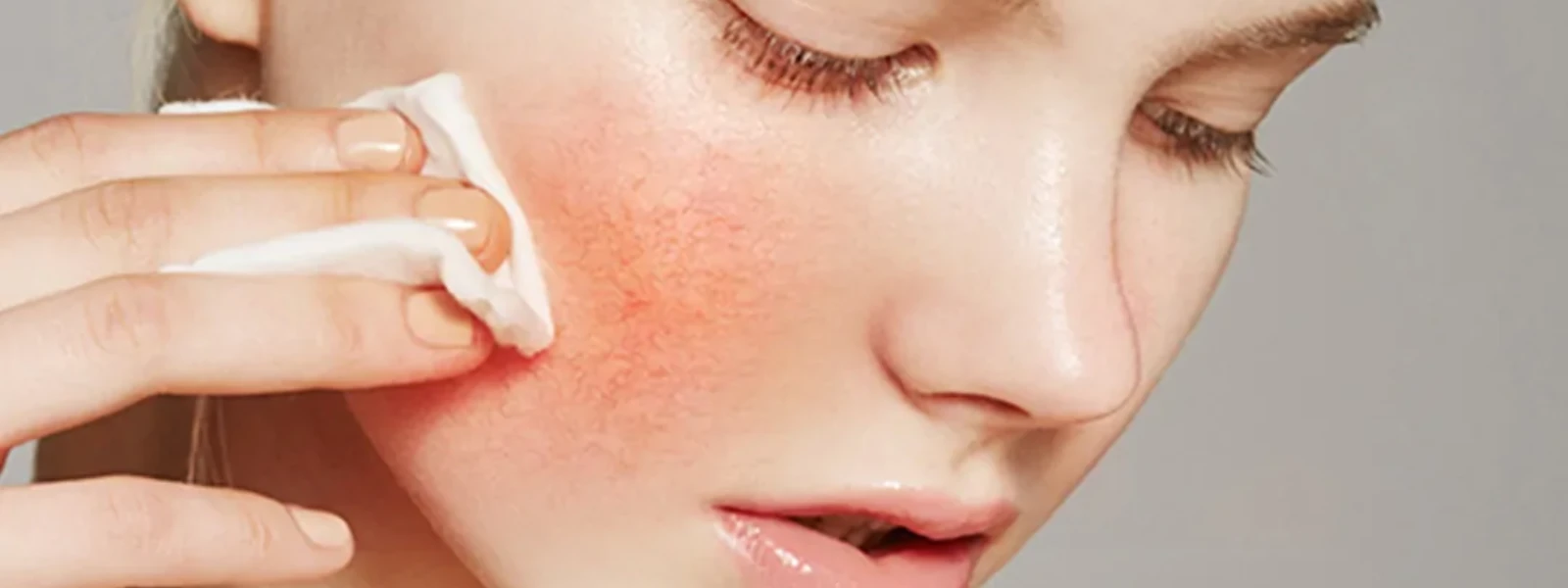
Your skin feels like it's constantly on edge. A gentle breeze makes it sting, your usual moisturizer suddenly burns, and that persistent redness just won't fade. If this sounds familiar, you're likely dealing with a compromised skin barrier. This protective layer is your skin's first line of defense, and when it's damaged, everything becomes an irritant. Understanding why this happens and how to fix it can help you get back to comfortable, calm skin. Asaya's approach to barrier repair focuses on gentle, science-backed ingredients that work specifically with melanin-rich skin's unique needs.
A damaged skin barrier allows irritants to penetrate easily, triggering inflammation that shows up as redness and sensitivity
Common causes include over-exfoliation, harsh products, environmental stress, and certain skin conditions like eczema or rosacea
Repair takes 2-4 weeks with gentle care, barrier-supporting ingredients like ceramides and niacinamide, and consistent protection
Your skin barrier is like a brick wall made of skin cells (the bricks) held together by lipids (the mortar). This structure keeps moisture in and irritants out. When functioning properly, it maintains your skin's hydration levels and protects against environmental damage, bacteria, and allergens.
The barrier's effectiveness depends on its lipid composition, particularly ceramides, cholesterol, and fatty acids. These work together to create a waterproof seal. When this seal is intact, your skin feels comfortable and looks healthy. When it's compromised, everything changes.
A healthy barrier acts like a selective filter, allowing beneficial ingredients in while keeping harmful substances out. When damaged, this selectivity breaks down. Your skin becomes permeable to irritants that would normally bounce right off, leading to increased sensitivity and reactivity.
When your skin barrier is compromised, it loses water rapidly through a process called transepidermal water loss (TEWL). This dehydration signals your immune system that something's wrong, triggering an inflammatory response. The result? Redness, heat, and that uncomfortable tight feeling.
Irritants that penetrate the damaged barrier activate immune cells called mast cells. These release inflammatory chemicals like histamine and cytokines, which dilate blood vessels near the skin's surface. This dilation is what creates the visible redness and can make your skin feel warm or burning.
The skin around your eyes, nose, and cheeks has a naturally thinner barrier, making these areas more prone to redness when compromised. This explains why sensitivity often shows up first in these zones, even if the damage started elsewhere.
Barrier damage doesn't always announce itself dramatically. Sometimes it creeps up gradually, making it easy to miss the early signs. Here's what to watch for:
Persistent redness that doesn't fade with your usual skincare routine is often the first sign. This isn't the temporary flush from a workout, but a lingering pink or red tone that seems to stick around. Increased sensitivity to products you've used before is another key indicator. Your favorite serum suddenly stings, or your moisturizer feels heavy and irritating.
Physical symptoms include dryness and flaking that doesn't improve with regular moisturizing, a rough or bumpy texture, and that tight feeling that never quite goes away. Many people also experience burning or stinging sensations when applying products, even gentle ones.
Understanding what damages your barrier helps prevent future problems. Over-exfoliation is one of the biggest culprits. Using acids daily, combining multiple exfoliating products, or scrubbing too aggressively strips away the protective lipids faster than your skin can replace them.
Environmental factors play a huge role too. Air conditioning, heating, pollution, and UV exposure all stress the barrier. Even hot showers can strip away protective oils, leaving your skin vulnerable.
Harsh cleansers, especially those with sulfates, can disrupt the barrier's delicate balance. Alcohol-heavy toners, strong fragrances, and incompatible active ingredients can also cause problems. The key is understanding your skin's tolerance levels and not pushing past them.
Conditions like eczema and rosacea involve inherent barrier dysfunction. People with these conditions have naturally compromised barriers that require extra gentle care and specific treatment approaches.
Repairing a damaged barrier requires patience and the right approach. Most people see noticeable improvement within 2-4 weeks of consistent gentle care, though complete restoration can take longer depending on the severity of damage.
Start by simplifying your routine drastically. Strip back to just a gentle cleanser, a barrier-repair moisturizer, and sunscreen during the day. This gives your skin a chance to heal without additional stress from active ingredients.
Ceramides are essential building blocks that help restore the barrier's structure. Niacinamide reduces inflammation while supporting barrier function. Hyaluronic acid helps maintain hydration levels, while peptides can support the skin's natural repair processes.
Layer these ingredients properly for maximum benefit. Apply water-based products first, followed by oil-based ones to seal everything in. Always finish with a protective moisturizer to prevent further water loss.
Different conditions require slightly different approaches to barrier repair. Eczema involves genetic factors that affect barrier proteins, making the skin naturally more permeable. People with eczema need extra-gentle products and may benefit from prescription treatments alongside barrier-supportive skincare.
Rosacea combines barrier dysfunction with vascular reactivity, making the skin both sensitive and prone to flushing. Anti-inflammatory ingredients like niacinamide and gentle, fragrance-free formulations work best.
Dehydrated skin lacks water, while dry skin lacks oil. Both can compromise the barrier, but they need different treatment approaches. Dehydrated skin benefits from humectants like hyaluronic acid, while dry skin needs more occlusive ingredients to prevent water loss.
Once your barrier is repaired, maintaining its health becomes the priority. Use lukewarm water for cleansing, not hot. Choose gentle, pH-balanced cleansers that won't strip your skin. Always apply moisturizer to slightly damp skin to lock in hydration.
Introduce active ingredients slowly and one at a time. Start with lower concentrations and gradually increase as your skin builds tolerance. Never use multiple exfoliating products on the same day, and always follow acids with barrier-supportive ingredients.
Simplify your routine to gentle cleanser, barrier-repair moisturizer, and SPF. Use anti-inflammatory ingredients like niacinamide and avoid all exfoliating products until the redness subsides. Consistency for 2-4 weeks typically shows significant improvement.
A damaged skin barrier typically takes 2-4 weeks to show significant improvement with consistent gentle care. Complete restoration may take 6-8 weeks depending on damage severity and your skin's natural healing rate.
A damaged barrier allows irritants to penetrate easily, causing increased sensitivity, redness, inflammation, and burning sensations. Your skin becomes reactive to products and environmental stressors that wouldn't normally bother you.
Salicylic acid can damage the skin barrier when overused or used in high concentrations. Start with 0.5-1% formulations 2-3 times weekly and always follow with barrier-repair moisturizers to prevent damage.
Asaya's gentle formulations are designed to work with sensitive, melanin-rich skin without causing additional irritation. The brand focuses on barrier-friendly ingredients that support skin health while addressing pigmentation concerns.
A compromised skin barrier doesn't have to be a permanent problem. With the right approach and patience, you can restore your skin's protective function and get back to comfortable, healthy skin. The key is understanding what caused the damage and avoiding those triggers while supporting your skin's natural healing processes.
Remember that barrier repair is a gradual process. Don't expect overnight results, but do expect steady improvement with consistent care. Focus on gentle, science-backed ingredients and give your skin the time it needs to heal. Asaya's MelaMe™ Complex represents advanced skincare engineering designed to work with melanin-rich skin's unique needs. This melanin-first molecule has been designed to visibly treat discoloration and restore pigment balance within 2 weeks of regular use. While primarily targeting pigmentation, MelaMe™'s gentle, research-backed approach supports overall skin health without compromising barrier function, making it suitable for sensitive skin that's in recovery mode.
