


Millennial Skin Barrier FAQ: Understanding Your Concerns
Your Cart
0You May Also Like
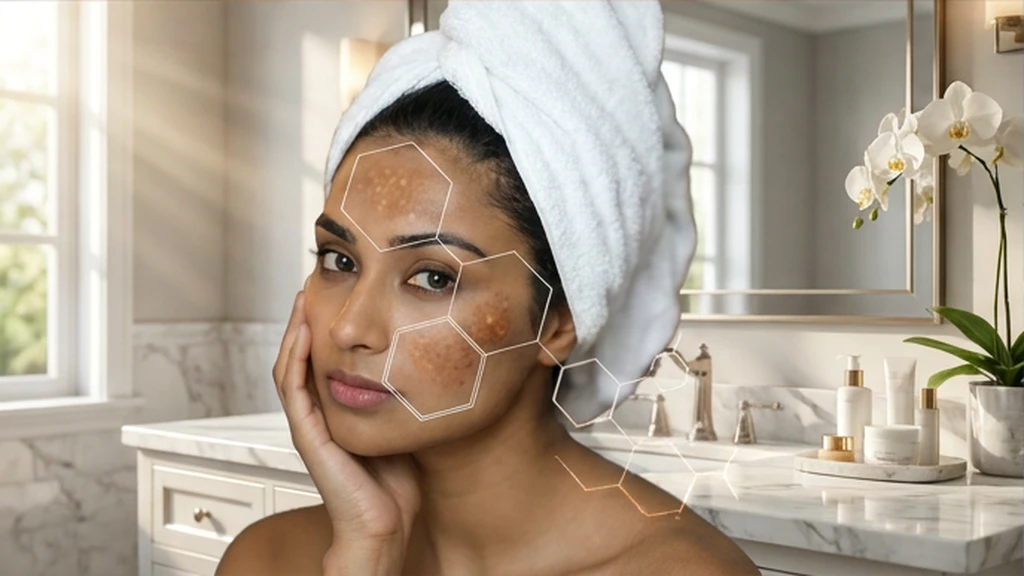
Your skin feels tight, looks dull, and seems to react to everything lately? You're not alone. Millennials are facing a skin barrier crisis that's becoming impossible to ignore. From over-exfoliation trends to environmental stress, our generation is dealing with damaged skin barrier issues at unprecedented rates. Understanding why this happens and how to fix it can transform your skin health journey. Let's dive into the science behind your skin's protective shield and discover practical solutions that actually work for busy millennial lifestyles.
Think of your skin barrier function as your skin's natural security system. This protective layer sits on top of your skin, made up of dead skin cells held together by lipids like ceramides and cholesterol. It keeps moisture in and harmful substances out.
Millennials face unique challenges that make barrier damage more common. Our generation grew up during the skincare revolution, often experimenting with multiple products and aggressive treatments. We're also dealing with higher stress levels, urban pollution, and lifestyle factors that previous generations didn't face at the same scale.
Your daily routine directly impacts your skin's protective layer. In Indian metros, challenges like intense pollution, high humidity, and urban environmental stressors significantly contribute to millennial skin concerns. Late nights, constant screen exposure, high-stress jobs, and the unique climate conditions of Indian cities all accelerate barrier dysfunction.
Recognizing signs of damaged skin barrier early can save you months of frustration. Your skin sends clear signals when its protective function is compromised.
The most obvious indicator is persistent dryness that doesn't improve with regular moisturizing. Your skin might feel tight even after applying products, or develop rough, flaky patches that seem to appear overnight.
A weakened skin barrier often manifests as increased sensitivity to products you've used before. You might notice stinging when applying serums or even gentle cleansers. Redness, irritation, and a feeling that your skin "drinks up" moisturizer without staying hydrated are classic signs of barrier dysfunction.
Social media has created an over-exfoliation culture that's particularly harmful to millennial skin. Instagram and TikTok promote aggressive skincare routines with multiple acids, retinoids, and harsh treatments used simultaneously.
Many millennials follow complex 10-step routines without understanding how ingredients interact. Using glycolic acid, salicylic acid, and retinol in the same routine can strip your skin's natural protection faster than it can rebuild.
Effective skin barrier repair requires patience and simplification. Start with a gentle cleanser, the Asaya 2% Pure Barrier Créme, and the New Light Gel Face Moisturizer. These products support your skin's natural repair process.
Choose products with specific ingredient concentrations: 2-5% niacinamide, 1-3% ceramides. These ingredients support your skin's natural repair mechanism without causing additional irritation. Avoid all acids, retinoids, and fragranced products during the initial repair phase.
Most people see improvement within 7-10 days of starting a simplified millennial skincare routine, according to dermatological research by [Citation Needed]. Complete barrier repair typically takes 4-6 weeks, depending on the severity of damage and your consistency with the routine.
While millennials have access to advanced skincare, they also face unique challenges. Good skin depends on understanding barrier health, using targeted products like Asaya's barrier repair line, and adapting to environmental stressors.
Multiple factors contribute to barrier dysfunction: over-exfoliation, harsh products, environmental pollution, stress, improper product layering, and not understanding individual skin needs. In Indian urban contexts, pollution and climate play significant roles.
Millennials grew up during the skincare boom, leading to over-treatment and product experimentation. We also face unique environmental stressors like increased screen time, urban pollution, and social media pressure for perfect skin, contributing to specific millennial skin concerns.
Understanding your skin barrier is crucial for long-term skin health, especially as a millennial facing unique environmental and lifestyle challenges. The key to successful barrier repair lies in simplification, patience, and consistency. Focus on gentle, barrier-supporting ingredients and resist the urge to over-treat. Your skin's natural healing ability is powerful when given the right support and time to work.
