


Hydrating Serum vs Moisturizer: What's Best?
Your Cart
0You May Also Like
Your skin feels tight, looks dull, and seems to drink up every product you apply. Sound familiar? You're not alone in wondering whether a hydrating serum vs moisturizer is the answer to your skin's thirst. The truth is, both products serve unique purposes in your skincare routine, and understanding their differences can transform how your skin looks and feels. While serums deliver concentrated hydration deep into your skin, moisturizers create a protective barrier to lock that moisture in. The best choice depends on your skin type, concerns, and even the season.
The serum vs moisturizer debate isn't about picking sides. It's about understanding how each product works differently to hydrate your skin. Think of serums as the delivery system and moisturizers as the security guard that keeps everything in place.
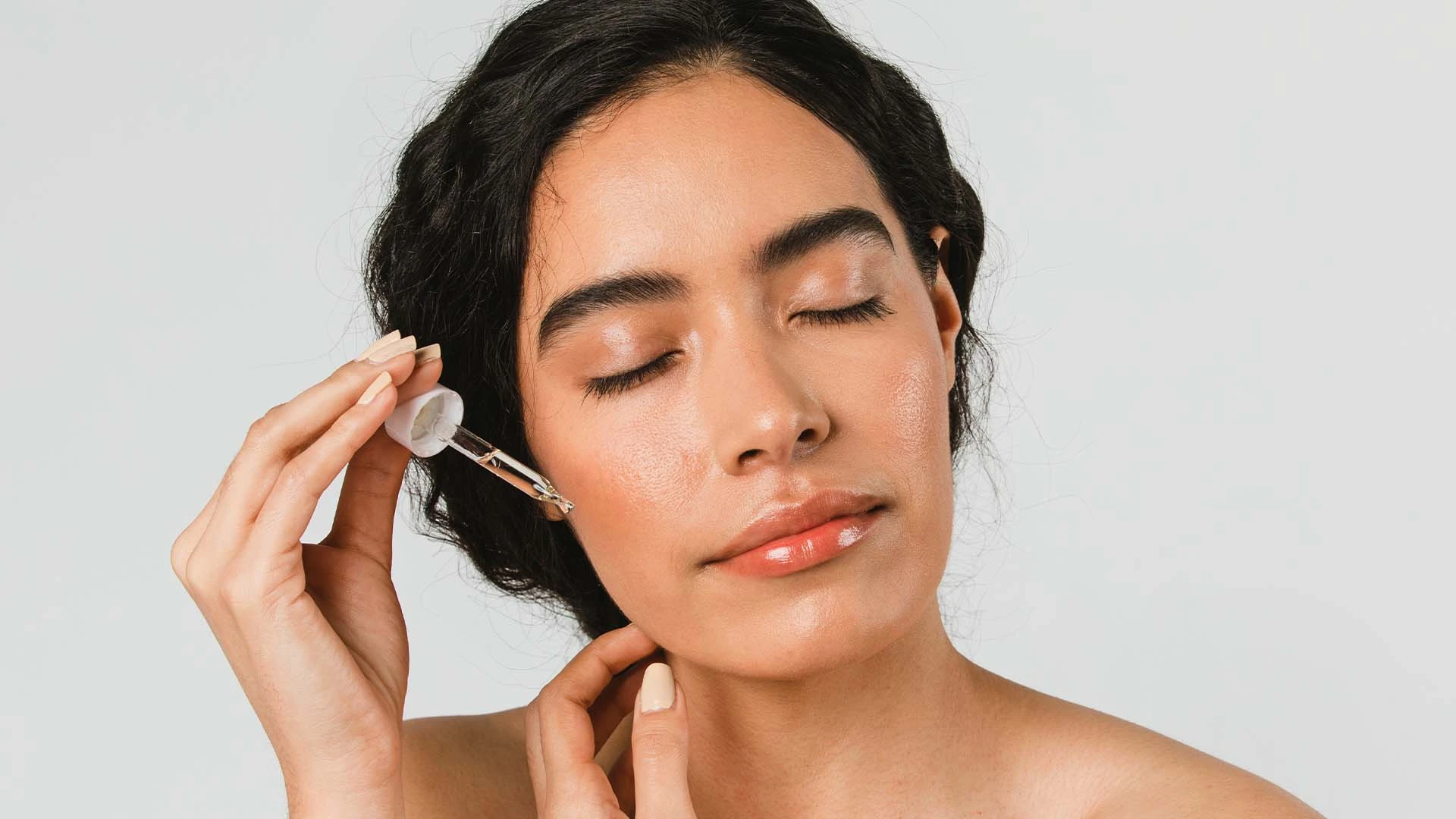
Hydrating serums are lightweight, water-based formulations packed with active ingredients. Their smaller molecular size allows them to penetrate deeper into your skin layers. Most serums contain powerful humectants like hyaluronic acid serum ingredients, glycerin, and niacinamide that attract moisture from the environment and deeper skin layers.
Moisturizers take a different approach with their face serum vs cream consistency. They contain a blend of humectants, emollients, and occlusives that work together to hydrate and protect. The thicker texture creates a barrier on your skin's surface, preventing water loss throughout the day.
The texture difference is immediately noticeable. Serums absorb quickly and feel almost weightless, while moisturizers take longer to absorb and leave a protective film. This affects how you layer products and when you apply them in your routine.
The hydrating serum benefits shine brightest when your skin needs targeted treatment. Serums are like concentrated shots of hydration that work where your skin needs them most. They're particularly effective for addressing specific concerns without overwhelming your skin.
Serums excel at delivering high concentrations of active ingredients exactly where your skin needs them. If you're dealing with dehydration rather than surface dryness, a best hydrating serum can penetrate deeper to address the root cause. They're perfect for oily skin types who need hydration without heaviness.
Look for serums containing multiple molecular weights of hyaluronic acid, which can hold up to 1,000 times its weight in water. Glycerin, ceramides, and peptides work alongside to strengthen your skin's natural moisture retention. Vitamin B5 and sodium PCA provide additional hydrating power without clogging pores.
Serums work best in humid climates where your skin can draw moisture from the air. They're ideal for layering under other active ingredients and perfect for morning routines when you want lightweight hydration under makeup. Oily and combination skin types often prefer serums during warmer months.
While serums deliver hydration, a moisturizer for dehydrated skin ensures that hydration stays put. Think of moisturizers as your skin's protective shield against environmental stressors that can rob your skin of moisture throughout the day.
Moisturizers strengthen your skin barrier function, which is essential for healthy skin. They prevent transepidermal water loss and protect against pollution, wind, and other environmental factors. A compromised skin barrier leads to increased sensitivity and faster moisture loss.
The key is finding the right balance of humectants, emollients, and occlusives for your skin type. Creams work best for dry skin, while gels suit oily skin types. Look for ingredients like ceramides, fatty acids, and natural oils that support your skin's barrier function.
Moisturizers are essential when your skin barrier is compromised or during harsh weather conditions. Cold, dry climates strip moisture from your skin faster than serums can replace it. Mature skin often requires the richer formulations that moisturizers provide.
Understanding dry skin vs dehydrated skin is crucial for choosing the right products. This knowledge shapes your entire dehydrated skin care routine and determines whether you need oil-based or water-based solutions.
Dehydrated skin lacks water and feels tight even when oily. Dry skin lacks oil and appears flaky or rough. You can test this by gently pinching your cheek - if it wrinkles easily, you're likely dehydrated. If it feels rough or looks flaky, you're dealing with dryness.
Dehydrated skin responds best to water-based serums with humectants like hyaluronic acid. Dry skin needs oil-based moisturizers with emollients and occlusives. Some people have both conditions and need a combination approach with both serums and rich moisturizers.
Creating an effective dehydrated skin care routine means understanding how to hydrate skin properly throughout the day. Your routine should address both immediate hydration needs and long-term skin barrier health.
Start with a gentle, hydrating cleanser that won't strip your skin. Apply your hydrating serum to damp skin for better absorption. Follow with a lightweight moisturizer and always finish with SPF. This layering approach maximizes hydration while protecting against daily environmental damage.
Evening routines can be more intensive since your skin repairs itself overnight. Use a richer serum or add a hydrating essence before your regular serum. Apply a more occlusive moisturizer to lock in all the hydrating layers while you sleep.
Incorporate hydrating masks once or twice weekly to give your skin an extra moisture boost. Gentle exfoliation helps your hydrating products penetrate better, but avoid over-exfoliating which can compromise your skin barrier.
You can if you have very oily skin and live in a humid climate. However, most skin types benefit from both products since serums hydrate while moisturizers protect and seal in that hydration.
Yes, nighttime is perfect for layering both products. Your skin repairs itself while you sleep, so providing both deep hydration from serums and barrier protection from moisturizers supports this natural process.
Neither product alone is most effective. Dehydrated skin benefits from the targeted hydration of serums combined with the barrier protection of moisturizers. The combination addresses both immediate and long-term hydration needs.
If your skin feels tight but looks oily, start with a hydrating serum. If your skin feels rough and looks flaky, prioritize a good moisturizer. Most people benefit from using both products in their routine.
The hydrating serum vs moisturizer question doesn't have a one-size-fits-all answer. Your skin's needs, climate, and personal preferences all play a role in determining the best approach. Serums excel at delivering concentrated hydration deep into your skin, while moisturizers protect and seal in that moisture. Understanding your skin type and the difference between dehydration and dryness helps you make informed choices. Remember, skincare is personal, and what works for others might not work for you. Start with one product, observe how your skin responds, and adjust your routine accordingly. The goal is healthy, comfortable skin that feels good in your daily life.
