


How to Understand the Causes of Dry Skin: A Beginner's Guide
Your Cart
0You May Also Like
Your skin feels tight after washing your face. You notice flaky patches on your arms. Maybe your usual moisturizer isn't cutting it anymore. If you're dealing with persistent dryness and wondering what's behind it, you're not alone. Understanding the root causes of dry skin is the first step toward finding solutions that actually work. While many factors can contribute to skin dryness, from environmental conditions to daily habits, identifying your specific triggers makes treatment much more effective. At Asaya, we see how dryness often goes hand-in-hand with other concerns like uneven tone and texture, especially on melanin-rich skin that needs targeted care.
Dry skin happens when your skin barrier is compromised, leading to moisture loss from environmental factors, harsh products, aging, or underlying conditions.
Common causes include hot showers, harsh cleansers, cold weather, aging, certain medications, and skin conditions like eczema.
Treatment involves gentle cleansing, proper moisturizing, identifying triggers, and sometimes addressing underlying health issues.
Dry skin occurs when your skin loses moisture faster than it can replace it. Think of your skin as a brick wall where the "bricks" are skin cells and the "mortar" is natural oils and lipids. When this barrier gets damaged or weakened, water escapes and irritants can get in, leaving your skin feeling tight, rough, or flaky.
Your skin has a natural protective barrier made up of dead skin cells held together by lipids like ceramides and cholesterol. This barrier keeps moisture in and harmful substances out. When it's working properly, your skin feels soft and looks healthy. But when something disrupts this barrier, moisture escapes and your skin becomes dry.
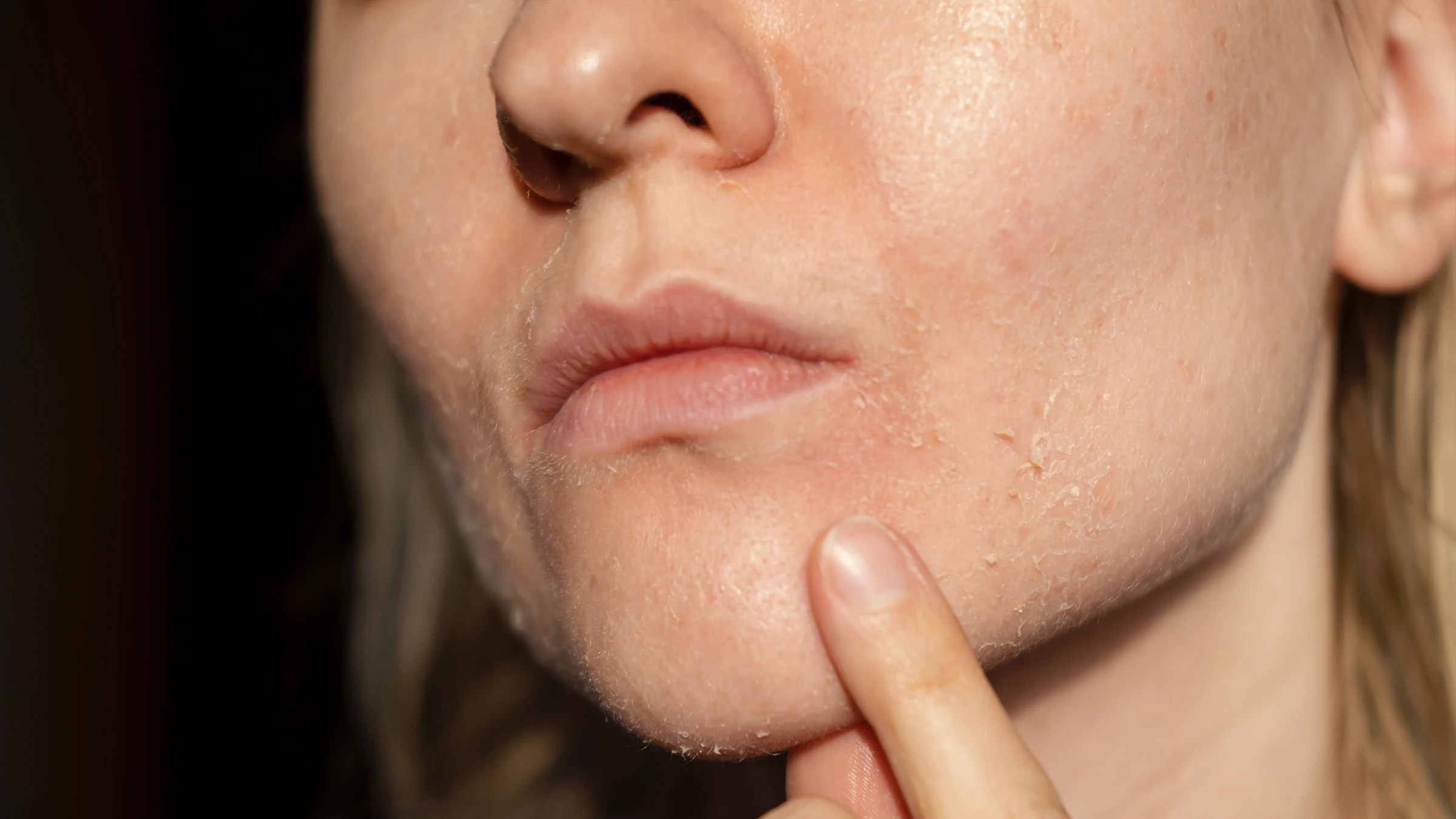
Dry skin shows up differently for everyone. You might notice tightness after cleansing, rough or scaly patches, small cracks that may bleed, or itching and irritation. Some people see fine lines more prominently when their skin is dry. The key is recognizing these signs early so you can address the underlying causes.
Understanding what causes dry skin helps you make better choices for your routine. Most cases of skin dryness stem from a combination of factors rather than just one cause. Let's break down the most common culprits so you can identify what might be affecting your skin.
Weather plays a huge role in skin dryness. Cold air holds less moisture than warm air, so winter often brings dry skin complaints. But hot, dry climates can be just as problematic. Air conditioning and heating systems remove humidity from indoor air, creating a moisture-sucking environment for your skin. Even wind can strip away your skin's natural oils.
Hot showers feel great, but they're one of the biggest causes of dry skin. Hot water strips away your skin's natural oils faster than lukewarm water. Long baths have the same effect. Harsh soaps and cleansers with sulfates can also disrupt your skin barrier. Even over-washing or scrubbing too vigorously can damage the protective layer your skin needs to stay hydrated.
As you age, your skin naturally produces less oil. This process usually starts in your 20s but becomes more noticeable in your 40s and beyond. Hormonal changes, especially during menopause, can also reduce oil production. Your skin's ability to retain moisture decreases over time, making dryness more common as you get older.
Some skin conditions like eczema, psoriasis, or dermatitis cause chronic dryness. Certain medications, including some blood pressure drugs and antihistamines, can dry out your skin as a side effect. Nutritional deficiencies, particularly in omega-3 fatty acids or vitamins A and D, can also contribute to skin dryness.
Figuring out your personal triggers takes some detective work. Start by paying attention to when your skin feels driest and what you were doing beforehand. Keep a simple log for a week or two, noting your skin's condition and any potential triggers.
Ask yourself: Does your skin get drier in certain seasons? After using specific products? When you're stressed or not sleeping well? Do you notice patterns related to your diet, water intake, or exercise routine? This information helps you identify the most likely causes of your dry skin.
See a professional if your dry skin doesn't improve with basic care, if you have severe itching or cracking, or if you suspect an underlying condition. Persistent dryness that interferes with sleep or daily activities needs medical attention.
Once you understand what's causing your dry skin, treatment becomes much more targeted. The goal is to repair your skin barrier and prevent future moisture loss. Most people see improvement within 2-4 weeks with consistent care.
Start with gentle, fragrance-free cleansers that won't strip your skin. Look for moisturizers with ingredients like ceramides, hyaluronic acid, or glycerin. Apply moisturizer while your skin is still damp to lock in hydration. For very dry areas, consider using a heavier cream or even a facial oil at night.
Simple changes can make a big difference. Use a humidifier in your bedroom, especially during winter. Drink plenty of water throughout the day. Include omega-3 rich foods like fish, walnuts, or flaxseeds in your diet. Limit hot showers to 5-10 minutes and pat your skin dry instead of rubbing.
Preventing dry skin is often easier than treating it. Small adjustments to your environment and routine can keep your skin comfortable year-round. Focus on protecting your skin barrier and maintaining consistent moisture levels.
Use a humidifier when indoor air is dry. Wear gloves when cleaning or doing dishes. Choose breathable fabrics like cotton over synthetic materials. Apply sunscreen daily, as sun damage weakens your skin barrier over time.
Consistency matters more than expensive products. Cleanse gently once or twice daily, moisturize while skin is damp, and reapply throughout the day if needed. Adjust your routine seasonally, using lighter products in summer and richer ones in winter.
Sudden dry skin often results from environmental changes, new products, medications, or hormonal shifts. Seasonal transitions, moving to a different climate, or starting new skincare products are common triggers.
Vitamin D, vitamin A, and omega-3 fatty acid deficiencies can all contribute to dry skin. However, most dry skin cases aren't caused by nutritional deficiencies alone.
Use gentle cleansers, moisturize consistently, add humidity to your environment, stay hydrated, and protect your skin from harsh weather. Most people see improvement within 2-4 weeks of consistent care.
Yes, Asaya's formulations are designed for melanin-rich skin that often deals with multiple concerns simultaneously. The gentle yet effective approach addresses dryness while targeting pigmentation issues.
Understanding the causes of dry skin puts you in control of your skin health. Most dry skin improves with gentle care, consistent moisturizing, and avoiding known triggers. While environmental factors and aging play a role, your daily habits have the biggest impact on your skin's moisture levels. If you're dealing with both dryness and pigmentation concerns, look for products formulated specifically for melanin-rich skin. MelaMe™ represents advanced skincare engineering designed to address multiple skin concerns simultaneously. This melanin-first molecule works to restore pigment balance while supporting overall skin health, helping achieve even-toned, clarified skin within 2 weeks of regular use. By breaking down excess melanin deposits and inhibiting future production, MelaMe™ addresses discoloration more effectively than traditional ingredients, making it particularly valuable for those managing both dryness and uneven tone.
