


How to Treat Skin Peeling: A Complete Guide
Your Cart
0You May Also Like
Dealing with peeling skin can be frustrating and uncomfortable. Whether you're experiencing dry skin peeling after a sunburn or noticing flaky skin on your face, understanding the causes and treatments is essential for healthy skin recovery. When skin peels off, it's your body's natural way of shedding damaged or dead cells, but knowing how to properly care for it makes all the difference. This comprehensive guide will walk you through everything you need to know about treating and preventing skin peeling, from gentle home remedies to professional treatment options.
Understanding skin peeling causes is the first step toward effective treatment. Your skin naturally sheds dead cells, but certain factors can accelerate this process or make it more noticeable. Environmental damage, medical conditions, and lifestyle choices all play a role in how and when your skin decides to peel.
Sun exposure tops the list of environmental triggers. Sunburn peeling occurs when UV rays damage skin cells, causing them to die and shed. Dry air, harsh winds, and extreme temperatures also strip moisture from your skin, leading to dehydrated skin peeling. Air conditioning and heating systems can worsen this by reducing humidity levels indoors.
Several skin conditions cause persistent peeling. Eczema creates inflamed, itchy patches that often peel. Psoriasis speeds up skin cell production, resulting in thick, scaly patches. Fungal infections, particularly on feet and hands, can cause peeling fingertips and other affected areas.
Over-exfoliation damages your skin's protective barrier. Using harsh scrubs, chemical peels, or retinoids too frequently can trigger excessive skin shedding. Some people experience peeling skin on face after introducing new products or using treatments that are too strong for their skin type.
Not all peeling looks the same. Identifying your specific type helps you choose the right treatment approach. Different areas of your body may peel for different reasons, and recognizing these patterns guides your care strategy.
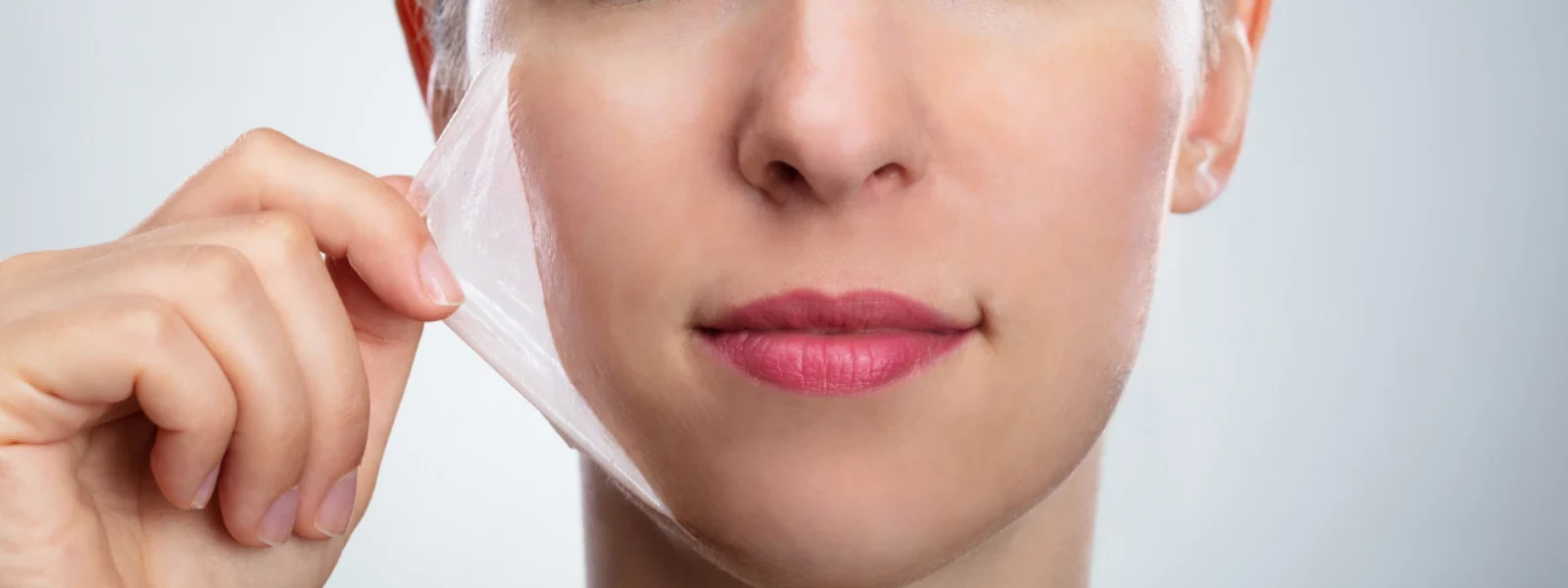
Peeling skin on face tends to be more delicate and visible. Facial peeling often appears as small flakes around the nose, forehead, or cheeks. Body peeling typically involves larger sheets of skin, especially after sunburn or on areas prone to dryness like elbows and knees.
Sunburn peeling usually starts 3-5 days after sun exposure. It begins with redness and tenderness, followed by visible peeling that can last up to two weeks. This type of peeling often comes off in larger pieces and may reveal pink, sensitive skin underneath.
Dehydrated skin peeling appears as fine, powdery flakes. This type of peeling feels tight and may worsen throughout the day. It's most common during winter months or in dry climates, affecting areas like hands, arms, and legs.
When you notice skin starting to peel, quick action can minimize discomfort and prevent further damage. Peeling skin treatment focuses on gentle care and moisture restoration. The key is supporting your skin's natural healing process without causing additional irritation.
Start with gentle cleansing using lukewarm water and a mild, fragrance-free cleanser. Pat skin dry instead of rubbing. Apply a thick, occlusive moisturizer while skin is still slightly damp to lock in moisture. Avoid picking or pulling at loose skin, as this can lead to infection or scarring.
Look for moisturizers containing ceramides, hyaluronic acid, or glycerin. These ingredients help restore your skin's moisture barrier. For flaky skin, gentle exfoliating products with lactic acid or urea can help remove dead skin cells without irritation. Hydrocortisone cream may reduce inflammation and itching.
Seek professional help if peeling covers large areas, is accompanied by fever, shows signs of infection, or doesn't improve after two weeks of home treatment. Persistent peeling fingertips or recurring facial peeling may indicate underlying conditions requiring medical attention.
Many effective skin peeling home remedies use ingredients you likely have at home. These natural treatments can provide relief while supporting your skin's healing process. Always test new remedies on a small area first to avoid adverse reactions.
Aloe vera gel provides cooling relief and promotes healing. Apply pure aloe vera directly to affected areas several times daily. Coconut oil acts as a natural moisturizer with antimicrobial properties. Honey, particularly raw honey, offers both moisturizing and healing benefits when applied as a thin layer.
Oatmeal baths soothe irritated skin while gently removing dead cells. Blend oats into a fine powder and add to lukewarm bathwater. Milk baths containing lactic acid provide gentle exfoliation. The proteins in milk also help maintain skin moisture.
Cucumber slices offer cooling relief and hydration. Place thin slices on affected areas for 10-15 minutes. Cold milk compresses can reduce inflammation and provide moisture. Soak a clean cloth in cold milk and apply to peeling areas.
Preventing skin peeling is easier than treating it. Consistent daily care and protective measures can keep your skin healthy and resilient. Focus on maintaining your skin's natural moisture barrier and protecting it from environmental damage.
Use a gentle cleanser twice daily, avoiding hot water which strips natural oils. Apply moisturizer within three minutes of bathing to lock in moisture. Choose products suited to your skin type and avoid over-cleansing or excessive exfoliation.
Wear broad-spectrum sunscreen daily, even on cloudy days. Use a humidifier during dry seasons to maintain indoor moisture levels. Protect exposed skin during harsh weather with appropriate clothing and barrier creams.
Drink adequate water throughout the day to support skin hydration from within. Include omega-3 fatty acids in your diet through fish, nuts, or supplements. Vitamin E and vitamin C support skin health and repair processes.
Most skin peeling resolves within 1-2 weeks with proper care. Sunburn peeling usually lasts 7-10 days, while dry skin peeling may persist longer without adequate moisturizing.
No, avoid picking or peeling loose skin. This can lead to infection, scarring, or delayed healing. Let skin shed naturally while keeping the area moisturized.
Peeling typically involves larger pieces of skin coming off, often after damage like sunburn. Flaky skin appears as smaller, powdery particles and usually indicates dryness or dehydration.
While most peeling is harmless, extensive peeling with fever, pain, or signs of infection requires medical attention. Persistent peeling may indicate underlying skin conditions needing professional treatment.
Keep skin moisturized, avoid sun exposure, stay hydrated, and resist picking at loose skin. Gentle care and patience allow your skin to heal naturally and completely.
Treating skin peeling successfully requires understanding its cause and responding with appropriate care. Whether dealing with sunburn peeling, dehydrated skin peeling, or other types of skin shedding, gentle treatment and consistent moisturizing form the foundation of recovery. Remember that when skin peels off, it's often your body's way of healing itself. Support this natural process with proper hydration, protection from further damage, and patience. Most importantly, don't hesitate to seek professional help if peeling is severe, persistent, or accompanied by concerning symptoms. With the right approach, you can restore your skin's health and prevent future peeling episodes.
