


How to Treat Skin Barrier Naturally for Indian Men
Your Cart
0You May Also Like
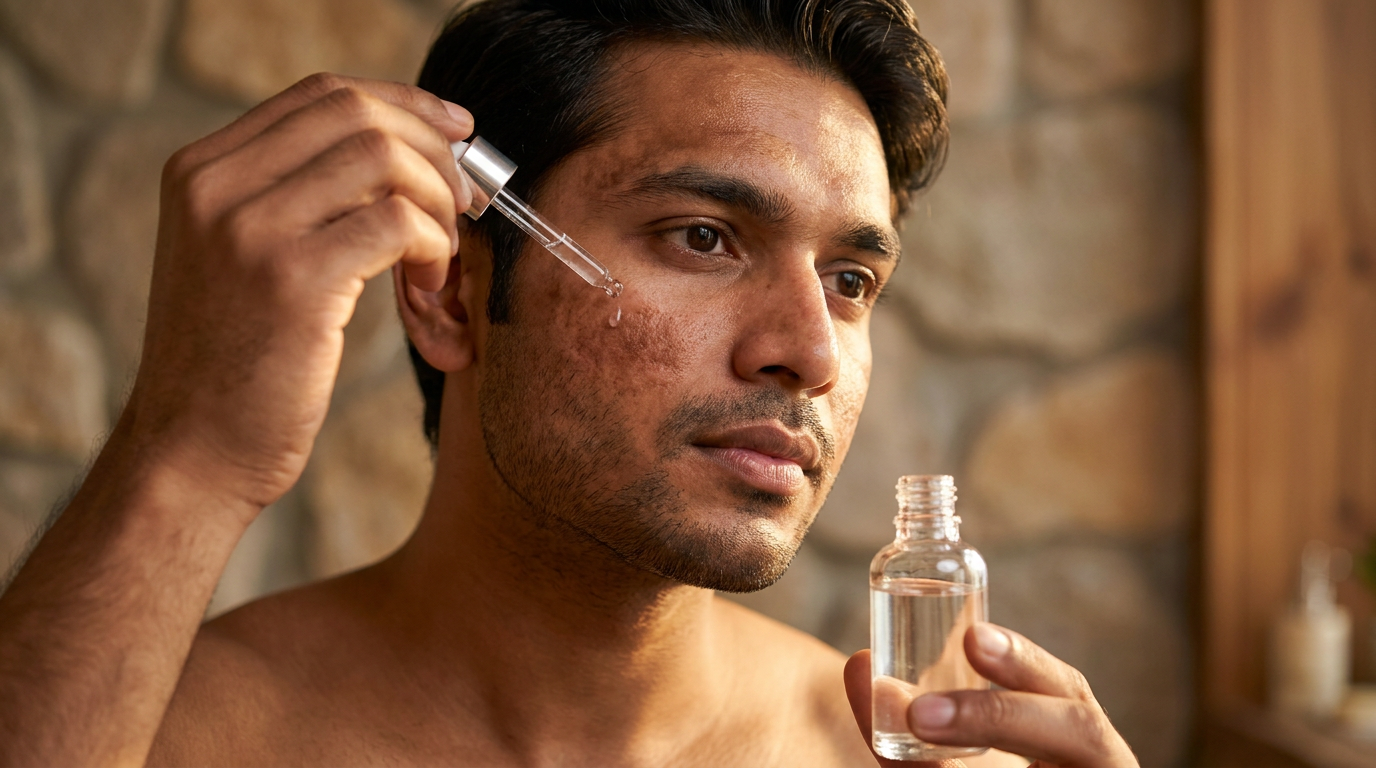
Your skin barrier is your first line of defense against pollution, UV rays, and the daily stress of urban life. For Indian men, maintaining a healthy skin barrier isn't just about looking good—it's about protecting your skin from the unique challenges of our climate and lifestyle. Whether you're dealing with dehydrated skin from air conditioning, irritation from shaving, or the effects of pollution exposure, natural treatments can help restore your skin's protective function without harsh chemicals. Understanding how to treat your skin barrier naturally means working with your skin's natural repair processes, not against them.
A damaged skin barrier shows up as dryness, irritation, and increased sensitivity—common issues for Indian men due to climate and lifestyle factors
Natural remedies like aloe vera, coconut oil, and turmeric can effectively repair and strengthen your skin barrier when used consistently
Building a simple routine with gentle cleansing, natural moisturizing, and sun protection works better than complicated regimens for long-term barrier health
Your skin barrier is a thin layer of lipids and cells that keeps moisture in and irritants out. Think of it as your skin's security system. When it's working properly, your skin feels comfortable and looks healthy. When it's compromised, you'll notice dryness, tightness, redness, or increased breakouts.
Indian men face specific challenges that can weaken this barrier. The combination of high humidity and air conditioning creates constant moisture fluctuations. Daily shaving can cause micro-tears in the skin. Pollution in urban areas adds another layer of stress. Many men also tend to use harsh soaps or skip moisturizer entirely, thinking their skin doesn't need it.
Signs of a damaged skin barrier include persistent dryness even after moisturizing, skin that stings when you apply products, increased sensitivity to weather changes, and that tight feeling after washing your face. If any of this sounds familiar, your barrier likely needs some attention.
The good news is that natural ingredients can be incredibly effective for barrier repair. Your kitchen and local market probably have most of what you need already.
Turmeric mixed with milk or yogurt creates a gentle anti-inflammatory mask that soothes irritated skin. Use a pinch of turmeric powder with a tablespoon of plain yogurt, apply for 10 minutes, then rinse with cool water. The lactic acid in yogurt gently exfoliates while turmeric reduces inflammation.
Neem oil, despite its strong smell, is excellent for men prone to breakouts while trying to repair their barrier. It has antimicrobial properties that prevent infections in compromised skin. Mix a few drops with a carrier oil like coconut oil before applying.
Fresh aloe vera gel is probably the most effective natural barrier repair ingredient you can find. Cut a leaf, scoop out the gel, and apply it directly to clean skin. It contains compounds that help rebuild the skin's protective layer while providing immediate relief from irritation.
Raw honey works as a natural humectant, drawing moisture from the air into your skin. Apply a thin layer to damp skin, leave for 15 minutes, then rinse. It's particularly helpful for dehydrated skin that feels tight and uncomfortable.
A good routine doesn't need to be complicated. The key is consistency and using products that support your skin's natural functions rather than stripping them away.
Start with a gentle cleanser that doesn't leave your skin feeling tight. If you're using natural ingredients, a mixture of chickpea flour and milk works well as a gentle cleanser that won't disrupt your barrier.
Follow with a light moisturizer or natural oil. Coconut oil works for most skin types, but if you're acne-prone, try jojoba oil instead. Always finish with sunscreen—UV damage is one of the fastest ways to break down your skin barrier.
Evening is when your skin does most of its repair work. After cleansing, apply a slightly heavier moisturizer or facial oil. Rosehip oil is excellent for barrier repair because it contains essential fatty acids that help rebuild the skin's protective layer.
If you're dealing with particularly damaged skin, apply a thin layer of pure aloe vera gel first, let it absorb, then follow with your oil or moisturizer. This layering technique helps lock in maximum hydration.
Not all natural ingredients are created equal when it comes to barrier repair. The most effective ones contain ceramides, fatty acids, or natural humectants.
Oatmeal contains compounds called beta-glucans that help skin retain moisture. Make a simple oatmeal mask by grinding oats into a fine powder and mixing with water to form a paste. Apply for 15 minutes before rinsing.
Rose water acts as a natural toner that doesn't strip your skin. It helps maintain your skin's pH balance while providing light hydration. You can use it throughout the day as a refreshing mist.
Certain plant oils contain ceramides and fatty acids that are identical to what your skin produces naturally. Sunflower oil, safflower oil, and argan oil are particularly rich in these barrier-building compounds.
For men who prefer lighter textures, mixing a few drops of these oils into your regular moisturizer can boost its barrier-repair properties without making your skin feel greasy.
The biggest mistake is thinking that oily or combination skin doesn't need moisturizer. Your skin produces more oil when it's dehydrated, trying to compensate for the lack of moisture. Skipping moisturizer actually makes oiliness worse over time.
Another common issue is using products that are too harsh. Many men's skincare products contain high levels of alcohol or strong fragrances that can damage the skin barrier. Even if your skin feels clean immediately after use, these products often cause more problems in the long run.
Over-washing is also problematic. Washing your face more than twice a day strips away the natural oils your skin needs to maintain its barrier function. If you need to refresh during the day, use plain water or a gentle mist instead.
Focus on gentle cleansing, consistent moisturizing with natural oils or aloe vera, and protecting your skin from further damage with sunscreen. Avoid harsh scrubs and alcohol-based products while your barrier heals.
Most people notice improvement within 2-4 weeks of consistent care. Your skin barrier renews itself approximately every 28 days, so you need to maintain good habits for at least one full skin cycle to see lasting results.
Yes, if your skin tolerates it well. Coconut oil is generally safe for daily use, but if you're prone to breakouts, start with a small amount every other day to see how your skin responds.
Gentle physical exfoliation with oatmeal or rice flour works well, or you can use natural acids like those found in yogurt or tomato juice. These are much gentler than commercial chemical exfoliants while still helping to remove dead skin cells.
Asaya's formulations focus on supporting your skin's natural repair processes while addressing the specific needs of Indian skin. Their products work to strengthen the barrier while targeting concerns like dark spots and uneven tone that are common in our climate.
Treating your skin barrier naturally isn't about finding a quick fix—it's about building sustainable habits that support your skin's long-term health. The natural ingredients and gentle routines outlined here work because they align with your skin's natural processes rather than fighting against them.
For men dealing with both barrier damage and pigmentation concerns, advanced formulations like those containing MelaMe™ Complex can address multiple issues simultaneously. This melanin-first molecule has been designed to visibly treat discolouration and restore pigment balance within 2 weeks of regular use. It works on existing dark spots by breaking excess melanin deposits down into re-absorbable amino acids while supporting overall skin health and barrier function.
Remember, consistency matters more than perfection. Start with one or two natural treatments that appeal to you, use them regularly for at least a month, and pay attention to how your skin responds. Your barrier will thank you for the gentle, sustained care.
