


How to Tell Signs of Dry Skin: A Complete Tutorial
Your Cart
0You May Also Like
Your skin feels tight after washing your face, looks a bit dull in the mirror, and maybe even shows some flaky patches around your nose or cheeks. Sound familiar? Understanding how to tell signs of dry skin isn't always straightforward, especially when you're dealing with melanin-rich skin that might show dryness differently than what you see in most skincare guides. While Asaya focuses on pigmentation concerns, we know that dry skin can actually make dark spots and uneven tone more noticeable, so understanding your skin's moisture levels is part of the bigger picture.
Dry skin shows up as flaking, rough texture, tightness after cleansing, and persistent itching, with symptoms often more visible on elbows, knees, and face.
The key difference between dry and dehydrated skin is that dry skin lacks oil production while dehydrated skin lacks water, though both can happen together.
Simple at-home tests like checking for flakiness, doing a pinch test, and noting how your skin feels after washing can help you identify dry skin symptoms.
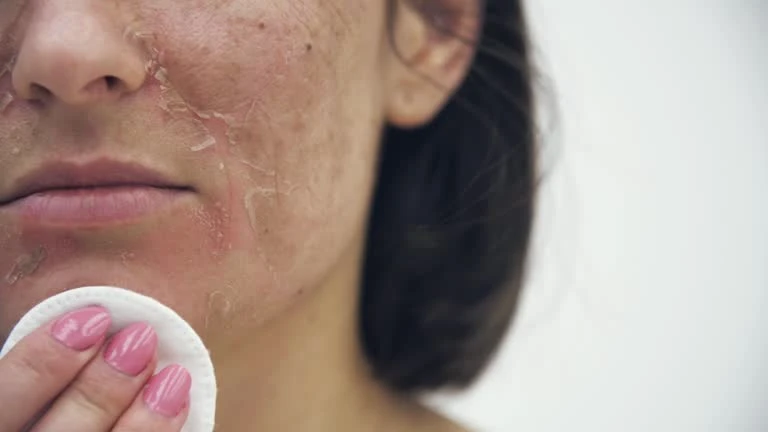
Recognizing dry skin starts with knowing what to look for. Dry skin has a distinct appearance that's usually pretty easy to spot once you know the signs. The most obvious indicator is flaking or scaling, especially around areas like your nose, forehead, or cheeks. This happens because your skin isn't producing enough natural oils to keep the surface smooth and intact.
On melanin-rich skin, dry patches might appear ashy or grayish rather than the red, irritated look you see in most skincare photos. Your skin might also look dull or lackluster, missing that natural glow that comes with well-moisturized skin. Fine lines become more noticeable when skin is dry because there's less plumpness to smooth them out.
Dry skin symptoms don't appear everywhere at once. Your elbows, knees, and heels are usually the first to show signs because these areas naturally have fewer oil glands. On your face, the area around your eyes, nose, and mouth tends to get dry first since the skin is thinner there.
How your skin feels is just as important as how it looks when you're learning to identify dry skin. The most common sensation is that tight, pulled feeling, especially right after you wash your face or take a shower. This tightness happens because dry skin has less elasticity and flexibility than well-moisturized skin.
That uncomfortable pulling sensation isn't just in your head. When skin lacks moisture and oils, it literally becomes less flexible. You might notice this tightness when you smile, frown, or make other facial expressions. It's your skin telling you it needs more hydration and moisture.
Persistent itching is another major sign of dry skin. This isn't the occasional scratch everyone gets, but a consistent urge to scratch that gets worse at night or after bathing. The itching happens because dry skin becomes more sensitive and reactive to things that wouldn't normally bother you.
Run your hand over your arm or leg. Dry skin feels rough, almost like fine sandpaper, instead of smooth and soft. This bumpy, uneven texture is one of the clearest skin dryness indicators you can check for yourself.
You don't need a dermatologist to figure out if you have dry skin. There are several quick tests you can do at home to assess your skin's condition. These methods help you understand what's happening with your skin so you can address it properly.
Look at your skin in good lighting, preferably natural light. Check for any white, flaky patches, especially around your nose, forehead, or on your arms and legs. Notice if your skin looks dull or ashy compared to how it usually appears.
Gently run your fingers over different areas of your skin. Dry skin will feel rough, bumpy, or uneven compared to the smooth texture of well-moisturized skin. Pay attention to how your skin feels immediately after washing versus a few hours later.
This is where things get a bit tricky. Many people use "dry" and "dehydrated" interchangeably, but they're actually different conditions that need different approaches. Understanding this difference helps you choose the right products and treatments.
Dry skin is a skin type that lacks oil production. It's usually genetic and tends to be consistent over time. Dehydrated skin, on the other hand, lacks water and can happen to anyone, regardless of skin type. You can have oily skin that's dehydrated, or dry skin that's also dehydrated.
Dehydrated skin often shows up as fine lines that seem to appear suddenly, especially around your eyes. Your skin might feel tight but still produce oil in your T-zone. You might also notice that your makeup doesn't apply smoothly or that your skin looks dull despite using moisturizer.
Dry skin consistently lacks oil and shows flaking, while dehydrated skin might be oily in some areas but still feel tight and look dull. Dehydrated skin often improves quickly with hydrating products, while dry skin needs consistent oil-based moisture to improve.
Understanding the causes of dry skin helps you prevent it and choose better treatments. Some causes are things you can control, while others are just part of your genetics or environment.
Cold weather, low humidity, and indoor heating all strip moisture from your skin. Air conditioning can have the same effect. Even hot showers, while they feel good, can actually make dry skin worse by removing natural oils from your skin's surface.
Harsh soaps, over-washing, and using products with alcohol or strong fragrances can all contribute to dry skin. Some medications, particularly those for acne or anti-aging, can also cause dryness as a side effect.
Most dry skin is manageable with good skincare habits, but sometimes it signals something more serious. Knowing when to seek professional help can prevent minor issues from becoming major problems.
If your skin develops deep cracks that bleed, shows signs of infection like pus or excessive redness, or if the dryness appears suddenly all over your body, it's time to see a dermatologist. These could be signs of underlying health conditions that need medical attention.
Dry skin feels tight and uncomfortable even after moisturizing, while skin that needs exfoliation usually feels better after using a gentle scrub or chemical exfoliant. If exfoliation makes your skin feel worse or more irritated, you're likely dealing with dryness, not dead skin buildup. How can you tell if your skin is dry? It often feels tight and uncomfortable even after moisturizing.
Yes, dry skin can make pigmentation appear more noticeable because the uneven texture and dullness create shadows and make your skin tone look less uniform. This is why Asaya's approach to treating pigmentation includes ensuring your skin barrier is healthy and well-moisturized.
Normal skin shedding happens at a microscopic level that you can't see. Flaky skin from dryness creates visible white or grayish scales that you can see and feel. If you can see your skin peeling or flaking off, that's a sign of dryness, not normal renewal.
With consistent moisturizing and gentle care, most people notice improvement in dry skin within a week or two. The tight feeling usually goes away first, followed by improved texture and reduced flaking. Severe dryness might take a month or more to fully resolve.
Learning how to tell signs of dry skin gives you the knowledge to take better care of your skin and address issues before they become bigger problems. The key indicators – flaking, tightness, rough texture, and persistent itching – are your skin's way of asking for more moisture and gentler treatment. Remember that dry skin can make other concerns like pigmentation more noticeable, which is why maintaining healthy skin barrier function is important for overall skin appearance.
While addressing dryness is important, if you're also dealing with dark spots or uneven tone, MelaMe™ Complex offers targeted support for these concerns. This advanced skincare engineering from Asaya has been designed to visibly treat discolouration and restore pigment balance within 2 weeks of regular use. It works by breaking down excess melanin deposits while preventing new dark spots from forming, helping you achieve clearer, more even-toned skin alongside proper hydration.
