


How to Tell If Your Skin Barrier Is Damaged: Key Signs
Your Cart
0You May Also Like
Your skin feels tight after cleansing, stings when you apply your favorite serum, or looks flaky despite regular moisturizing. These aren't just bad skin days – they're warning signs that your skin barrier might be compromised. Understanding how to identify a damaged skin barrier is crucial for maintaining healthy, resilient skin that can protect itself from environmental stressors and retain moisture effectively.
The skin barrier, scientifically known as the stratum corneum, acts as your body's first line of defense. When it's functioning properly, you barely notice it. But when it's damaged, every skincare step becomes a challenge, and your skin feels perpetually irritated or dehydrated.
Your skin barrier is like a protective wall made of dead skin cells held together by natural lipids. Think of it as a brick-and-mortar structure where the "bricks" are skin cells and the "mortar" is a mixture of ceramides, cholesterol, and fatty acids. This barrier serves two critical functions: keeping moisture in and irritants out.
When your barrier is healthy, it maintains optimal hydration levels and shields your skin from pollution, bacteria, and harsh weather conditions. A well-functioning barrier also helps regulate skin cell turnover and maintains the skin's natural pH balance.
A damaged barrier leads to increased trans-epidermal water loss, meaning your skin loses moisture faster than it can replenish it. This creates a cycle where your skin becomes increasingly dry, sensitive, and prone to irritation. Environmental pollutants and bacteria can penetrate more easily, leading to inflammation, breakouts, and accelerated signs of aging.
Recognizing the signs of damaged skin barrier early can help you take corrective action before the problem worsens. These symptoms often appear gradually and may seem like separate issues, but they're typically interconnected signs of barrier dysfunction.
The most telling sign is when products that previously worked well for your skin suddenly cause stinging, burning, or irritation. This sensitivity indicates that your barrier's protective function has been compromised.
**Persistent dryness and flaky skin** that doesn't improve with regular moisturizing is a classic indicator. Your skin may look dull, rough, or scaly, especially around the cheeks, forehead, and nose areas.
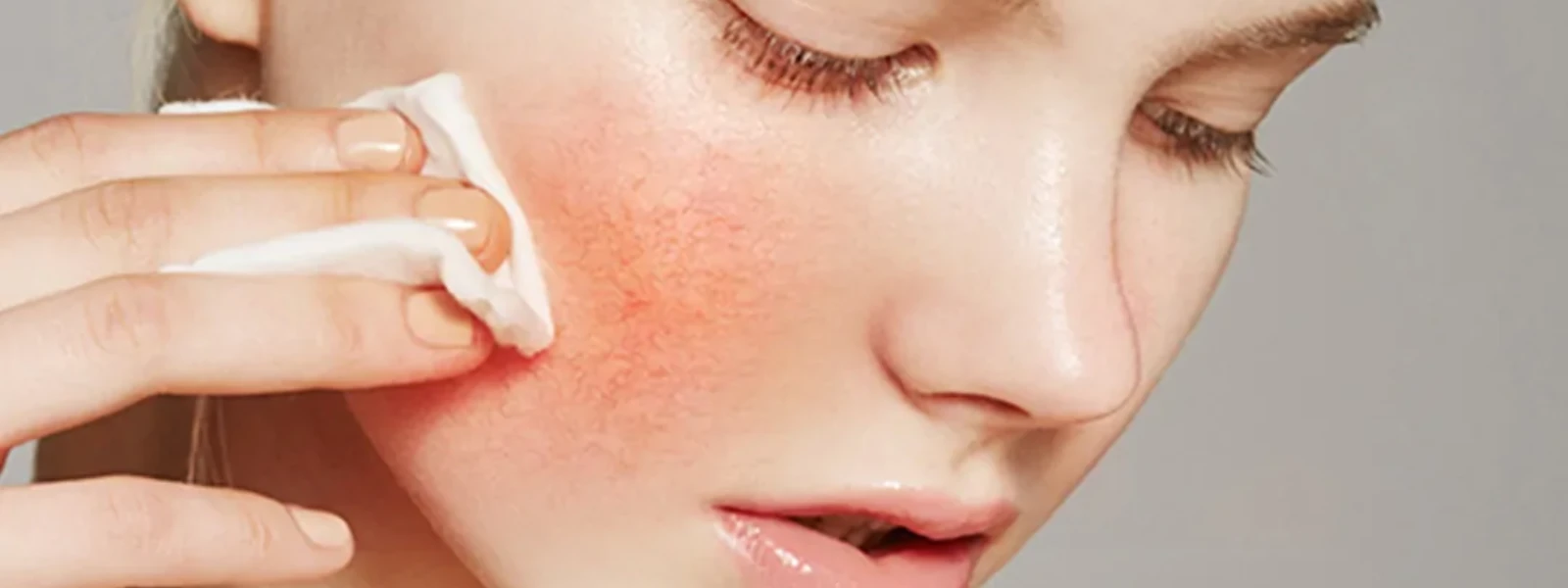
**Redness and inflammation** often appear as patches or general irritation that seems to come and go without obvious triggers. This chronic low-level inflammation indicates your skin is struggling to maintain its protective function.
**Stinging or burning sensations** when applying skincare products, especially those containing active ingredients, signal that your barrier needs repair. Even gentle products like moisturizers might cause discomfort.
**Tightness and itching** that persists throughout the day, regardless of how much moisturizer you apply, indicates severe dehydration at the barrier level.
Understanding the root causes of barrier damage helps you prevent future problems and make informed decisions about your skincare routine. Many people unknowingly damage their skin barrier through well-intentioned but misguided skincare practices.
Over-exfoliation is one of the most common culprits, especially with the popularity of chemical exfoliants like AHAs and BHAs. While these ingredients can be beneficial, using them too frequently or in high concentrations strips away the protective lipid layer.
Cleansers with pH levels outside the optimal 4.0-5.5 range can disrupt your skin's natural acid mantle. Foaming cleansers containing sulfates are particularly harsh and can strip essential oils from your skin.
Hot water exposure during long showers or face washing can dissolve the natural oils that keep your barrier intact. Climate extremes, whether very dry or humid conditions, stress your skin's adaptive mechanisms.
Repairing a damaged skin barrier requires patience and a strategic approach. The key is to simplify your routine, eliminate irritating factors, and focus on ingredients that support barrier restoration.
The recovery process typically takes 4-8 weeks, depending on the severity of damage and how consistently you follow a barrier-repair focused routine.
Stop using all active ingredients including retinoids, AHAs, BHAs, and vitamin C serums. Focus on gentle, pH-balanced cleansing and basic moisturizing with ingredients like **ceramides** and **hyaluronic acid**.
Introduce barrier-supporting ingredients like **niacinamide**, which helps strengthen the skin's natural defense mechanisms. Layer hydrating products from thinnest to thickest consistency to maximize moisture retention.
Gradually reintroduce active ingredients using a skin cycling approach. This means alternating between active treatment nights and recovery nights to prevent overwhelming your newly repaired barrier.
Certain ingredients have proven track records for supporting barrier function and accelerating recovery. These work by either replacing lost lipids, attracting moisture, or reducing inflammation that prevents healing.
**Ceramides** are identical to the natural lipids found in healthy skin barriers and can directly replace what's been lost. **Niacinamide** not only strengthens the barrier but also reduces inflammation and regulates oil production.
**Hyaluronic acid** in multiple molecular weights provides both immediate surface hydration and deeper moisture penetration. Look for products that combine high and low molecular weight versions for comprehensive hydration.
**Petrolatum and squalane** create an occlusive layer that prevents water loss while your barrier repairs itself. **Panthenol** (Pro-Vitamin B5) soothes irritation and supports the healing process.
Skin barrier repair follows a predictable timeline, though individual results may vary based on the extent of damage and consistency of care. Understanding realistic expectations helps you stay committed to the recovery process.
Most people notice initial improvements within the first two weeks, with significant changes becoming apparent after 4-6 weeks of consistent barrier-focused care.
**Initial improvement** typically occurs within 7-14 days as inflammation subsides and basic hydration improves. **Significant recovery** happens around 4-6 weeks when the barrier structure begins to normalize.
You'll know your barrier is recovering when products stop stinging, your skin feels comfortable for longer periods between moisturizing, and you notice improved texture and reduced redness.
No, pause all active ingredients including vitamin C until your barrier is fully repaired. Vitamin C can be irritating to compromised skin and may slow the healing process.
A good barrier-repair moisturizer should feel soothing upon application and provide lasting comfort. If your moisturizer stings, burns, or leaves your skin feeling tight after a few hours, it may contain irritating ingredients.
Some initial flaking or dryness is normal as your skin adjusts to a gentler routine. However, increased redness, burning, or new breakouts may indicate you're using products that aren't suitable for barrier repair.
Yes, chronic stress increases cortisol levels, which can impair barrier function and slow skin cell renewal. Managing stress through adequate sleep, exercise, and relaxation techniques supports barrier health.
Recognizing the signs of damaged skin barrier early allows you to take corrective action before the problem becomes severe. The most reliable indicators include persistent sensitivity to products, chronic dryness despite moisturizing, and visible signs like redness and flaking.
Recovery requires patience and consistency with a simplified routine focused on gentle cleansing, barrier-supporting ingredients, and adequate sun protection. Most people see significant improvement within 4-6 weeks of dedicated barrier repair care. Remember that prevention is always easier than repair, so maintain gentle skincare practices even after your barrier has healed.
