


How to Identify Dehydrated Skin Causes Without Dryness
Your Cart
0You May Also Like
Your skin feels tight and uncomfortable, but it doesn't look flaky or rough like typical dry skin. You might notice your complexion looking dull or your makeup sitting strangely, even though you're using moisturizer. This confusing combination of symptoms points to dehydrated skin, a condition that affects water levels rather than oil production. Unlike dry skin, which is a permanent skin type, dehydration is temporary and fixable once you understand the common dehydrated skin causes without dryness. For those dealing with pigmentation concerns on melanin-rich skin, dehydration can make dark spots appear more prominent and slow down the healing process.
• Dehydrated skin lacks water, not oil, causing tightness without visible dryness and can affect any skin type including oily skin
• Common causes include environmental factors, over-cleansing, insufficient water intake, hormonal changes, and compromised skin barrier function
• Treatment focuses on restoring water content through hydrating products, lifestyle changes, and proper skin barrier repair rather than just adding moisture
The confusion between dehydrated and dry skin happens because both can make your face feel uncomfortable. But they're completely different issues with different solutions. Dry skin is a skin type that lacks oil production and tends to be a lifelong characteristic. Dehydrated skin is a temporary condition where your skin lacks water, regardless of how much oil it produces.
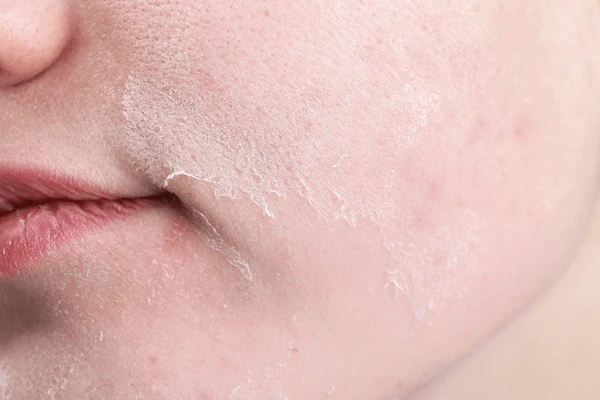
This water deficiency in skin can happen to anyone, even people with oily skin dehydration. You might notice your skin feels tight but not dry in the traditional sense. There's no flaking or rough patches, but something still feels off. Your complexion might look dull, and fine lines seem more noticeable, especially around your eyes and mouth, contributing to skin texture issues.
Gently pinch a small area of skin on the back of your hand or cheek. If the skin takes a moment to bounce back to its normal position, that's a sign of dehydration. Well-hydrated skin snaps back immediately. This simple test can help you distinguish between temporary dehydration and other skin concerns, though it's more indicative of overall body hydration than facial skin dehydration specifically.
Watch for these telltale signs: skin feels tight but not dry, especially after cleansing. Your complexion looks dull even with good lighting, indicating dull complexion causes. Fine lines appear more prominent, particularly when you smile or squint. You might also notice increased sensitivity to products that never bothered you before, or that your makeup doesn't apply as smoothly as usual, potentially due to sensitive skin dehydration.
Understanding dehydrated skin causes without dryness means looking beyond the obvious. Many factors can disrupt your skin's water balance, and they're not always related to your skincare routine.
Air conditioning and heating systems pull moisture from the air and your skin. Low humidity levels, especially during winter months, can leave your skin struggling to maintain its water content. Sun exposure doesn't just cause pigmentation issues, it also depletes your skin's natural moisture reserves. Even wind and pollution can create a barrier that prevents your skin from holding onto water effectively.
Not drinking enough water is an obvious culprit, but it's not the only dietary factor. Excessive caffeine and alcohol can dehydrate your entire body, including your skin. High-sodium foods can also affect your body's water balance. Poor sleep quality interferes with your skin's natural repair processes, including its ability to maintain proper hydration levels.
Over-cleansing strips away your skin's natural protective barrier, making it harder to retain water. Using products with high alcohol content can have the same effect. Many people focus so much on treating specific concerns like acne or dark spots that they forget to include proper hydrating steps in their routine.
This might sound contradictory, but oily skin dehydration is actually quite common. Your skin can produce plenty of oil while still lacking water. In fact, sometimes excessive oil production happens because your skin is trying to compensate for dehydration. Why does my skin feel tight but not dry? This often happens when the skin barrier has been compromised by harsh products or over-cleansing. Many people with oily skin use strong cleansers and skip moisturizer, thinking they don't need extra hydration. This creates a cycle where the skin becomes dehydrated, produces more oil to protect itself, and then gets treated with even harsher products.
The solution isn't to strip away more oil, but to restore your skin's water balance. This means using gentler cleansers and adding lightweight, water-based hydrating products to your routine. Your skin needs both water and a small amount of oil to function properly.
Sometimes the lack of hydration in skin comes from internal changes that are harder to control but important to understand.
Your menstrual cycle, pregnancy, and menopause all affect your skin's ability to retain moisture. Stress hormones like cortisol can also interfere with your skin barrier function. During these times, you might notice your usual skincare routine isn't working as well as it normally does.
Thyroid disorders, diabetes, and certain medications can all affect your skin's hydration levels. If you've suddenly developed persistent dehydration despite good skincare habits, it might be worth discussing with a healthcare provider.
As we age, our skin naturally produces less hyaluronic acid, which helps bind water to skin cells. The skin barrier also becomes less efficient at preventing water loss. This doesn't mean dehydration is inevitable, but it does mean you might need to adjust your approach over time.
Treating dehydrated skin requires a different approach than treating dry skin. Instead of just adding oil-based moisturizers, you need to focus on water-binding ingredients and skin barrier repair.
Look for products containing hyaluronic acid, glycerin, and ceramides. These ingredients help your skin attract and hold onto water. Apply hydrating serums to slightly damp skin, then follow with a moisturizer to lock in the hydration. Sheet masks can provide an immediate boost, but they're not a long-term solution.
Focus on gentle, consistent care that supports your skin's natural barrier function. This means avoiding harsh scrubs, using lukewarm water instead of hot, and being patient with the process. Skin barrier repair takes time, usually 2-4 weeks of consistent care.
Preventing dehydration is often easier than treating it. Simple daily habits can make a significant difference in your skin's water content and overall health.
Use a humidifier in your bedroom, especially during winter months. Apply sunscreen daily to prevent UV damage that can compromise your skin barrier. Consider the temperature of your shower water; hot water strips away natural oils that help retain moisture.
Choose alcohol-free toners and gentle cleansers. Layer lightweight, water-based products before heavier creams. Don't skip moisturizer, even if you have oily skin. Look for products that support skin barrier function rather than just providing temporary moisture.
Yes, dehydrated skin can make existing dark spots appear more prominent and can slow down the healing process. When your skin barrier is compromised, it's also more prone to inflammation, which can trigger new pigmentation. Maintaining proper hydration helps treatments work more effectively.
Most people notice improvement within 1-2 weeks of consistent hydrating care, but full skin barrier repair can take 4-6 weeks. Can you reverse dehydrated skin? Yes, with consistent and appropriate care. What is lacking in dehydrated skin? Primarily water content.
Drinking adequate water is important for overall health, but topical hydration is more effective for treating skin dehydration. Your skin gets hydration from products applied directly to it more efficiently than from internal water consumption.
Not exactly. Dry skin needs oil-based products to replace missing sebum, while dehydrated skin needs water-based products to restore moisture levels. Some products work for both, but understanding your specific condition helps you choose more effectively.
Identifying dehydrated skin causes without dryness is the first step toward healthier, more comfortable skin. Remember that dehydration is temporary and fixable with the right approach. Focus on gentle, consistent care that supports your skin's natural barrier function rather than harsh treatments that might make the problem worse.
For those dealing with dark spots alongside dehydration, addressing the water balance in your skin can actually help your treatment products work more effectively. When your skin barrier is healthy and well-hydrated, active ingredients can penetrate more efficiently and work faster. This advanced melanin-first molecule has been designed to visibly treat discolouration and restore pigment balance within 2 weeks of regular use. It works by breaking down excess melanin deposits into re-absorbable amino acids while inhibiting future melanin production, bringing even-toned, clarified skin more effectively than traditional hyperpigmentation ingredients.
