


How to Fix Stripped Skin: Repair Your Damaged Skin Barrier
Your Cart
0You May Also Like
Your skin feels tight, looks red, and seems to react to everything you put on it. If this sounds familiar, you might be dealing with stripped skin—a condition where your protective skin barrier has been compromised. This barrier damage can happen from over-exfoliation, harsh products, or environmental stress. The good news? Learning how to fix stripped skin is totally doable with the right approach. Your skin barrier can heal and become stronger than before. Let's dive into proven methods to repair your damaged skin barrier and get your skin back to its happy, healthy state.
Stripped skin occurs when your skin's protective barrier gets damaged or weakened. Think of your skin barrier like a brick wall—the "bricks" are your skin cells, and the "mortar" is made of lipids, ceramides, and natural oils that hold everything together. When this barrier gets compromised, it can't protect your skin properly or keep moisture locked in.
The most common culprits behind stripped skin include over-exfoliation with acids or scrubs, using products with harsh ingredients, extreme weather conditions, and even stress. Your skin might look dull, feel rough, or become super sensitive to products that never bothered you before.
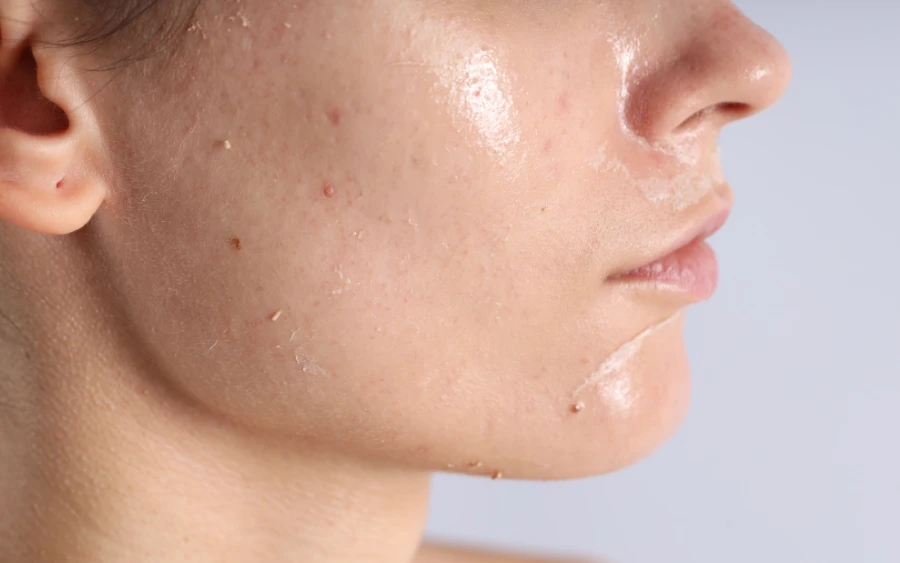
Recognizing stripped skin early can save you weeks of discomfort. Your skin might feel tight even after applying moisturizer, or you might notice increased sensitivity to products you've used for years.
Other telltale signs include persistent dryness, rough patches, unexpected breakouts, redness, and that uncomfortable itchy feeling. If your skin looks dull or feels like sandpaper, these are clear indicators that you need to focus on barrier repair.
Healing stripped skin requires patience and a gentle approach. The key is to stop doing anything that might further damage your barrier while actively supporting its repair. This means simplifying your routine and focusing on ingredients that actually help rebuild your skin's protective layer.
The recovery process typically takes 2-4 weeks, but you might notice improvements within the first few days if you follow the right steps consistently.
The first rule of fixing stripped skin is to stop using anything that might irritate it further. This means putting away your acids, retinoids, scrubs, and any products with strong fragrances or alcohol.
Stick to just three products: a gentle cleanser, a skin barrier repair cream, and sunscreen during the day. This minimal approach gives your skin the breathing room it needs to heal without overwhelming it with too many ingredients.
Your cleanser can make or break your barrier repair journey. Look for pH-balanced, soap-free formulas that won't strip away your skin's natural oils. Cream or lotion cleansers work better than foaming ones for damaged barriers.
Use lukewarm water instead of hot water, and limit your cleansing time to under a minute. Pat your skin dry gently with a clean towel—no rubbing or scrubbing allowed during the healing phase.
To repair your damaged skin barrier, you need ingredients that actually rebuild it. Ceramides are your best friend here—they're the same lipids naturally found in healthy skin barriers. Niacinamide helps reduce inflammation and strengthens the barrier over time.
Hyaluronic acid and glycerin are excellent for drawing moisture into your skin, while ingredients like cholesterol and fatty acids help restore the barrier's structure. Look for moisturizers that contain several of these ingredients for maximum benefit.
If you prefer natural approaches, several gentle ingredients can help soothe dry and flaky skin while supporting barrier repair. These methods work well alongside or instead of commercial products, depending on your preference and skin's needs.
Natural ingredients tend to be gentler and less likely to cause additional irritation, making them perfect for sensitive, stripped skin that reacts to everything.
Pure aloe vera gel is incredibly soothing for irritated skin. It contains compounds that reduce inflammation and provide immediate cooling relief for tight, uncomfortable skin.
Apply a thin layer of pure aloe vera gel to clean skin and let it absorb completely before following with your regular moisturizer. You can use this multiple times a day for extra comfort.
Colloidal oatmeal has been used for centuries to treat rough skin texture and provide relief from irritation. It contains compounds called avenanthramides that have anti-inflammatory properties.
Mix finely ground oats with water to create a paste, apply to your face for 10-15 minutes, then rinse gently with lukewarm water. This can be done 2-3 times per week during the healing phase.
Proper moisturizing is crucial when learning how to fix stripped skin. The goal is to restore skin hydration while providing the building blocks your barrier needs to repair itself. This means choosing the right products and applying them correctly.
The best approach is layering—start with lightweight, water-based products and build up to heavier creams. This ensures maximum hydration without overwhelming your compromised skin.
Start with a hydrating toner or essence on damp skin to boost moisture levels. Follow with a serum containing hyaluronic acid or niacinamide, then seal everything in with a barrier-repairing moisturizer.
Apply each layer while the previous one is still slightly damp—this helps trap moisture and improves absorption. Don't forget to extend your routine to your neck and any other areas showing signs of barrier damage.
Your skin repairs itself most actively while you sleep, so nighttime is perfect for intensive barrier repair treatments. Consider using a slightly heavier moisturizer or adding a few drops of facial oil to boost hydration.
Ingredients like squalane, jojoba oil, or rosehip oil can provide extra nourishment without clogging pores. Apply these as the last step in your routine to lock in all the previous layers.
Fixing stripped skin isn't just about what you put on your face—your lifestyle choices play a huge role in how quickly your barrier heals. Simple changes to your daily habits can significantly speed up the recovery process and prevent future damage.
Think of barrier repair as a whole-body approach. What you eat, how much you sleep, and how you manage stress all impact your skin's ability to heal and maintain its protective function.
Drinking enough water is essential for maintaining skin hydration, but it's not the only factor. Foods rich in omega-3 fatty acids, like salmon, walnuts, and flaxseeds, provide the building blocks your skin needs to repair its barrier.
Antioxidant-rich foods like berries, leafy greens, and green tea help protect your skin from further damage while it heals. Aim for a colorful diet that includes plenty of fruits and vegetables.
Poor sleep and high stress levels can significantly slow down your skin's healing process. During deep sleep, your skin produces new cells and repairs damage from the day.
Try to get 7-9 hours of quality sleep each night, and consider stress-reduction techniques like meditation, yoga, or regular exercise. Your skin will thank you for the extra care.
When your skin is acting up, it's tempting to try everything at once or switch products frequently. However, this approach often backfires and can make stripped skin worse. Understanding what not to do is just as important as knowing the right steps to take.
The biggest mistake people make is being impatient. Barrier repair takes time, and rushing the process with harsh treatments or too many new products will only set you back.
It might feel good in the moment, but hot showers and over-cleansing strip away the natural oils your skin desperately needs to repair itself. Stick to lukewarm water and limit face washing to twice daily maximum.
If your skin feels dirty or oily during the day, use a gentle micellar water or just splash with cool water instead of reaching for your cleanser again.
When your barrier is compromised, your skin becomes more reactive to new ingredients. Introduce only one new product at a time, and wait at least a week before adding anything else to your routine.
This approach helps you identify what works and what doesn't, preventing further irritation and setbacks in your healing journey.
Most people see initial improvements within 3-7 days of starting a proper barrier repair routine. Complete healing typically takes 2-4 weeks, depending on the severity of the damage and how consistently you follow your routine. Factors like age, overall health, and the underlying cause of the damage can affect healing time.
While you can't completely repair a damaged barrier overnight, you can provide significant relief and start the healing process. Focus on gentle cleansing, intensive moisturizing, and avoiding any potential irritants. You might notice your skin feels more comfortable and looks less red by morning, but true repair takes consistent care over several weeks.
Dry skin lacks oil and is a skin type, while dehydrated skin lacks water and is a skin condition that can affect any skin type. Stripped skin often involves both issues—the damaged barrier can't retain moisture (dehydration) and may not produce enough natural oils (dryness). This is why barrier repair requires both water-based and oil-based ingredients.
Don't stop using everything, but do simplify dramatically. Stick to a gentle cleanser, a barrier-repairing moisturizer, and sunscreen during the day. Avoid acids, retinoids, scrubs, and products with strong fragrances or alcohol until your barrier heals. The goal is to support your skin's natural healing process, not overwhelm it.
Heavy makeup or products with irritating ingredients can worsen stripped skin. If you must wear makeup, choose gentle, non-comedogenic formulas and always use a good moisturizer underneath. Consider using a tinted moisturizer or BB cream instead of full coverage foundation during the healing phase. Always remove makeup gently with a mild cleanser or micellar water.
Fixing stripped skin requires patience, gentleness, and consistency. The key is to simplify your routine, focus on barrier-repairing ingredients, and avoid anything that might cause further irritation. Remember that healing takes time—usually 2-4 weeks for significant improvement.
Support your skin's healing from the inside out with proper hydration, nutrition, and stress management. Most importantly, listen to your skin and adjust your routine as needed. With the right approach, your skin barrier can become stronger and more resilient than before. Your future self will thank you for taking the time to properly heal and restore your skin's natural protective function.
