


How to Fix Skin Dehydration: A Step-by-Step Treatment Guide
Your Cart
0You May Also Like
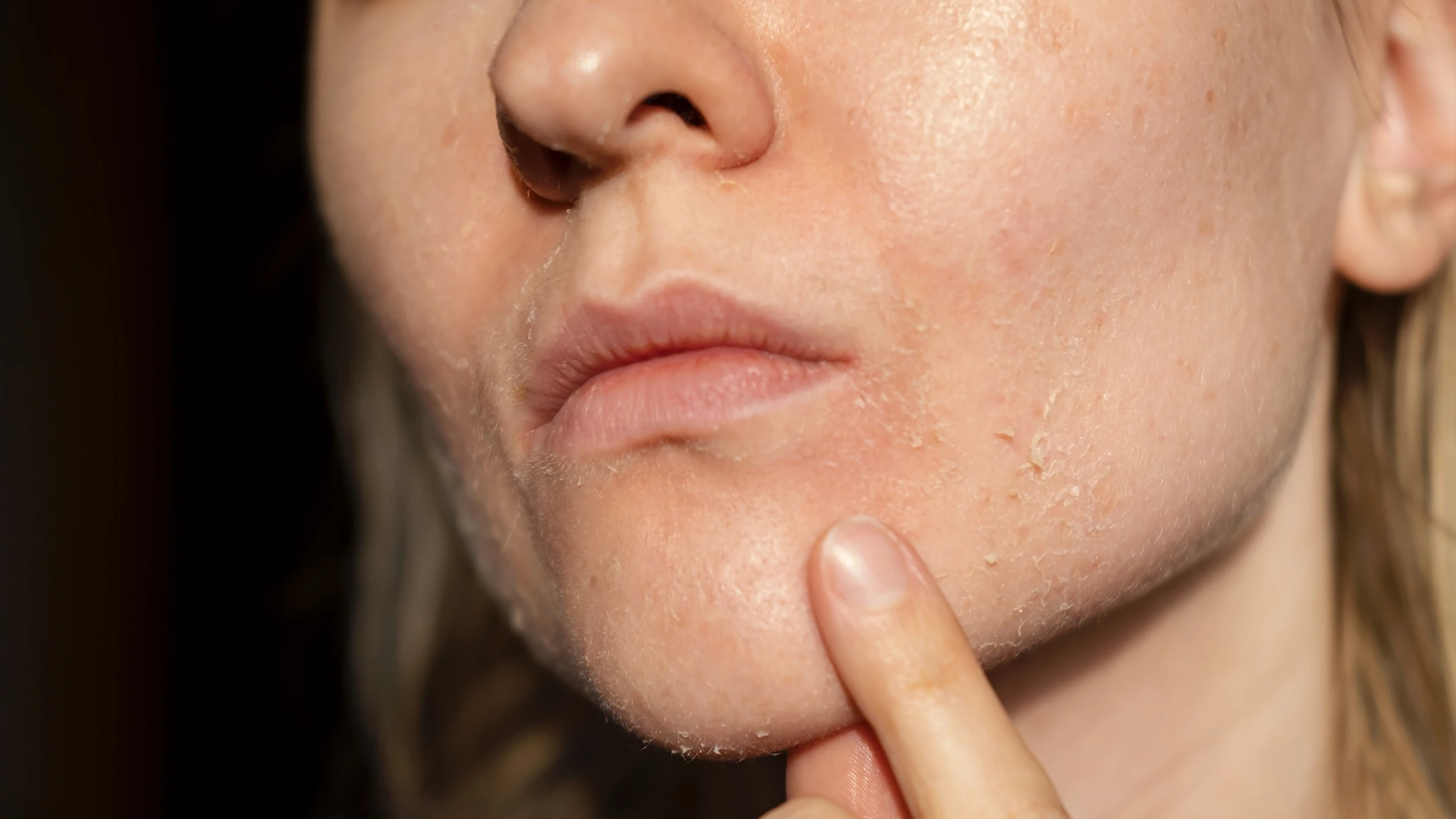
Your skin feels tight after washing, looks dull despite your best efforts, and fine lines seem more pronounced than usual. These aren't signs of aging or naturally dry skin—you're likely dealing with dehydrated skin, a condition that most of us deal with at some point. Unlike dry skin, which is a skin type you're born with, dehydration is a temporary condition where your skin lacks water, not oil. The good news? It's completely fixable with the right approach. This step-by-step guide will show you exactly how to restore your skin's hydration levels and get that plump, healthy look back. With consistent care, most people see noticeable improvement within 2-3 weeks, and Asaya's research into melanin-rich skin has shown that proper hydration is especially crucial for maintaining an even skin tone.
Dehydrated skin lacks water (not oil) and shows up as tightness, dullness, and fine lines that can be fixed with proper hydration techniques
The treatment involves gentle cleansing, water-based serums with hyaluronic acid, barrier-repairing moisturizers, and lifestyle changes like drinking more water
Most people see visible improvement in 2-3 weeks with consistent daily care, but severe dehydration may take 4-6 weeks to fully resolve
Before you can fix skin dehydration, you need to understand what you're dealing with. Dehydrated skin is often confused with dry skin, but they're completely different conditions that require different treatments.
The signs of dehydrated skin are pretty specific once you know what to look for. Your skin might feel tight, especially after cleansing, and look dull or lackluster even when you're using your usual products. Fine lines become more noticeable, particularly around your eyes and mouth. Here's a simple test: gently pinch the skin on the back of your hand and release it. If it takes a moment to bounce back to normal, that's a sign of dehydration.
You might also notice your makeup doesn't sit as smoothly as usual, or your skin feels rough to the touch. Some people describe it as their skin feeling "thirsty" or like it's drinking up every product they apply without getting satisfied.
This distinction matters because the treatments are completely different. Dry skin is a skin type—you're born with fewer oil glands, so your skin naturally produces less sebum. It's a permanent characteristic that you manage rather than cure. Dehydrated skin, on the other hand, is a temporary condition where your skin lacks water content.
You can have oily skin that's dehydrated, or dry skin that's well-hydrated. The confusion happens because both can make your skin feel tight and uncomfortable, but dehydrated skin specifically needs water-based treatments, while dry skin needs oil-based ones.
Understanding the causes of skin dehydration helps you prevent it from happening again. Your environment is probably working against you here—air conditioning, heating, wind, and low humidity all pull moisture from your skin. Hot showers, while relaxing, strip your skin's natural moisture barrier.
Your lifestyle matters too. Not drinking enough water, consuming too much caffeine or alcohol, lack of sleep, and high stress levels all contribute to dehydration. Even some skincare ingredients, like harsh cleansers or overuse of exfoliating acids, can disrupt your skin's ability to hold onto water.
This is where the real dehydration treatment begins. This approach focuses on rebuilding your skin's water content and strengthening its ability to retain moisture.
Start with a gentle, hydrating cleanser. Avoid anything that makes your skin feel tight or squeaky clean—that's a sign it's stripping away natural oils your skin needs to hold onto water. Cream cleansers, oil cleansers, or micellar water work best for dehydrated skin.
Use lukewarm water, not hot, and limit cleansing to twice a day maximum. Pat your skin dry instead of rubbing, and apply your next product while your skin is still slightly damp to lock in that extra moisture.
This is where water-based serums for skin really shine. Hyaluronic acid is your best friend here—it can hold up to 1,000 times its weight in water in lab conditions. Apply it to damp skin for maximum effectiveness. Niacinamide is another excellent choice as it helps your skin retain water and strengthens the moisture barrier.
Layer these products from thinnest to thickest consistency. Give each layer a minute or two to absorb before applying the next one. This technique helps you boost skin hydration more effectively than applying everything at once.
Choose the best moisturizers for dehydrated skin by looking for ingredients like ceramides, glycerin, and squalane. These help repair your skin's barrier function so it can hold onto the water you're adding. Even if you have oily skin, don't skip this step—dehydrated skin often overproduces oil to compensate for lack of water.
Apply your moisturizer while your serum is still slightly tacky. This helps seal everything in and prevents water loss throughout the day.
How to rehydrate skin goes beyond topical products. Aim for 8-10 glasses of water daily, but don't expect immediate skin changes—it takes time for internal hydration to show up on your face. Reduce caffeine and alcohol, both of which can dehydrate you.
Get 7-9 hours of sleep and manage stress through exercise, meditation, or whatever works for you. Your skin repairs itself overnight, and stress hormones can interfere with this process.
A consistent skincare routine for dehydrated skin is key to seeing lasting results. The goal is to add water to your skin and help it stay there.
Start with your gentle cleanser, followed by a hydrating toner or essence if you like the extra step. Apply your hyaluronic acid serum to damp skin, then your moisturizer. Finish with broad-spectrum SPF 30 or higher—sun damage makes dehydration worse and harder to treat.
Keep it simple in the morning. Your skin is naturally more hydrated when you wake up, so focus on maintaining that moisture throughout the day.
Your PM routine can be more intensive. After cleansing, you might add a hydrating essence or treatment serum. This is also when you can use slightly richer moisturizers or add a facial oil on top if your skin tolerates it well.
Once or twice a week, use a hydrating mask for an extra boost. Look for ingredients like hyaluronic acid, aloe vera, or honey in these treatments.
While proper skincare products work fastest, these dehydrated skin remedies can support your routine and provide immediate relief when your skin feels particularly parched.
Honey is a natural humectant that draws moisture to your skin. Mix raw honey with a little water and leave it on for 15-20 minutes before rinsing. Aloe vera gel straight from the plant provides instant cooling relief and helps your skin hold onto moisture.
Green tea compresses can soothe irritated, dehydrated skin. Brew strong green tea, let it cool, then soak a clean cloth and apply to your face for 10 minutes.
Use a humidifier in your bedroom, especially during winter when heating systems dry out the air. Aim for 40-60% humidity. Keep your showers short and cool, and apply moisturizer immediately after patting your skin dry.
Consider your environment throughout the day. If you work in an air-conditioned office, keep a hydrating mist at your desk for midday touch-ups.
Sometimes skin hydration tips and home care aren't enough, especially if you're dealing with severe dehydration or underlying skin conditions.
Hydrafacials and professional hydrating treatments can give your skin an intensive moisture boost. These treatments often use higher concentrations of active ingredients than what's available in over-the-counter products.
If your dehydration doesn't improve after 6-8 weeks of consistent care, or if it's accompanied by persistent irritation, redness, or unusual symptoms, see a dermatologist. Sometimes what looks like dehydration is actually a sign of an underlying condition like eczema or seborrheic dermatitis.
If your treatment isn't working, you might be using too many products at once, which can overwhelm your skin. Or you might be using the wrong type of moisturizer—if you have oily, dehydrated skin, heavy creams might clog your pores without solving the hydration issue.
Be patient with the timeline. Most people expect overnight results, but skin cell turnover takes about 28 days. You should see some improvement in 2-3 weeks, with full results taking 4-6 weeks of consistent care.
Most people notice improvement within 2-3 weeks of consistent treatment. Your skin should feel less tight and look more plump within the first week, but full restoration of your moisture barrier takes about a month. Severe dehydration might take 6-8 weeks to completely resolve.
Yes, absolutely. Dehydrated skin often overproduces oil to compensate for lack of water, which can make you think you have oily skin when you actually need hydration, not oil control. This is why it's important to understand the difference between skin type and skin condition.
The pinch test is the easiest method. Gently pinch the skin on the back of your hand and release. If it takes more than a second to bounce back, you're likely dehydrated. You can also pay attention to how your skin feels after cleansing—if it feels tight or uncomfortable, that's usually a sign of dehydration.
Asaya's formulations are designed for melanin-rich skin and focus primarily on pigmentation concerns, but proper hydration is essential for maintaining even skin tone. Their gentle, science-backed approach can work well as part of a hydrating routine, especially if you're also dealing with dark spots or uneven tone alongside dehydration.
Fixing dehydrated skin isn't complicated, but it does require consistency and patience. Start with gentle cleansing, add water-based serums, seal everything in with a good moisturizer, and support your efforts with proper hydration and sleep. Most importantly, give your routine time to work—your skin didn't become dehydrated overnight, and it won't heal overnight either.
Remember that healthy, hydrated skin is the foundation for everything else. When your skin's moisture barrier is functioning properly, it's better able to maintain an even tone and resist environmental damage. Asaya's MelaMe™ Complex is particularly relevant here—this advanced skincare engineering has been designed to work optimally on well-hydrated, melanin-rich skin. The complex visibly treats discoloration and restores pigment balance, performing best when your skin's hydration levels are balanced. MelaMe™ works by breaking down existing melanin deposits into re-absorbable amino acids while inhibiting excess melanin production, bringing you even-toned, clarified skin more effectively than traditional ingredients alone.
