


Dehydrated Skin vs Dry Skin Explained: Key Differences
Your Cart
0You May Also Like
If you've ever felt confused about whether your skin is actually dry or just thirsty for water, you're definitely not alone. Many people struggle to figure out whether their skin is actually dry or just dehydrated, and the difference matters more than you might think. Getting this wrong means using the wrong products. This can make things worse instead of better. Understanding whether you're dealing with a lack of water or a lack of oil changes everything about how you should care for your skin.
Dry skin lacks oil and is a permanent skin type, while dehydrated skin lacks water and is a temporary condition that any skin type can experience
Simple tests like the pinch test and observing how your skin feels after cleansing can help you determine which one you're dealing with
Treatment approaches are completely different: dehydrated skin needs water-based hydration, dry skin needs oil-based moisture
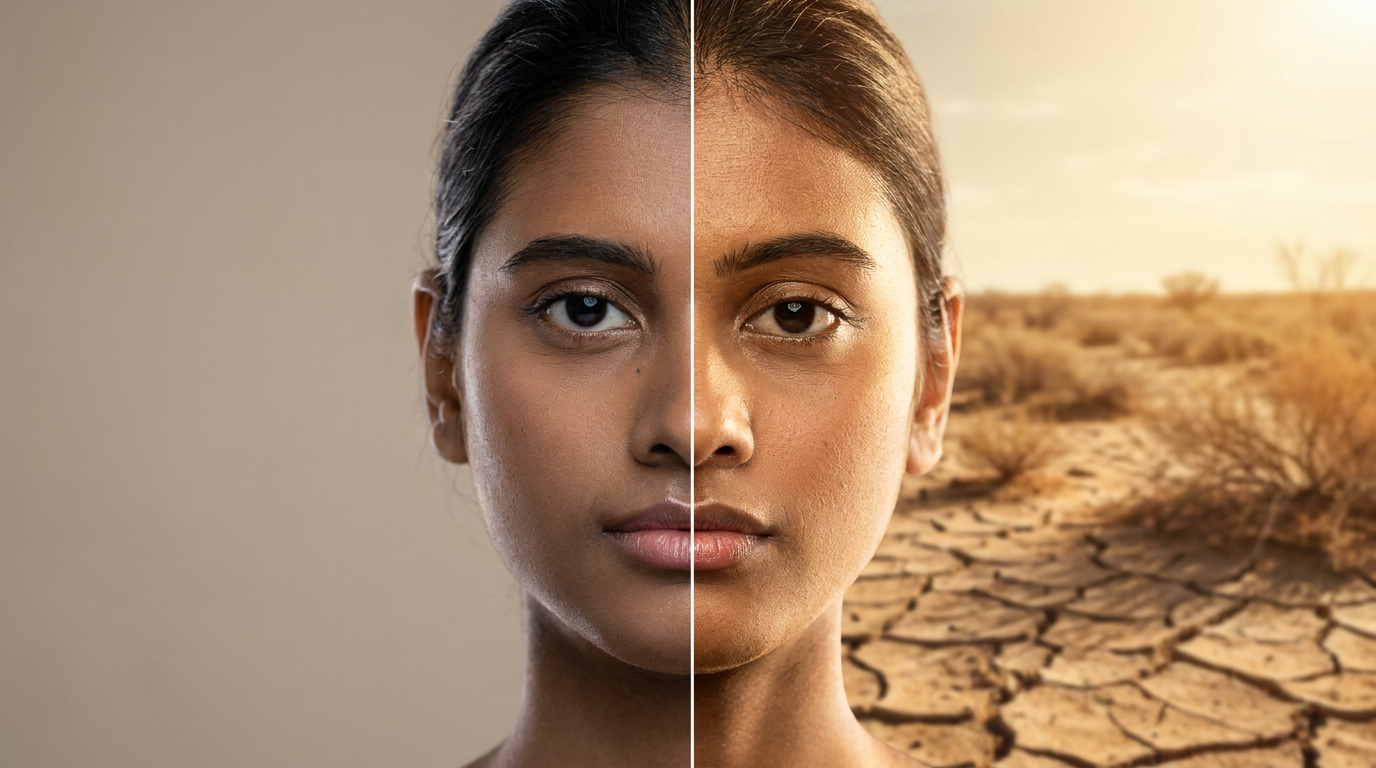
The confusion between dry and dehydrated skin happens because both can make your skin feel uncomfortable, but they're completely different issues. Think of it like this: dry skin is missing oil, dehydrated skin is missing water. Your skin needs both to function properly, but the solutions are totally different.
Dry skin symptoms include a genetic lack of oil production. Your oil glands simply don't make enough natural oils to keep your skin barrier healthy. This shows up as rough texture, visible flaking, and often redness or irritation. It's not something you develop temporarily – it's how your skin naturally behaves throughout your life, though it can get worse with age or environmental factors.
Dehydrated skin causes include environmental factors, lifestyle choices, and even the wrong skincare products. When your skin loses water faster than it can retain it, you get dehydration. The tricky part? Any skin type can become dehydrated, including oily skin. You can have oily dehydrated skin where your face produces plenty of oil but still lacks water underneath.
Figuring out is my skin dry or dehydrated doesn't require a dermatologist visit. There are simple tests you can do at home to get your answer.
Gently pinch a small area of skin on your cheek and release it. If it snaps back within 1-2 seconds, your hydration levels are good. If it takes 3+ seconds to bounce back or shows visible tenting, you're looking at dehydration. This test works because well-hydrated skin has better elasticity.
Wash your face with your regular cleanser and don't apply anything afterward. Wait 30 minutes. If your skin feels tight and uncomfortable but doesn't look flaky, that's dehydration. If it feels tight and you can see actual dry patches or flaking, that's dry skin. If it starts producing oil again within an hour, you likely have oily dehydrated skin.
The signs of dehydrated skin and dry skin symptoms can overlap, but knowing what to look for makes the difference clear.
Dehydrated skin often feels tight after cleansing but may still produce oil later in the day. You might notice your skin looks dull or lackluster, even if it's not flaky. Fine lines can appear suddenly, especially around the eyes, and your skin might become more sensitive to products it usually tolerates well. This happens to everyone, and it's totally normal confusion. The oily dehydrated skin paradox is real – your skin can feel greasy on the surface while being thirsty for water underneath.
Dry skin shows persistent flaking and scaling that doesn't go away with regular moisturizing. The texture feels rough and uneven, and you might see redness or irritation, especially in colder months. Unlike dehydrated skin, dry skin rarely produces excess oil – it just feels consistently tight and uncomfortable.
Treating dehydrated skin is about getting water into your skin and keeping it there. This requires a different approach than treating dry skin.
Look for ingredients like hyaluronic acid, glycerin, and sodium PCA – these are humectants that pull water into your skin. Apply these products to slightly damp skin to boost their effectiveness. A good moisturizer for dehydrated skin should be lightweight but water-rich, not heavy and oily.
Drinking more water helps, but it's not the complete solution. Use a humidifier in dry environments, especially during winter. Avoid long, hot showers that strip your skin's natural moisture barrier. Getting enough sleep and managing stress also impact how well your skin retains water.
Dry skin needs a completely different approach focused on replacing the oils your skin doesn't produce naturally.
Look for ceramides, fatty acids, and cholesterol – these help rebuild your skin barrier. Occlusive ingredients like petrolatum or dimethicone create a protective layer that prevents water loss. Unlike dehydrated skin, dry skin benefits from richer, oil-based moisturizers that feel heavier on the skin.
Use cream-based cleansers instead of foaming ones that can strip natural oils. Apply moisturizer while your skin is still slightly damp to lock in hydration. In winter or dry climates, you might need to layer a facial oil under your moisturizer for extra protection.
The pinch test and post-cleansing assessment are your best starting points. Dehydrated skin bounces back slowly from pinching and feels tight but may still produce oil. Dry skin shows visible flaking and feels consistently tight without oil production.
Yes, absolutely. You can have naturally dry skin that's also dehydrated. In this case, you need both water-based hydration and oil-based moisture. Start with hydrating products, then layer oil-based moisturizers on top.
With consistent use of the right products, most people see improvement in dehydrated skin within 1-2 weeks. Dry skin takes longer to improve since you're working with your natural skin type, not just a temporary condition.
This is a classic sign of dehydrated skin, especially if you have an oily skin type. Your skin is producing oil to compensate for the lack of water. It's a sign your skin barrier might be compromised and needs more water-based hydration. Look for lightweight, hydrating serums and moisturizers.
Understanding the difference between dry and dehydrated skin changes how you approach your skincare routine entirely. Dehydrated skin needs water and humectants, while dry skin needs oils and barrier repair. Many people have combination concerns that require both approaches. The key is starting with hydration first, then adding oils if needed. For those dealing with pigmentation concerns, Asaya's MelaMe™ Complex offers an advanced solution. This melanin-first molecule has been designed to visibly treat discoloration and restore pigment balance in your skin. MelaMe™ works by breaking down excess melanin deposits while preventing new dark spots from forming, giving you clearer, more even-toned skin regardless of whether you're dealing with dry or dehydrated skin underneath.
