


Dehydrated Skin vs. Dry Skin in India's Humid Weather: A Comparison
Your Cart
0You May Also Like
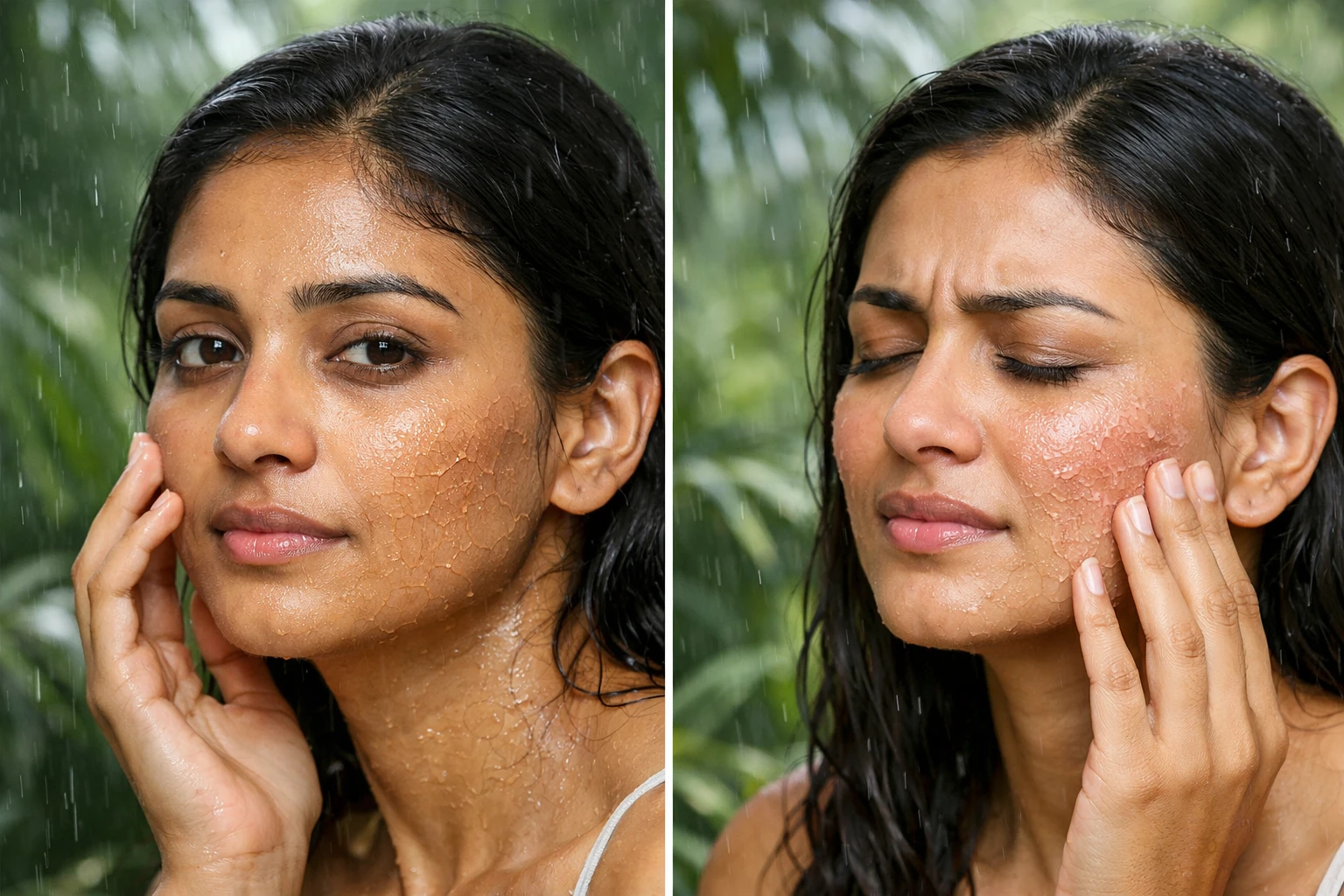
Living in India means dealing with a complex mix of weather patterns that can leave your skin feeling confused and thirsty. From the scorching summer heat to monsoon humidity and winter dryness, our skin faces unique challenges that many skincare guides simply don't address. The biggest misconception? That humid weather automatically means hydrated skin. In reality, dehydrated skin in Indian climate is incredibly common, even during the wettest monsoon months. Understanding the difference between truly dry skin and dehydrated skin can transform your skincare routine and finally give you the healthy, glowing complexion you've been seeking.
India's diverse climate zones create a perfect storm for skin confusion. Unlike countries with more predictable weather patterns, we experience extreme variations that can change within a single day. The combination of pollution, hard water, air conditioning, and dramatic seasonal shifts creates conditions that traditional skincare advice often fails to address.
What makes dehydrated skin in Indian climate so tricky is that it often masquerades as other skin concerns. You might think you have oily skin because of the shine, or assume your skin is fine because you live in a humid city like Mumbai or Chennai.
Each region of India presents its own skin challenges. Delhi's harsh winters can drop humidity levels drastically, while cities like Bengaluru experience year-round moderate weather that still manages to dehydrate skin through pollution and hard water. The monsoon season brings its own set of problems - while the air feels humid, increased washing due to sweat and grime actually strips your skin's natural moisture barrier.
This is where many people get confused about dry skin in humid weather. High humidity doesn't automatically translate to skin hydration. In fact, humid conditions often lead to increased sweating, which can disrupt your skin's pH balance and natural protective barrier. Add frequent washing to remove sweat and pollution, and you end up with skin that feels tight and looks dull despite the moisture in the air.
The confusion between oily skin vs dehydrated skin affects millions of Indians who end up using the wrong products for years. Dry skin is a skin type - you're born with it, and it's characterized by a lack of oil production. Dehydrated skin, on the other hand, is a temporary condition where your skin lacks water, not oil.
This distinction is crucial for choosing the right skin hydration tips for India because the solutions are completely different. Dry skin needs oil-based products, while dehydrated skin needs water-based hydration.
Dehydrated skin in India often presents as an oily T-zone with tight, uncomfortable cheeks. You might notice fine lines appearing earlier than expected, especially around your eyes. Your skin might feel tight after cleansing, even if you use a gentle cleanser. The telltale sign? Your skin looks dull and lacks that healthy glow, despite using brightening products.
Genuine dry skin feels rough and may have visible flakes, especially during winter months. It rarely produces excess oil, even in humid conditions. People with dry skin often struggle with makeup application because products don't blend smoothly over the rough texture.
Try this simple test: wash your face with a gentle cleanser and don't apply any products. After 30 minutes, check how your skin feels. If it's tight all over, you likely have dry skin. If only certain areas feel tight while others look shiny, you're dealing with dehydrated skin.
The causes of dry skin in tropical climate are more complex than you might think. It's not just about the weather outside - it's about how we adapt to that weather and the environmental factors we encounter daily.
Air conditioning, which is essential for survival in Indian summers, creates an artificially dry environment that pulls moisture from your skin. Hard water, common in many Indian cities, leaves mineral deposits that can clog pores and disrupt your skin's natural balance.
During monsoons, the high humidity tricks many people into thinking their skin doesn't need extra hydration. However, increased washing due to sweat and pollution, combined with fungal concerns that lead to over-cleansing, actually strips away your skin's protective barrier.
Indian summers are particularly harsh on skin hydration. The intense UV rays break down collagen and elastin, while extreme heat causes water loss through increased perspiration. Pollution particles stick to sweaty skin, requiring more frequent cleansing that further depletes moisture levels.
Even in South India, where winters are mild, the drop in humidity can catch your skin off guard. Northern regions experience dramatic temperature drops that can leave skin feeling raw and uncomfortable. Indoor heating, though less common than in Western countries, still affects skin hydration when used.
Creating an effective skincare routine for dehydrated skin in India requires understanding that one size doesn't fit all seasons. Your routine needs to be flexible enough to adapt to changing weather while consistent enough to repair and maintain your skin barrier.
The key is focusing on skin barrier repair India strategies that work with our climate, not against it. This means choosing products that can handle humidity without feeling heavy, yet provide enough hydration during dry spells.
Start with a gentle, pH-balanced cleanser that removes overnight buildup without stripping your skin. Follow with a lightweight, water-based serum containing hyaluronic acid or glycerin. These ingredients draw moisture from the environment - perfect for India's generally humid conditions.
Evening is when you address the day's damage from pollution and UV exposure. Double cleansing becomes essential - start with an oil-based cleanser to remove sunscreen and pollution, followed by a gentle water-based cleanser. This is when you can use richer, more nourishing products that work overnight to repair your skin barrier.
Your skin's needs change dramatically with India's seasons. During monsoons, focus on lightweight, fast-absorbing products that won't feel sticky in humidity. Winter calls for richer formulations that can combat the dry air and harsh winds common in many regions.
When searching for the best moisturizers for dry skin India, ingredient lists matter more than brand names. Look for products specifically formulated to handle our climate challenges while addressing the underlying causes of dehydration.
Understanding how to combat dry skin effectively means choosing products with proven ingredients that work synergistically to restore and maintain hydration levels throughout the day.
Hyaluronic acid is particularly effective in India's generally humid climate because it draws moisture from the environment. Ceramides help repair the skin barrier that's constantly under attack from pollution and harsh weather. Niacinamide not only hydrates but also helps control excess oil production in combination skin types.
Gel-based moisturizers work beautifully during humid months, providing hydration without the heavy feel that can be uncomfortable in high humidity. During cooler, drier months, cream-based formulations offer the richer texture needed to combat environmental moisture loss.
Effective hydration doesn't require breaking the bank. Many affordable Indian brands now offer sophisticated formulations with proven ingredients. The key is understanding what your skin needs and choosing products based on ingredient efficacy rather than price point.
India's rich tradition of natural skincare offers time-tested solutions for hydration challenges. These natural remedies for dehydrated skin have been refined over generations and often work beautifully alongside modern skincare products.
Many traditional ingredients are particularly well-suited to Indian skin and climate conditions, offering gentle yet effective solutions for maintaining hydration.
Ayurveda recognizes that skin health reflects internal balance. Ingredients like rose water, sandalwood, and turmeric have natural hydrating and anti-inflammatory properties. These traditional remedies work particularly well as part of facial treatments for dry skin routines.
Coconut oil, readily available across India, provides immediate relief for severely dehydrated skin. Aloe vera, which grows easily in Indian climates, offers cooling hydration perfect for post-sun exposure care. Raw honey acts as a natural humectant, drawing moisture to the skin.
Professional hydrating treatments can provide intensive relief for severely dehydrated skin. Oxygen facials and hydrating masks using professional-grade ingredients can jumpstart your skin's recovery process, especially after periods of neglect or extreme weather exposure.
Yes, dehydrated skin is surprisingly common in India despite the humidity. Factors like pollution, hard water, air conditioning, and frequent washing due to sweat can strip skin of its natural moisture, leading to dehydration even in humid conditions.
Dry skin is a skin type characterized by low oil production and feels rough or flaky. Dehydrated skin lacks water and can feel tight even if it looks oily. Dehydrated skin often shows fine lines that disappear when you're well-hydrated, while dry skin has a consistently rough texture.
Apply moisturizer immediately after cleansing while your skin is still slightly damp. In humid weather, use lighter formulations during the day and richer products at night. During dry seasons, you may need to reapply throughout the day, especially in air-conditioned environments.
While proper hydration supports overall skin health, drinking water alone won't cure dehydrated skin. You need topical hydration through appropriate skincare products to directly address the skin barrier and prevent moisture loss from environmental factors.
Yes, monsoon season often requires lighter, fast-absorbing products that won't feel sticky in high humidity. However, don't skip hydration entirely - your skin still needs moisture, just in a different format. Gel-based serums and lightweight moisturizers work well during this time.
Understanding the difference between dry and dehydrated skin is crucial for anyone living in India's diverse climate conditions. Dehydrated skin in Indian climate is more common than many realize, affecting people across all regions and seasons. The key to healthy, hydrated skin lies in adapting your routine to seasonal changes while maintaining consistent barrier repair and protection.
Remember that effective hydration goes beyond just applying moisturizer. It involves understanding your environment, choosing appropriate products for your specific climate zone, and being willing to adjust your routine as conditions change. With the right approach, you can maintain healthy, glowing skin regardless of whether you're facing Delhi's dry winters or Chennai's humid summers.
