


Choosing Sunscreen Form: Your Complete FAQ Guide
Your Cart
0You May Also Like
Finding the right sunscreen can feel overwhelming when you're dealing with dehydrated skin. Your skin needs protection from harmful UV rays, but it also craves moisture and gentle care. The form of sunscreen you choose matters just as much as the SPF level. Whether you're considering a rich cream, lightweight lotion, convenient stick, or quick spray, each option offers unique benefits for your skin type. Understanding how different sunscreen forms work with dehydrated skin helps you make the best choice for daily protection and long-term skin health.
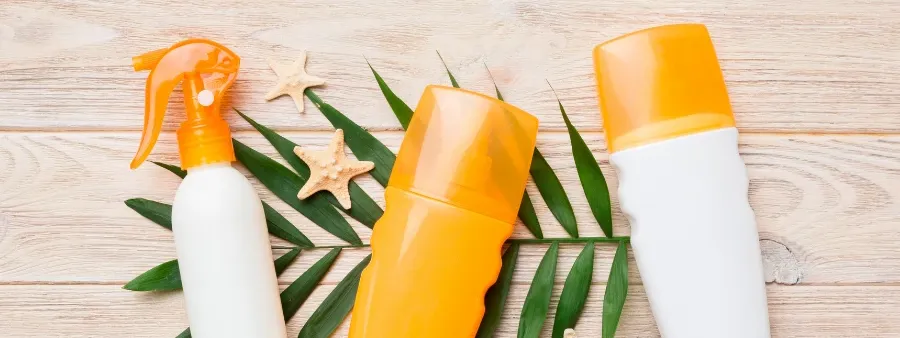
Sunscreen comes in several forms, each designed to meet different skin needs and lifestyle preferences. The main sunscreen types include lotions, creams, sticks, sprays, and gels. Each form has a unique texture and application method that affects how well it works with your skin.
Lotions offer lightweight coverage that absorbs quickly into skin. Creams provide richer moisture and longer-lasting hydration. Sticks give precise application for small areas like lips and around eyes. Sprays deliver quick, even coverage for large body areas.
Dehydrated skin lacks water content and often feels tight or rough. The wrong sunscreen form can make this worse by sitting on top of skin or causing further dryness. Choosing the right form helps deliver both protection and hydration your skin needs.
When your skin feels parched and tight, sunscreen for dehydrated skin should do double duty. It needs to shield you from UV damage while adding moisture back to your skin. The key lies in understanding which forms work best with your skin's current state.
Cream-based sunscreens typically work best for dehydrated skin. They contain more emollients and humectants that help lock in moisture. Look for formulas with hyaluronic acid, glycerin, or ceramides that boost hydration levels.
Choose sunscreens with niacinamide, vitamin E, or aloe vera for added skin benefits. Avoid alcohol-heavy formulas or those with strong fragrances that can irritate already sensitive, dehydrated skin.
Sunscreen lotion strikes a balance between moisture and lightweight feel. It spreads easily and absorbs well, making it perfect for daily face use. Most people find lotions comfortable for regular wear under makeup or alone.
Creams offer the richest moisture content of all sunscreen forms. They work especially well for very dry or mature skin that needs extra hydration. The thicker texture takes longer to absorb but provides lasting comfort.
Sunscreen stick products excel for targeted application. They work great around delicate eye areas, on lips, or for touch-ups throughout the day. The waxy texture helps create a protective barrier on skin.
Mineral sunscreen and chemical sunscreen each work differently with various forms. Mineral sunscreens use zinc oxide or titanium dioxide to physically block UV rays. They often come in thicker creams or lotions that can leave a white cast.
Mineral formulas work best in cream or lotion forms where the active ingredients can be properly blended. Newer formulations use micronized particles that reduce the white appearance while maintaining protection.
Chemical sunscreens absorb UV rays and convert them to heat. They blend more easily into different forms, from lightweight gels to rich creams. This versatility makes them popular for various skin types and preferences.
Sunscreen spray offers convenience for quick application, especially on large body areas. However, sprays require careful technique to ensure even coverage and adequate protection. Many people don't apply enough spray sunscreen to get the stated SPF protection.
Sprays excel for reapplication over makeup or for covering hard-to-reach areas like your back. They work well for active lifestyles where quick touch-ups are needed. Choose sprays for body use rather than face application when possible.
Never spray directly onto your face due to inhalation risks. Instead, spray into your hands first, then apply to facial areas. Use sprays in well-ventilated areas and avoid windy conditions that can reduce coverage.
Lotion or lightweight cream sunscreens work best for daily facial use. They absorb well, don't feel heavy, and work nicely under makeup. Look for broad-spectrum formulas with at least SPF 30 for adequate protection.
Yes, you can use different forms for different areas. Many people use cream on their face and spray on their body. Just make sure each area gets adequate coverage and reapply as needed throughout the day.
Use about 1/4 teaspoon for your face regardless of form. For body coverage, you need about 1 ounce total. Sprays require more product since some disperses into the air during application.
Lotions and creams typically provide the most even coverage since you can see exactly where you're applying them. Sprays can miss spots if not applied carefully, while sticks work best for small, targeted areas.
All sunscreen forms need reapplication every two hours, or immediately after swimming or heavy sweating. Sprays make reapplication easier, especially over makeup, but creams and lotions often last longer between applications.
Most sunscreens last 2-3 years unopened, regardless of form. Once opened, use within 12 months for best effectiveness. Sprays may lose pressure over time, while creams can separate or change texture if stored improperly.
Choosing the right sunscreen form for dehydrated skin doesn't have to be complicated. Focus on cream or lotion formulas that offer both protection and moisture. Consider your lifestyle needs - whether you need quick application, precise coverage, or long-lasting hydration. Remember that the best sunscreen is the one you'll use consistently every day. Take time to test different forms and find what feels comfortable on your skin. With the right choice, you can protect your skin while keeping it healthy and hydrated all year long.
