


13 Ways Sweat and Moisture Change Your Body Pigmentation
Your Cart
0You May Also Like
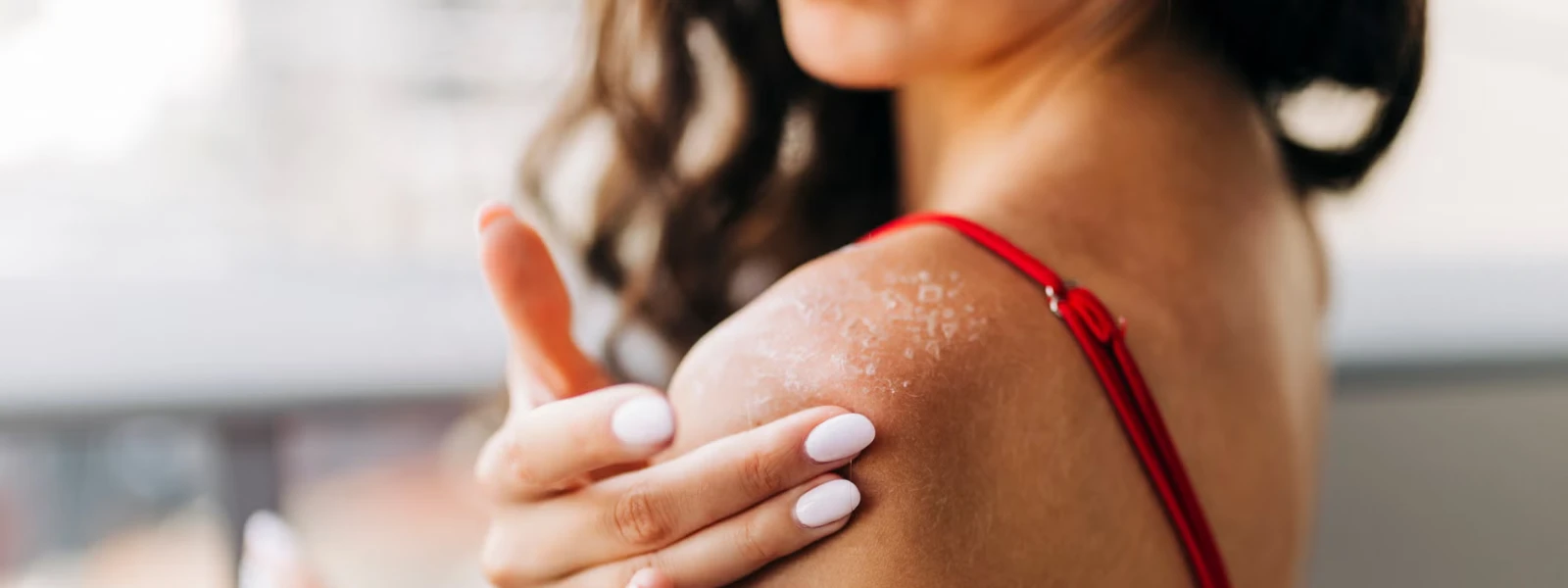
Your skin tells a story, and sweat plays a bigger role in that narrative than you might think. Every drop of perspiration that forms on your body can trigger a cascade of changes in your skin's pigmentation. From the moment moisture appears on your skin to hours after it dries, complex biological processes are at work that can either protect or alter your skin tone. Understanding the impact of sweat and moisture on body pigmentation helps you take control of these changes and maintain the even, healthy complexion you desire.
When you sweat, your body doesn't just release water and salt. This natural cooling mechanism sets off a complex chain reaction that directly affects how your skin produces and distributes melanin. The relationship between sweat effects on skin tone goes far deeper than surface-level irritation.
Your melanocytes, the cells responsible for producing pigment, react strongly to inflammation caused by sweat. When sweat sits on your skin, it creates an environment that can trigger inflammatory responses. This inflammation signals your melanocytes to produce more melanin as a protective mechanism, leading to post-inflammatory hyperpigmentation.
Normal skin maintains a slightly acidic pH of around 5.5, but sweat typically has a pH between 6.5 and 7.5. This alkaline shift disrupts your skin's natural barrier function and can create conditions that promote uneven pigmentation and moisture and skin discoloration.
The ways sweat and moisture affect your skin pigmentation are numerous and often interconnected. Each mechanism works differently, but all contribute to the complex relationship between perspiration and skin tone changes.
1. Friction-Induced Hyperpigmentation from Sweat: Wet skin becomes more susceptible to friction damage. When sweat makes your skin damp, clothing and skin-to-skin contact create increased friction that can lead to hyperpigmentation from sweat. This is especially common in areas where clothing rubs against sweaty skin.
2. Sweat Rash and Skin Darkening: Miliaria, commonly known as heat rash, occurs when sweat ducts become blocked. The resulting inflammation and healing process often leave behind darker patches of skin, creating lasting pigmentation changes that can take months to fade.
3. Salt Crystal Irritation: As sweat evaporates, it leaves behind salt crystals that can irritate your skin. These microscopic crystals create ongoing low-level irritation that stimulates melanin production, leading to gradual darkening in areas where you sweat frequently.
4. Bacterial Overgrowth Pigmentation: Sweat creates an ideal breeding ground for bacteria. When bacterial populations multiply on sweaty skin, they can cause infections and inflammation that trigger pigmentation changes as your skin heals.
5. Chromhidrosis: This rare condition causes colored sweat that can temporarily or permanently stain the skin. The pigments in the sweat itself can create lasting discoloration, particularly in areas where chromhidrosis occurs regularly.
6. Skin Darkening Due to Humidity: High environmental humidity affects how your skin regulates moisture and can lead to changes in melanin distribution. Skin darkening due to humidity often occurs gradually and may be more noticeable in people with naturally higher melanin production.
7. Fungal Infections and Discoloration: Excess moisture creates perfect conditions for fungal growth. Tinea versicolor, a common fungal infection, causes patches of lighter or darker skin that can persist long after the infection is treated.
8. Barrier Dysfunction Hyperpigmentation: When moisture disrupts your skin's protective barrier, it becomes more vulnerable to irritants and UV damage. This compromised barrier function can lead to uneven pigmentation and increased sensitivity to other pigmentation triggers.
9. Occlusive Clothing Pigmentation: Tight or non-breathable clothing traps moisture against your skin, creating a humid microenvironment that promotes bacterial growth and inflammation, leading to darkening in covered areas.
10. Sweat-Induced Melasma Triggers: Heat and moisture can activate hormonal pigmentation patterns, particularly in women. Sweat-induced melasma often appears as symmetrical patches on the face and can be triggered or worsened by excessive sweating and heat exposure.
11. Exercise-Related Pigmentation: Intense physical activity increases both sweat production and blood flow to the skin. This combination can trigger body pigmentation changes sweat that develop over time with regular exercise routines.
12. Seasonal Pigmentation Fluctuations: Your skin's response to moisture changes with the seasons. Summer's high humidity and increased sweating often lead to more pronounced pigmentation changes compared to drier winter months.
13. Age-Related Sweat Pigmentation: As you age, your skin becomes less efficient at managing moisture and more prone to pigmentation changes. Moisture's role in uneven skin tone becomes more significant with advancing age due to decreased skin barrier function.
Certain areas of your body are particularly vulnerable to pigmentation changes from sweat and moisture. Understanding these high-risk zones helps you focus your prevention efforts where they're needed most.
Your face and neck are especially susceptible to sweat and skin darkening causes because the skin is thinner and more sensitive. The upper lip, forehead, and sides of the neck often show the first signs of sweat-related pigmentation changes.
Areas where skin folds create natural moisture traps experience accelerated pigmentation changes. Underarms, groin areas, and the skin under breasts are particularly prone to darkening from trapped sweat and reduced air circulation.
Preventing pigmentation changes from sweat requires a multi-faceted approach that addresses both immediate sweat management and long-term skin health. The key is consistency in your prevention routine.
The first hour after sweating is crucial for preventing pigmentation changes. Gentle cleansing with pH-balanced products removes sweat residue without over-drying your skin. Pat your skin dry rather than rubbing to minimize friction-induced irritation.
Choose moisture-wicking fabrics that keep sweat away from your skin. Cotton and synthetic blends designed for athletic wear help reduce the time sweat spends in contact with your skin, minimizing humidity's effect on skin pigmentation.
Sweating doesn't remove pigmentation. While some people believe sweat "detoxes" the skin, melanin deposits in the deeper layers of skin aren't affected by surface sweating. In fact, excessive sweating often worsens existing pigmentation through inflammation and irritation.
Proper hydration supports healthy skin turnover, which can help fade pigmentation over time. However, this refers to controlled moisture from skincare products, not the uncontrolled moisture from sweat that often triggers pigmentation problems.
Yes, sweating can worsen melasma. The heat that causes sweating, combined with the inflammatory response to sweat on the skin, can trigger hormonal pigmentation patterns. This is why melasma often worsens during summer months or with intense exercise.
Sweat-induced pigmentation typically takes 3-6 months to fade naturally, depending on the severity and your skin's turnover rate. Consistent use of targeted treatments can reduce this timeline significantly.
Understanding how sweat and moisture affect your skin pigmentation empowers you to take proactive steps in your skincare routine. The relationship between perspiration and skin tone changes is complex, involving everything from pH shifts to bacterial overgrowth. By recognizing the 13 ways sweat transforms your pigmentation and implementing targeted prevention strategies, you can maintain healthier, more even-toned skin year-round. Remember that consistency in your post-sweat care routine and choosing appropriate clothing and skincare products makes the biggest difference in preventing unwanted pigmentation changes.
