


13 Climate Control Skin Tips for Optimal Hydration Strategies
Your Cart
0You May Also Like
Your skin faces a constant battle against environmental changes, from scorching summers to air-conditioned offices and dry winters. Understanding how different climates affect your skin's moisture levels is the first step toward maintaining healthy, hydrated skin year-round. Whether you're dealing with the harsh effects of indoor heating or struggling with managing dry skin in different climates, the right approach can transform your skin's resilience. These proven climate control skin tips will help you adapt your routine to any environment while keeping your skin barrier strong and moisture levels optimal.
Climate directly impacts your skin's natural barrier function through changes in humidity, temperature, and air circulation. When humidity and skin health work together, your skin maintains its natural moisture balance effortlessly. However, low humidity environments can cause your skin to lose up to 25% more moisture than normal conditions.
The science behind environmental effects on skin moisture reveals that your skin's lipid barrier becomes compromised when exposed to extreme temperatures or dry air. Indoor heating systems can reduce humidity levels to as low as 10%, while natural desert climates hover around 20-30%. Your skin thrives in 40-60% humidity levels, making climate control essential for optimal hydration.
Building a strong foundation for climate-resistant skin starts with understanding the difference between indoor climate skincare and outdoor climate skincare needs. Your skin requires different protection strategies depending on whether you're facing natural weather elements or artificial climate control systems.
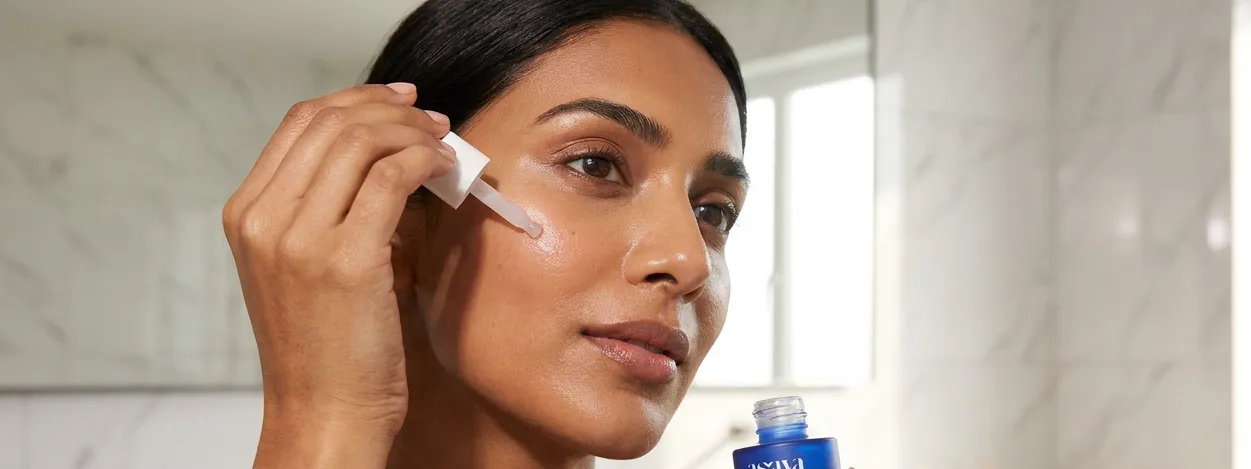
The key to effective skin hydration strategies lies in proper product layering. Start with the thinnest consistency products and build up to heavier formulations. This approach ensures each layer penetrates effectively without creating barriers that prevent absorption.
Different climates demand different product formulations. Humid environments benefit from lightweight, gel-based moisturizers, while dry climates require richer, cream-based formulations with occlusive ingredients to prevent moisture loss.
These comprehensive tips address every aspect of climate-related skin care, from basic hydration techniques to advanced protection strategies. Each tip targets specific environmental challenges while building overall skin resilience.
1. Layer hydrating products strategically: Apply products from thinnest to thickest consistency. Start with essence, follow with serum, then moisturizer. This sequence ensures maximum absorption and prevents product pilling.
2. Choose climate-appropriate cleansers: Use cream-based cleansers in dry climates and gel cleansers in humid conditions. Avoid over-cleansing, which strips natural oils your skin needs for climate protection.
3. Time your skincare application: Apply products to slightly damp skin for enhanced absorption. In dry climates, apply moisturizer within three minutes of cleansing to lock in residual moisture.
4. Use humidifiers strategically: Place humidifiers in bedrooms and workspaces during dry seasons. Maintain 40-50% humidity levels for optimal skin barrier repair climate conditions.
5. Incorporate barrier-repair ingredients: Look for ceramides, hyaluronic acid, and niacinamide in your products. These ingredients strengthen your skin's natural defense against environmental moisture loss.
6. Apply occlusive layers: Use products containing petrolatum, dimethicone, or natural oils as the final step in your evening routine to seal in moisture overnight.
7. Adjust product thickness seasonally: Switch to lighter formulations during humid months and richer creams during dry seasons. Your skin's needs change with environmental conditions.
8. Practice the three-minute rule: Apply moisturizer within three minutes of showering or washing your face to trap water in your skin and prevent moisture evaporation.
9. Never skip sunscreen: UV protection is crucial in all climates. Cold weather and cloudy skies don't eliminate UV exposure, and snow can reflect up to 80% of UV rays back to your skin.
10. Use overnight treatments: Apply intensive hydrating masks or treatments 2-3 times weekly during harsh climate conditions to repair and restore your skin barrier.
11. Implement weekly deep hydration: Use hydrating sheet masks or overnight sleeping masks once weekly to boost moisture levels during challenging climate periods.
12. Monitor and adjust routines: Evaluate your skin's condition every 2-4 weeks and adjust products based on climate changes and seasonal transitions.
13. Stay internally hydrated: Drink adequate water and consume foods rich in omega-3 fatty acids to support your skin's moisture retention from within.
Desert climates and extremely dry environments require specialized approaches to skincare for arid environments. These conditions can cause rapid moisture loss and compromise your skin barrier within hours of exposure.
Focus on ingredients like glycerin, sodium hyaluronate, and ceramides that attract and retain moisture. Avoid alcohol-based products that can further dehydrate your skin. Consider using facial oils as an additional protective layer during extreme conditions.
Seasonal changes present unique challenges for maintaining consistent hydration levels. Preventing dehydration in cold weather skin requires different strategies than maintaining summer skin moisture balance.
Cold weather reduces natural oil production while indoor heating strips moisture from the air. Switch to cream-based cleansers and richer moisturizers. Add facial oils to your routine and protect exposed skin with scarves and protective clothing.
Hot, humid weather increases oil production but can still lead to dehydration through increased sweating. Use lightweight, water-based moisturizers and hydrating mists throughout the day. Don't skip moisturizer even if your skin feels oily.
Many people make critical errors when adapting their skincare to different climates. Over-cleansing in response to climate changes strips essential oils your skin needs for protection. Using the same products year-round ignores your skin's changing needs.
Another common mistake is making dramatic routine changes too quickly. Your skin needs time to adapt to new products and climate conditions. Gradual transitions prevent irritation and allow your skin to adjust naturally.
Air conditioning removes moisture from the air, creating an artificially dry environment that can dehydrate your skin. Combat this by using a desk humidifier, applying heavier moisturizers before entering air-conditioned spaces, and keeping hydrating mists handy for midday touch-ups.
Look for hyaluronic acid, ceramides, niacinamide, and glycerin in your products. These ingredients help repair and strengthen your skin barrier while attracting and retaining moisture in challenging climate conditions.
Evaluate your skin every 2-4 weeks and make gradual adjustments based on seasonal changes and environmental conditions. Major climate transitions may require 1-2 weeks for your skin to fully adapt to new products.
While some core products like gentle cleansers and sunscreen can remain constant, moisturizers and treatments should be adjusted based on humidity levels and temperature changes for optimal results.
Successful climate control skincare requires understanding how environmental factors affect your skin's moisture levels and barrier function. By implementing these 13 expert tips and adapting your routine to seasonal changes, you can maintain optimal hydration regardless of climate conditions. Remember that consistency and gradual adjustments are key to building resilient, healthy skin that thrives in any environment.
