


13 Best Ways to Treat Skin Barrier for Millennials
Your Cart
0You May Also Like
Your skin barrier is your body's first line of defense, and for millennials juggling demanding careers, environmental stressors, and busy lifestyles, maintaining a healthy barrier can feel like an uphill battle. Between pollution exposure, blue light from screens, and the pressure to achieve perfect skin through aggressive routines, many people in their twenties and thirties find themselves dealing with compromised skin barriers. The good news? There are proven, gentle methods to restore your skin's natural protective function and achieve that healthy glow you've been seeking. Understanding the best ways to treat skin barrier for millennials starts with recognizing that your skin needs nurturing, not harsh treatment.
Your skin barrier, also known as the stratum corneum, acts like a protective brick wall made of skin cells and lipids. When this barrier functions properly, it keeps moisture in and irritants out. However, millennial lifestyles often challenge this delicate system through constant stress, environmental pollution, and over-enthusiastic skincare routines.
Recognizing a compromised barrier is the first step toward healing. Common signs include persistent dryness, increased sensitivity to products you once tolerated, redness, flaking, and that tight feeling after cleansing. Dehydrated skin solutions become necessary when your skin feels rough, looks dull, or reacts poorly to new products.
The foundation of any millennial skincare routine should start with gentle cleansing. Harsh sulfates and aggressive scrubbing can strip away essential lipids, leaving your barrier vulnerable. Choose pH-balanced cleansers that remove dirt and makeup without compromising your skin's natural protective oils.
Look for cream or lotion-based cleansers with ingredients like glycerin or ceramides. Avoid products with high concentrations of alcohol or strong fragrances, as these can further irritate compromised skin.
Proper hydration is crucial for skin barrier support. The key lies in layering products from thinnest to thickest consistency, allowing each layer to absorb before applying the next. Start with a hydrating toner or essence, followed by serums, and finish with a moisturizer.
Hyaluronic acid for barrier repair works best when applied to slightly damp skin. This powerful humectant can hold up to 1,000 times its weight in water, making it essential for maintaining optimal hydration levels.
Ceramides for skin barrier restoration are like building blocks that help repair and strengthen your skin's protective wall. These naturally occurring lipids make up about 50% of your skin's composition, so replenishing them through topical application can significantly improve barrier function.
Apply ceramide-rich products both morning and evening for maximum benefit. Look for products containing ceramide NP, AP, or EOP, which are the most researched forms for skin barrier repair.
While exfoliation can help remove dead skin cells and improve product absorption, overdoing it is one of the fastest ways to damage your barrier. Limit exfoliation to 1-2 times per week, and choose gentle chemical exfoliants over harsh physical scrubs.
Chemical exfoliants like lactic acid or low-concentration salicylic acid are generally gentler than physical scrubs. They work gradually to remove dead skin without creating micro-tears that can compromise your barrier.
Your skin repairs itself most actively during sleep, making quality rest essential for barrier recovery. Create a sleep environment that supports skin health by using a humidifier, changing pillowcases regularly, and maintaining a consistent sleep schedule.
Apply a slightly heavier moisturizer before bed to support overnight repair processes. Your skin loses more water during sleep, so extra hydration helps maintain barrier integrity.
Chronic stress elevates cortisol levels, which can impair skin barrier function and slow healing processes. Incorporate stress-management techniques like meditation, yoga, or regular exercise into your routine to support overall skin health.
High stress levels can trigger inflammation and reduce your skin's ability to retain moisture. Finding healthy ways to manage stress directly benefits your skin barrier recovery.
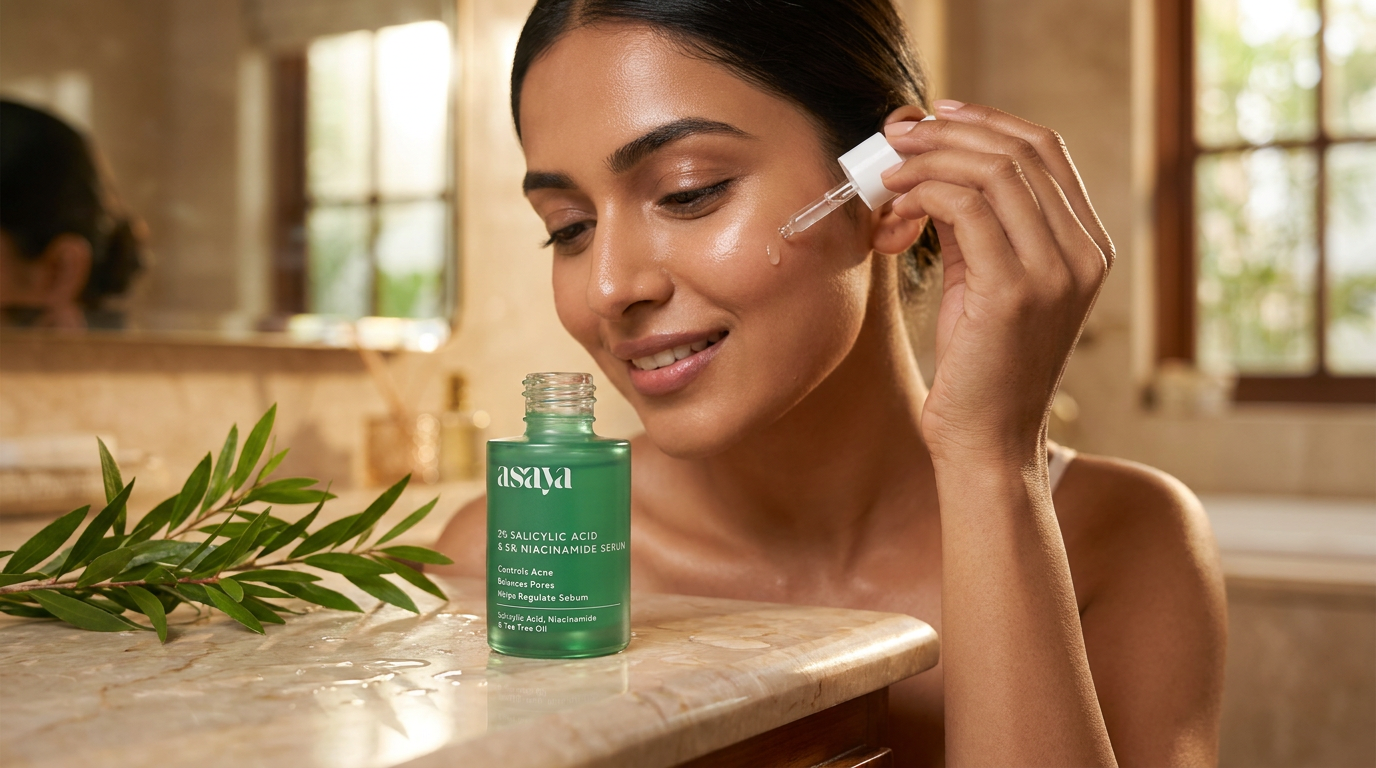
Niacinamide, also known as vitamin B3, helps strengthen skin barrier function while reducing inflammation and regulating oil production. This versatile ingredient works well for most skin types and can be used both morning and evening.
Start with concentrations between 2-5% to avoid irritation. Higher concentrations aren't necessarily better and may cause sensitivity in some people.
Daily sunscreen use is non-negotiable for barrier health. UV radiation breaks down collagen and elastin while generating free radicals that damage skin cells. Choose broad-spectrum SPF 30 or higher and reapply throughout the day.
Consider antioxidant serums containing vitamin C or E to neutralize environmental pollutants and free radicals that can weaken your skin barrier throughout the day.
Sometimes less is more when it comes to gentle skincare for millennials. Overwhelming your skin with too many active ingredients can cause irritation and delay barrier recovery. Focus on a few key products that address your specific concerns.
Your core routine should include a gentle cleanser, hydrating serum or toner, moisturizer, and sunscreen. Additional treatments can be added gradually once your barrier is healthy.
Proper hydration starts from within. Drinking adequate water supports your skin's natural moisture levels and helps maintain barrier function. Aim for at least 8 glasses of water daily, and consider foods rich in omega-3 fatty acids to support skin health.
Include foods like avocados, nuts, seeds, and fatty fish in your diet. These provide essential fatty acids that support skin barrier integrity from the inside out.
Facial oils can provide an extra layer of protection and nourishment for compromised barriers. Choose non-comedogenic oils like jojoba, rosehip, or squalane that won't clog pores while delivering essential fatty acids.
Apply oils as the last step in your evening routine, or mix a few drops with your moisturizer for added nourishment without heaviness.
Learn to read ingredient labels and avoid known irritants like high concentrations of alcohol, artificial fragrances, or harsh preservatives. When trying new products, introduce them one at a time to identify any potential sensitivities.
Always patch test new products on a small area of skin before full application. This simple step can prevent widespread irritation and barrier damage.
Barrier repair takes time and consistency. Stick to your healthy skin barrier tips routine for at least 4-6 weeks before expecting significant improvements. Patience and persistence are key to achieving lasting results.
Keep a simple skin diary noting how your skin feels and looks each day. This helps identify what works and what doesn't, allowing you to fine-tune your approach.
Most people see initial improvements within 2-4 weeks of consistent barrier-focused care. Complete restoration typically takes 6-12 weeks, depending on the severity of damage and individual skin factors.
It's best to pause strong actives like retinol while focusing on barrier repair. Once your skin is healthy and stable, you can gradually reintroduce these ingredients with proper buffering and spacing.
Dehydrated skin lacks water and can affect any skin type, while dry skin lacks oil and is a skin type. Both conditions can compromise barrier function but require slightly different approaches to treatment.
Not necessarily. Gentle actives like low-concentration niacinamide or hyaluronic acid can actually support barrier repair. Avoid harsh actives like high-strength acids or retinoids until your barrier is restored.
Treating your skin barrier doesn't require expensive procedures or complicated routines. The best ways to treat skin barrier for millennials focus on gentle, consistent care that supports your skin's natural healing processes. Remember that healthy skin is a marathon, not a sprint. By implementing these 13 methods gradually and consistently, you'll build a strong foundation for long-term skin health. Focus on restore skin moisture through proper hydration, protect your barrier from environmental damage, and give your skin the time it needs to heal. Your future self will thank you for the patience and care you invest in your skin barrier today.
