


11 Best Ways to Treat Dry Skin for Teens: Remedies & Tips
Your Cart
0You May Also Like
Teen years bring enough challenges without adding dry, flaky skin to the mix. Nearly 60% of teenagers experience some form of dry skin during puberty, making it one of the most common skincare concerns for this age group. The combination of hormonal changes, environmental factors, and developing skincare habits creates a perfect storm for moisture loss.
Understanding the best ways to treat dry skin for teens isn't just about comfort—it's about building confidence and healthy habits that last a lifetime. These 11 expert-backed remedies and tips will help you tackle dry skin head-on, using both proven products and natural solutions that work specifically for teenage skin.
Teenage skin faces unique challenges that adult skincare advice often overlooks. Hormonal fluctuations during puberty don't just affect oil production—they can also disrupt the skin's natural moisture barrier. Understanding these root causes helps you choose the most effective treatments for your specific situation.
During puberty, your body produces varying levels of hormones like testosterone and estrogen, which directly impact your skin's oil and moisture production. While many teens experience increased oil production, others find their skin becomes unexpectedly dry. These hormonal shifts can also make your skin more sensitive to environmental factors and skincare products.
School environments with artificial heating and air conditioning constantly strip moisture from your skin. Sports activities and frequent washing after gym class can further deplete natural oils. Climate exposure, especially during harsh winters or in air-conditioned spaces, creates additional challenges for maintaining proper skin hydration throughout your teen years.
These proven strategies combine scientific research with practical solutions that fit into busy teen schedules. Each method addresses different aspects of dry skin, from immediate relief to long-term prevention.
Hot water feels amazing but strips your skin of essential oils. Limit showers to 5-10 minutes using warm water instead. Choose fragrance-free, gentle cleansers that won't further irritate already dry skin. This approach to gentle skincare for dry teen skin forms the foundation of any effective routine.
The key to how to hydrate teen skin lies in timing and consistency. Apply moisturizer within three minutes of bathing when your skin is still damp. This locks in moisture more effectively than applying to completely dry skin. Moisturize at least twice daily—morning and evening—plus after any sports activities.
Look for best moisturizers for teen dry skin containing ceramides, hyaluronic acid, and glycerin. These ingredients work together to restore your skin's natural barrier while attracting and holding moisture. Avoid products with heavy fragrances or alcohol, which can worsen dryness and irritation.
Several natural dry skin treatments for teens provide gentle relief without harsh chemicals. Oatmeal baths soothe irritated skin, while coconut oil works as an overnight treatment for severely dry patches. Honey masks offer gentle hydration with antibacterial properties. These teen dry skin remedies are budget-friendly and often more gentle than commercial products.
When managing dry patches on teen face, use targeted treatments rather than applying heavy creams everywhere. Focus heavier moisturizers on problem areas like around your nose, chin, or cheeks, while using lighter formulas on areas that tend to be oilier.
Many teens struggle with both acne and dryness simultaneously. Teen acne and dry skin solutions require careful product layering. Use acne treatments on specific spots, then apply moisturizer to the rest of your face. Never skip moisturizer just because you're treating acne—this often makes both conditions worse.
Control what you can in your environment. Use a humidifier in your bedroom during dry months, especially winter. Protect your skin during sports with barrier creams, and adjust your skincare routine seasonally to account for changing weather conditions.
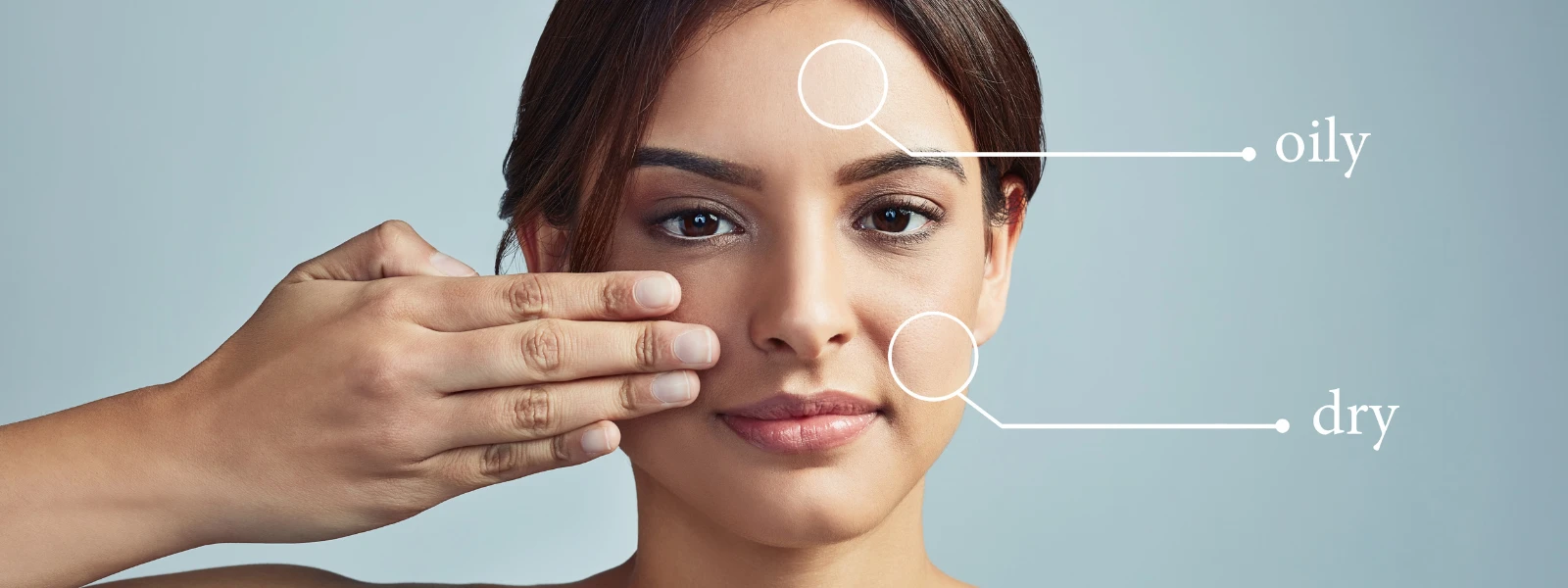
Many teens confuse dehydrated skin with oily skin. Oily vs dry skin teens can be tricky to distinguish because dehydrated skin often overproduces oil to compensate for moisture loss. If your skin feels tight but looks shiny, you likely have dehydrated rather than naturally oily skin.
Consistency beats perfection when it comes to skincare. Create simple morning and evening routines that you can stick to even during busy school periods. Start with basic cleansing and moisturizing, then gradually add other products as needed.
Learn to read product labels and understand what works for dry skin. Beneficial ingredients include hyaluronic acid, ceramides, glycerin, and natural oils. Avoid products with alcohol, strong fragrances, or harsh sulfates that can worsen dryness.
Sometimes home remedies aren't enough for dry skin relief for adolescents. If your skin remains persistently dry despite consistent care, develops cracks or bleeding, or shows signs of infection, consult a dermatologist for professional treatment options.
When your skin needs immediate attention, these fast-acting solutions can provide quick relief using ingredients you likely already have at home. These emergency treatments work well between your regular skincare routine.
Mix honey with a few drops of olive oil for an instant hydrating mask. Apply for five minutes, then rinse with cool water. Alternatively, mash half an avocado and apply to dry areas for immediate moisture and nourishment.
Aloe vera gel provides cooling relief and hydration, especially after sun exposure. Cucumber slices reduce inflammation while adding moisture. Always patch test natural ingredients first, as even natural products can cause reactions in sensitive individuals.
Learning what not to do is just as important as knowing the right steps. These common mistakes can actually worsen dry skin conditions and delay healing.
More isn't always better when it comes to cleansing. Washing your face more than twice daily can strip natural oils and worsen dryness. Stick to lukewarm water temperatures to preserve your skin's protective barrier.
Introducing too many new products at once can overwhelm sensitive, dry skin. Start with one new product at a time and give your skin at least two weeks to adjust before adding anything else to your routine.
Creating a routine that works with your schedule and lifestyle increases your chances of sticking with it long-term. These practical guidelines help you develop habits that actually fit into your daily life.
Keep mornings simple with gentle cleanser, moisturizer, and sunscreen. This three-step routine takes less than five minutes but provides essential protection and hydration for the day ahead.
Evenings allow for more intensive treatments. Remove any makeup or sunscreen, cleanse gently, and apply a heavier moisturizer or treatment product. Weekend routines can include masks or special treatments for extra care.
Teens can treat dry skin effectively by using gentle, fragrance-free cleansers, moisturizing within three minutes of bathing, choosing products with hydrating ingredients like hyaluronic acid and ceramides, and maintaining consistent daily routines. Natural remedies like oatmeal baths and honey masks can provide additional relief.
A 13-year-old should start with a simple routine including a gentle cleanser, basic moisturizer, and sunscreen. Avoid products with harsh ingredients like strong acids or retinoids. Focus on building good habits with mild, age-appropriate products designed for sensitive young skin.
For quick relief, apply moisturizer to damp skin immediately after washing, use a humidifier in your room, try honey or oatmeal masks, and avoid hot water. While some improvement may be seen within days, complete healing typically takes 2-4 weeks of consistent care.
At 15, hormonal changes during puberty can disrupt your skin's natural moisture balance. Environmental factors like school heating systems, frequent washing, sports activities, and seasonal changes also contribute to dryness. This is completely normal and manageable with proper skincare.
Treating dry skin as a teenager doesn't have to be complicated or expensive. The best ways to treat dry skin for teens focus on gentle, consistent care that works with your changing skin rather than against it. Remember that results take time—give any new routine at least four weeks before deciding if it's working.
Most importantly, don't let dry skin affect your confidence. With the right approach and patience, you can achieve healthy, comfortable skin that supports you through these important years and beyond.
