

7 Best Ingredients for Skin Repair & Renewal
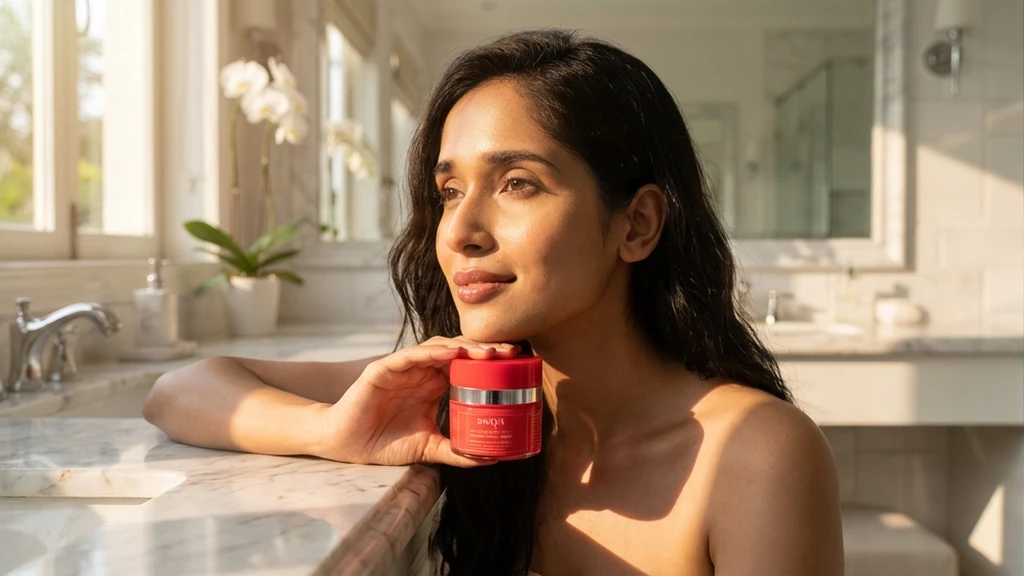
Your skin works hard every day to protect you from environmental damage, pollution, and daily stress. But over time, this constant defense can leave your skin barrier compromised, leading to dryness, sensitivity, and visible signs of aging. The good news? Science has identified powerful skin repair ingredients that can restore your skin's natural resilience and vitality. Understanding which ingredients truly deliver results can transform your skincare routine from basic maintenance to active repair and renewal. Let's explore seven scientifically-backed ingredients that dermatologists trust for effective skin restoration.
Your skin barrier acts like a protective wall, keeping moisture in and irritants out. When this barrier becomes damaged from sun exposure, harsh products, or natural aging, you might notice increased dryness, redness, or fine lines appearing more quickly than expected. Repairing skin barrier damage requires ingredients that work at the cellular level, not just surface treatments. The most effective repair ingredients penetrate deep into the skin to stimulate natural healing processes, boost collagen production, and restore the skin's protective functions. This is why choosing the right ingredients matters so much for long-term skin health.
Hyaluronic acid stands out as one of the best ingredients for skin repair because of its incredible ability to hold up to 1,000 times its weight in water. This powerhouse ingredient doesn't just hydrate the surface - it helps restore the skin's natural moisture barrier from within. What makes hyaluronic acid so effective is its varying molecular weights. Smaller molecules penetrate deeper into the skin, while larger molecules create a protective film on the surface. This dual action provides both immediate hydration and long-term barrier repair.
Apply hyaluronic acid to slightly damp skin to enhance absorption. Layer it under your moisturizer for best results, and use it both morning and evening for continuous repair benefits.
Retinol earns its reputation as the gold standard among anti-aging ingredients through its ability to accelerate cellular turnover and stimulate collagen production. This vitamin A derivative works by encouraging your skin to shed old, damaged cells and replace them with fresh, healthy ones. The collagen boosting ingredients in retinol formulations help reduce fine lines, improve skin texture, and restore elasticity. Clinical studies consistently show that regular retinol use can reverse visible signs of aging while strengthening the skin barrier.
Begin with a low concentration (0.25% to 0.5%) and use it every third night initially. Gradually increase frequency as your skin builds tolerance. Always use sunscreen during the day when using retinol products.
Niacinamide, also known as vitamin B3, offers powerful repair benefits without the irritation potential of stronger actives. This ingredient excels at reducing inflammation, minimizing pore appearance, and strengthening the skin barrier. What makes niacinamide special among skin repair ingredients is its ability to regulate oil production while simultaneously boosting hydration. It's particularly effective for sensitive skin that needs repair but can't tolerate more aggressive treatments.
Niacinamide works well with other ingredients and rarely causes irritation. Use concentrations between 5-10% for optimal repair benefits without overwhelming your skin.
Ceramides make up about 50% of your skin's natural barrier, which is why they're essential for effective repair. These lipid molecules help maintain skin hydration and protect against environmental damage. When your skin barrier is compromised, ceramide levels drop significantly. Topical ceramides can help restore this protective barrier, making them crucial ingredients for youthful skin. They work by filling in the gaps between skin cells, creating a stronger, more resilient barrier.
Look for products containing multiple types of ceramides (ceramide 1, 3, and 6-II are most common) for comprehensive barrier repair. These work best when combined with other barrier-supporting ingredients.
Peptides are short chains of amino acids that act as messengers, telling your skin to produce more collagen and elastin. These sophisticated skin rejuvenation ingredients can target specific aging concerns with remarkable precision. Different peptides serve different functions - some boost collagen, others improve skin elasticity ingredients, and some help reduce inflammation. This targeted approach makes peptides incredibly effective for addressing multiple repair needs simultaneously.
Signal peptides stimulate collagen production, while carrier peptides deliver minerals to support healing. Neurotransmitter peptides can help reduce muscle contractions that lead to expression lines.
Vitamin C offers dual benefits as both a protective antioxidant and a collagen-supporting repair ingredient. This powerhouse vitamin neutralizes free radicals that cause daily skin damage while stimulating your skin's natural collagen production. The anti-wrinkle ingredients in vitamin C formulations work by supporting the skin's natural repair processes. L-ascorbic acid is the most potent form, though magnesium ascorbyl phosphate offers better stability for sensitive skin.
Use vitamin C in the morning for antioxidant protection, and store products in a cool, dark place to maintain potency. Start with lower concentrations (10-15%) if you have sensitive skin.
Centella asiatica brings centuries of traditional healing wisdom to modern skincare. This gentle yet effective ingredient offers powerful anti-inflammatory benefits, making it ideal for compromised or sensitive skin that needs repair. As one of the most trusted natural skin repair ingredients, centella asiatica supports the skin's natural healing processes without causing irritation. It's particularly beneficial for those dealing with redness, sensitivity, or barrier damage from over-exfoliation.
Centella asiatica can be used morning and evening and pairs well with other repair ingredients. It's especially helpful during the adjustment period when introducing stronger actives like retinol.
Creating an effective repair routine means understanding how these ingredients work together. Start with gentler ingredients like niacinamide and ceramides, then gradually introduce more active ingredients like retinol and vitamin C. The key to successful skin repair lies in consistency and patience. Most people see initial improvements within 4-6 weeks, with more dramatic results appearing after 3-4 months of regular use. Remember that repairing skin barrier damage takes time, but the results are worth the wait.
Hyaluronic acid and ceramides are excellent starting points for most people, as they provide immediate hydration while supporting long-term barrier repair without irritation.
Yes, many repair ingredients work synergistically. Start with one new ingredient at a time and gradually build your routine to avoid overwhelming your skin.
Initial improvements often appear within 2-4 weeks, but significant barrier repair typically takes 8-12 weeks of consistent use with quality ingredients.
Repair ingredients focus on restoring barrier function and healing damage, while anti-aging ingredients primarily target visible signs of aging. Many ingredients, like retinol and vitamin C, offer both benefits.
Both natural and synthetic ingredients can be highly effective. The key is choosing ingredients with strong scientific backing, regardless of their origin.
The best ingredients for repair work by addressing your skin's fundamental needs: hydration, barrier protection, and cellular renewal. By understanding how each ingredient functions, you can create a personalized routine that delivers real, lasting results. Remember that effective skin repair is a journey, not a destination. Consistency with quality ingredients will reward you with healthier, more resilient skin that looks and feels its best.
