


13 Essential Tips for Hydrated Skin All Year Round
Your Cart
0You May Also Like
Price Break Up
Keeping your skin hydrated isn't just about slapping on moisturizer and hoping for the best. It's about understanding what your skin truly needs and creating a routine that works with your lifestyle, not against it. Whether you're dealing with the harsh winter winds or the summer heat, maintaining proper skin hydration requires a thoughtful approach that goes beyond surface-level solutions. The good news? With the right tips for hydrated skin, you can achieve that healthy, plump complexion you've been dreaming of, regardless of the season or your skin type.
Before diving into specific techniques, it's crucial to understand the difference between dehydrated and dry skin. Many people use these terms interchangeably, but they're actually quite different conditions that require different approaches. Dehydrated skin lacks water, while dry skin lacks oil. You can have oily skin that's dehydrated, or dry skin that's well-hydrated.
The signs of dehydrated skin include dullness, fine lines that seem to appear overnight, tightness after cleansing, and skin that feels rough to the touch. Your skin might also look tired and lackluster, even when you're well-rested. Understanding these signals helps you choose the right products and techniques for your specific needs.
Your skin's moisture barrier is like a protective shield made up of lipids and proteins. When this barrier is compromised, water escapes through a process called transepidermal water loss. This is why some people can moisturize religiously but still struggle with dry, tight skin.
Proper hydration supports cellular function, helps maintain skin elasticity, and creates that coveted healthy glow. Well-hydrated skin also heals faster and is more resistant to environmental damage and premature aging.
These proven strategies will help you maintain optimal skin hydration throughout the year. Each tip builds on the others, creating a comprehensive approach to skin health that addresses both internal and external factors.
Tip 1: Apply Products on Damp Skin
This simple trick can double the effectiveness of your moisturizer. When you apply products to slightly damp skin, you're essentially trapping that extra moisture underneath your skincare products. Pat your skin dry after cleansing, leaving it slightly damp, then immediately apply your serum or moisturizer.
Tip 2: Use Humectants as Moisture Magnets
Ingredients like hyaluronic acid and glycerin are humectants that draw moisture from the environment into your skin. Look for serums for skin hydration that contain these powerhouse ingredients. They can hold up to 1,000 times their weight in water.
Tip 3: Layer Your Products Correctly
The golden rule is thinnest to thickest consistency. Start with water-based serums, then move to heavier creams. This layering technique ensures each product can penetrate properly and work synergistically with the others.
Tip 4: Try Overnight Hydration Treatments
Your skin repairs itself while you sleep, making nighttime the perfect opportunity for intensive hydration. Use a heavier night cream or apply a hydrating mask before bed to wake up with plumper, more radiant skin.
Tip 5: Choose Gentle, Hydrating Cleansers
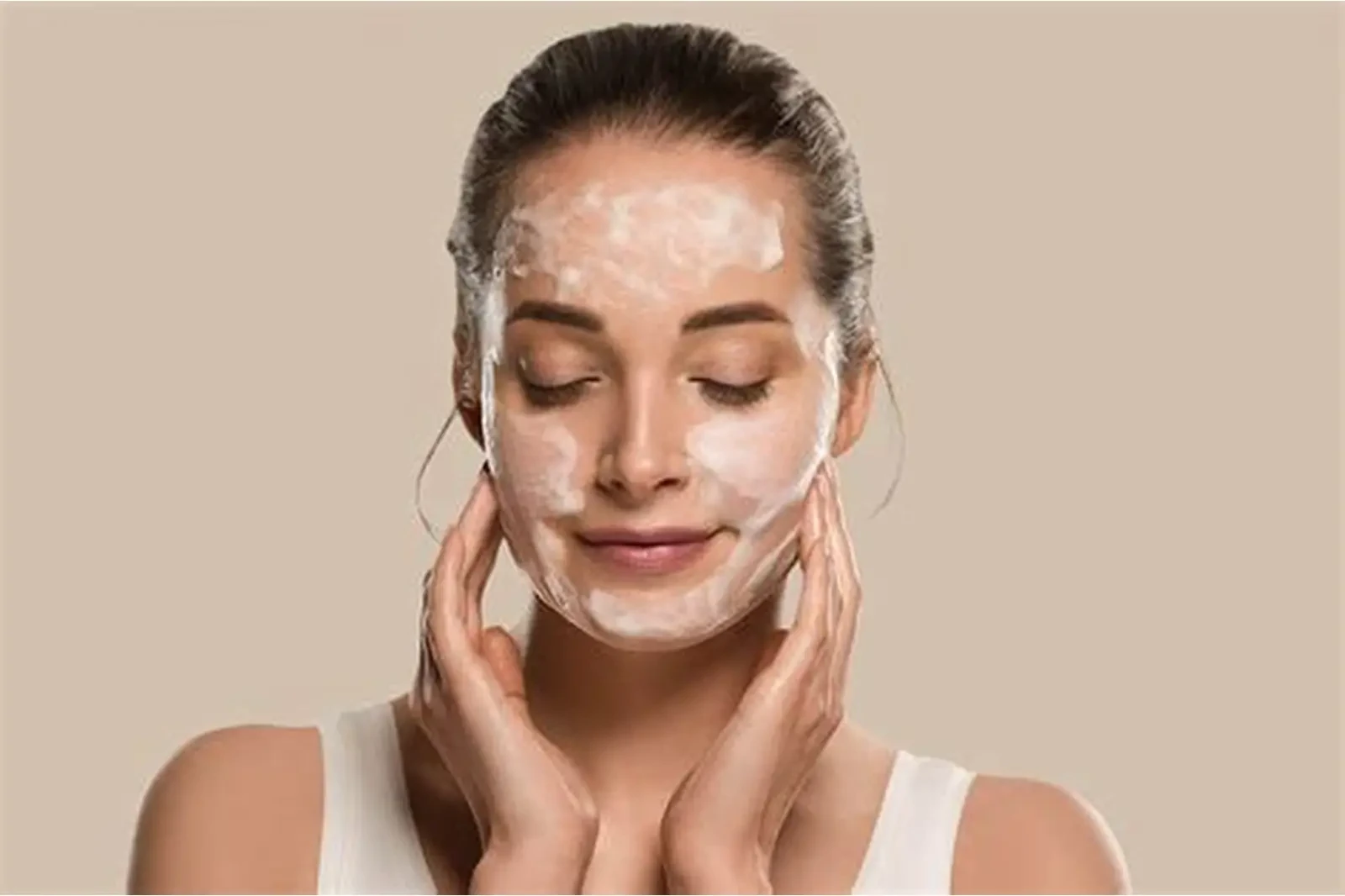
Foaming cleansers might feel satisfying, but they often strip your skin of natural oils. Opt for cream or oil-based cleansers that clean without compromising your moisture barrier. Your skin should never feel tight after cleansing.
Tip 6: Incorporate Hydrating Toners
Modern toners are nothing like the harsh, alcohol-based formulas of the past. Today's hydrating toners and essences add an extra layer of moisture and prepare your skin to absorb subsequent products better.
Tip 7: Select the Right Moisturizer
Look for moisturizers containing ceramides, fatty acids, and other barrier-repairing ingredients. These components help restore your skin's natural protective function while providing immediate hydration.
Tip 8: Adapt Your Routine by Time of Day
Your morning routine should focus on protection and lightweight hydration, while your evening routine can include heavier, more intensive treatments. This approach maximizes the benefits of each product.
Tip 9: Use Humidifiers Strategically
Dry indoor air, especially during winter months, can suck moisture right out of your skin. A humidifier in your bedroom can make a significant difference in your skin's hydration levels. Aim for 40-60% humidity.
Tip 10: Limit Hot Water Exposure
Those long, hot showers might feel amazing, but they're stripping your skin of essential oils. Keep showers short and use lukewarm water instead. Your skin will thank you for this simple change.
Tip 11: Protect Your Skin Barrier
Harsh weather conditions can damage your moisture barrier. Use appropriate protection like scarves in winter and seek shade in summer. Don't forget that indoor environments can be just as harsh as outdoor ones.
Tip 12: Choose Skin-Friendly Fabrics
Rough fabrics can irritate and dehydrate your skin through friction. Opt for soft, breathable materials like cotton and silk, especially for items that come into direct contact with your skin.
Tip 13: Optimize Your Sleep Environment
Quality sleep is when your skin does its most important repair work. Ensure your bedroom is at a comfortable temperature and humidity level. Consider using a silk pillowcase to reduce friction against your skin.
While topical products are important, true skin hydration starts from the inside. Drinking water for skin health is just the beginning of internal hydration strategies that can transform your complexion.
Aim to drink water consistently throughout the day rather than chugging large amounts at once. Your body can only absorb so much water at a time, and steady intake ensures better utilization. Include water-rich foods like watermelon, cucumber, and oranges in your diet for additional hydration benefits.
Essential fatty acids from sources like avocados, nuts, and fish help maintain your skin's lipid barrier. These healthy fats work from the inside out to keep your skin supple and well-hydrated.
Excessive caffeine and alcohol can dehydrate your skin. While you don't need to eliminate them completely, be mindful of your intake and balance them with extra water consumption.
Not all moisturizers are created equal. The best moisturizers for dry skin contain specific ingredients that not only add moisture but help your skin retain it. Understanding these ingredients helps you make informed choices about your skincare investments.
Ceramides are lipid molecules that help restore and maintain your skin's natural barrier. Niacinamide reduces water loss and improves skin texture. Hyaluronic acid provides intense hydration without feeling heavy or greasy.
Alcohol-based products, harsh fragrances, and sulfates can strip your skin of natural moisture. Always read ingredient lists and choose products formulated for your specific skin concerns.
Your skin's needs change with the seasons. Winter might require heavier creams, while summer calls for lighter, gel-based formulas that won't clog pores or feel uncomfortable in heat and humidity.
Sometimes the most effective solutions are the simplest ones. Natural remedies for dry skin can complement your regular skincare routine and provide gentle, effective hydration without breaking the bank.
Honey is a natural humectant that draws moisture into your skin. Apply raw honey as a mask for 10-15 minutes, then rinse with lukewarm water. Oatmeal contains compounds that soothe irritated skin while providing gentle exfoliation and moisture.
Natural oils like jojoba, argan, and rosehip can provide deep hydration and essential fatty acids. These oils are particularly beneficial for very dry or mature skin that needs extra nourishment.
Aloe vera gel provides cooling, soothing hydration that's perfect for sensitive or irritated skin. Cucumber slices can provide temporary relief and mild hydration for tired, puffy skin.
Apply a hydrating serum to damp skin, followed immediately by a moisturizer. This technique traps moisture and provides instant hydration. For emergency situations, a hydrating sheet mask can provide quick relief in 15-20 minutes.
Use a heavier night cream or sleeping mask, apply a humidifier in your bedroom, and ensure you're drinking enough water throughout the day. The combination of topical treatment and environmental moisture creates optimal conditions for skin repair.
This often indicates a damaged moisture barrier or using the wrong type of moisturizer for your skin. You might need products with barrier-repairing ingredients like ceramides, or you could be using products that contain drying ingredients.
You should notice immediate improvements in skin texture and comfort within a few days of starting a proper hydration routine. Significant changes in skin appearance typically occur within 2-4 weeks of consistent care.
While rare, over-hydration can occur if you use too many hydrating products without proper barrier function. This can lead to skin that feels constantly wet or sticky. Balance is key in any skincare routine.
Achieving and maintaining hydrated skin requires a multifaceted approach that combines the right products, proper application techniques, and lifestyle considerations. Remember that consistency is more important than perfection, and small changes can make significant differences over time.
The most effective ways to improve skin hydration involve both internal and external strategies. From drinking adequate water to choosing the right moisturizer for your skin type, each element plays a crucial role in your skin's overall health and appearance. Start with one or two changes and gradually build your routine as you discover what works best for your unique skin needs.
