


Why Does Indian Skin Get Hormonal Acne? FAQ
Your Cart
0You May Also Like
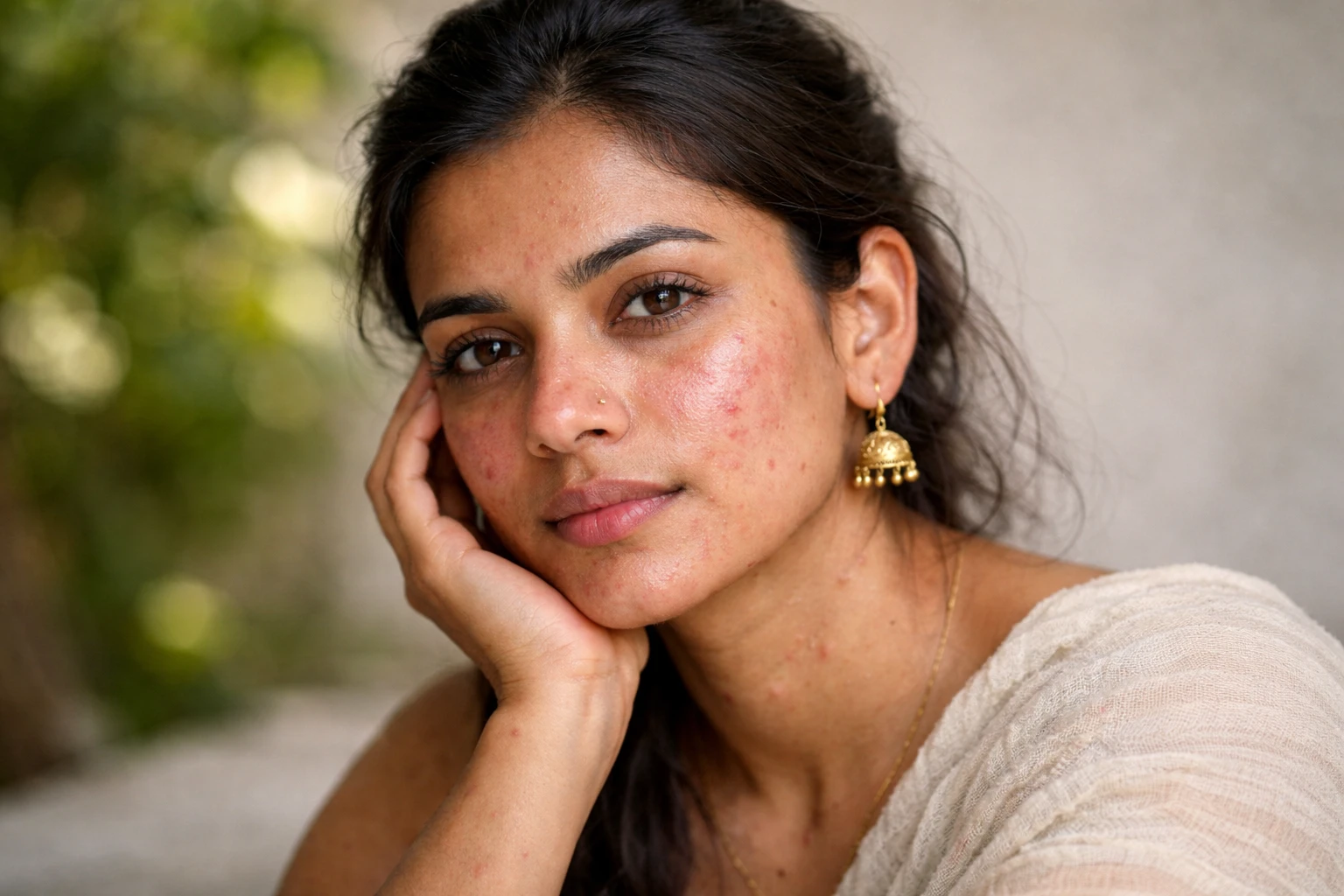
Hormonal acne affects millions of Indian women, creating frustrating breakouts that seem impossible to control. Unlike teenage acne, these adult breakouts follow a different pattern, often appearing around the jawline, chin, and lower face just before your period. Indian skin has unique characteristics that make it particularly susceptible to hormonal fluctuations, from larger pores to higher sebum production. Understanding why your skin reacts this way is the first step toward clearer, healthier skin. Let's explore the science behind hormonal acne causes indian skin experiences and discover effective solutions tailored for our complexion.
Hormonal acne differs significantly from regular bacterial acne. While bacterial acne responds well to topical treatments, hormonal acne stems from internal fluctuations in androgens, estrogen, and insulin levels. These hormones directly influence your sebaceous glands, causing them to produce excess oil that clogs pores and creates the perfect environment for acne-causing bacteria.
Indian skin has several unique characteristics that make it more prone to acne breakouts indian women experience. Our skin typically has larger pores and more active sebaceous glands compared to other ethnicities. This means higher natural oil production, which can be beneficial for aging but problematic for acne management. Additionally, the higher melanin content in Indian skin, while protective against UV damage, can lead to more severe post-inflammatory hyperpigmentation when acne heals.
Research suggests that South Asian populations have a genetic predisposition to certain hormonal conditions that trigger acne. Studies show that Indian women have higher rates of PCOS, insulin resistance, and metabolic syndrome - all conditions directly linked to hormonal acne development.
Environmental factors unique to India also play a crucial role. High humidity levels, pollution, and intense UV exposure can worsen existing acne and trigger new breakouts. The combination of genetic susceptibility and environmental stressors creates a perfect storm for skin sensitivity indian complexion experiences.
Several hormonal factors specifically affect Indian women, creating patterns of adult acne indian skin that can persist well into the thirties and forties. Understanding these triggers helps you identify patterns and take preventive action. The most common culprits include PCOS-related hormone imbalances, stress-induced cortisol spikes, and natural menstrual cycle fluctuations.
Modern Indian lifestyle factors compound these hormonal triggers. Work stress, irregular sleep patterns, and dietary habits all influence hormone production and can worsen existing acne conditions.
PCOS affects approximately 20-25% of Indian women, making it one of the highest rates globally. This condition causes elevated androgen levels, leading to increased oil production and stubborn jawline acne. Insulin resistance, common in PCOS, creates a cycle where high insulin levels trigger more androgen production.
Traditional Indian diets high in refined carbohydrates and sugar can worsen insulin spikes. White rice, sweets, and processed foods cause rapid blood sugar increases, triggering pimples due to hormones through the insulin-androgen pathway.
Chronic stress from work pressure, family expectations, and urban living elevates cortisol levels. High cortisol increases oil production and inflammation, creating ideal conditions for acne development. Cultural pressures around marriage, career, and family can create persistent stress that manifests as skin problems.
Sleep deprivation, common in busy Indian cities, disrupts hormone regulation. Poor sleep quality affects cortisol rhythms and can trigger hormonal changes acne patterns that seem random but follow stress cycles.
Most women notice acne flares 7-10 days before their period when progesterone levels peak. This hormone increases oil production and can cause existing pores to become more congested. Indian women often experience more severe pre-menstrual acne due to higher baseline androgen levels.
Pregnancy and postpartum periods bring dramatic hormone shifts that can either clear acne completely or worsen it significantly. Menopause introduces new challenges as declining estrogen levels can trigger adult-onset acne in women who never experienced it before.
Identifying whether your acne is hormonal or bacterial helps determine the most effective treatment approach. Hormonal acne has distinct patterns that differ from typical teenage or bacterial acne. Location, timing, and lesion type all provide important clues about the underlying cause of your breakouts.
Hormonal acne typically appears along the jawline, chin, and lower cheeks - areas rich in hormone-sensitive sebaceous glands. These breakouts often coincide with menstrual cycles, appearing 7-14 days before your period and improving afterward. The lesions tend to be deeper, more cystic, and take longer to heal compared to surface-level bacterial acne.
Location patterns: Jawline, chin, neck, and lower face
Timing: Cyclical with menstrual periods or stress events
Lesion type: Deep, cystic, painful bumps that don't come to a head easily
Age of onset: Often begins or worsens in twenties and thirties
Response to treatment: Doesn't improve significantly with topical antibiotics alone
Effective managing hormonal acne requires a gentle yet consistent approach that addresses oil control without over-drying the skin. Indian skin needs special consideration due to its tendency toward hyperpigmentation and sensitivity to harsh treatments. A well-structured routine can significantly improve hormonal acne while preventing the dark spots that often follow breakouts.
The key is balancing oil control with hydration, using ingredients that target both active acne and post-inflammatory pigmentation. Consistency matters more than aggressive treatments, especially for skincare for hormonal acne in Indian skin tones.
Start with a mild, pH-balanced cleanser twice daily to remove excess oil without stripping the skin barrier. Look for cleansers containing salicylic acid or niacinamide that provide gentle exfoliation while maintaining skin health.
Follow with an oil-free moisturizer suitable for Indian climate conditions. Even oily, acne-prone skin needs hydration to maintain barrier function and prevent overproduction of sebum. Choose lightweight, non-comedogenic formulas that won't clog pores.
Salicylic acid penetrates oil-filled pores effectively, making it ideal for ongoing acne prevention. Start with 0.5-2% concentrations to avoid irritation. Niacinamide reduces inflammation and helps fade post-acne marks while controlling oil production.
Retinoids provide long-term acne management by normalizing skin cell turnover and reducing comedone formation. Begin with over-the-counter retinol or consult a dermatologist for prescription options. Natural alternatives like turmeric, neem, and tea tree oil offer anti-inflammatory benefits with lower irritation risk.
When topical treatments aren't enough, professional intervention can provide significant improvement for persistent hormonal acne treatment. Dermatologists can prescribe medications that address the root hormonal causes rather than just surface symptoms. These treatments often work faster and more effectively than over-the-counter options alone.
Professional treatments for Indian skin require careful consideration of pigmentation risks and healing patterns. Working with a dermatologist familiar with darker skin tones ensures safer, more effective outcomes.
Birth control pills containing anti-androgenic progestins can significantly reduce hormonal acne by regulating hormone levels. Spironolactone, an anti-androgen medication, blocks testosterone effects on sebaceous glands and shows excellent results for adult women.
Topical retinoids like tretinoin or adapalene provide stronger acne-fighting power than over-the-counter options. These medications require gradual introduction and careful sun protection, especially important for Indian skin prone to hyperpigmentation.
Chemical peels using glycolic or salicylic acid can improve both active acne and post-inflammatory pigmentation. Light therapy and laser treatments offer additional options, though they require expertise in treating darker skin tones safely.
Professional extractions and cortisone injections can provide immediate relief for painful cystic acne while minimizing scarring risk when performed correctly.
Diet, stress management, and sleep quality significantly impact hormone levels and acne severity. Understanding these connections empowers you to make lifestyle changes that support clearer skin from within. Small, consistent modifications often produce better long-term results than dramatic overhauls.
Indian lifestyle factors like spicy foods, dairy consumption, and high-stress work environments can all influence acne patterns. Identifying your personal triggers helps create an effective management strategy.
High-glycemic foods common in Indian diets can trigger insulin spikes that worsen hormonal acne. White rice, refined wheat products, and sugary treats should be limited in favor of complex carbohydrates and protein-rich foods.
Dairy products may worsen acne in some individuals due to natural hormones and growth factors. Consider reducing milk, cheese, and yogurt consumption to see if your skin improves. Anti-inflammatory spices like turmeric, ginger, and coriander can support skin health when included regularly in meals.
Regular exercise helps regulate hormones and reduce stress-related acne flares. Yoga, meditation, and breathing exercises particularly benefit hormone balance while fitting well into Indian cultural practices.
Maintaining consistent sleep schedules supports healthy hormone production. Aim for 7-8 hours of quality sleep and create a relaxing bedtime routine to improve both skin health and overall well-being.
Most people see initial improvement within 6-8 weeks of consistent treatment, but significant clearing can take 3-6 months. Hormonal acne responds more slowly than bacterial acne because it requires time to regulate underlying hormone imbalances. Patience and consistency with your chosen treatment approach are essential for success.
Hormonal acne is typically managed rather than cured permanently. Since hormone fluctuations are natural parts of menstrual cycles, stress responses, and aging, ongoing management is usually necessary. However, many women find that proper treatment significantly reduces frequency and severity of breakouts, making the condition much more manageable.
Acne often worsens 7-10 days before menstruation when progesterone levels peak and estrogen drops. This hormonal shift increases oil production and can make existing comedones more likely to become inflamed. Tracking your cycle and adjusting your skincare routine accordingly can help minimize these monthly flares.
Indian skin requires careful approach with acne treatments due to higher risk of post-inflammatory hyperpigmentation. Start with lower concentrations of active ingredients and always patch test new products. Strong treatments like high-percentage retinoids or aggressive peels should only be used under dermatological supervision to prevent darkening or scarring.
Prevention is key for Indian skin prone to hyperpigmentation. Never pick or squeeze acne lesions, use gentle skincare products, and apply broad-spectrum sunscreen daily. Early treatment of active acne prevents deep inflammation that leads to scarring. If dark spots develop, ingredients like vitamin C, kojic acid, and alpha arbutin can help fade them over time.
PCOS affects 20-25% of Indian women and is a major cause of persistent hormonal acne. The condition increases androgen levels, leading to excess oil production and stubborn breakouts along the jawline and chin. Managing PCOS through diet, exercise, and sometimes medication can significantly improve associated acne symptoms.
Natural ingredients like neem, turmeric, and tea tree oil have anti-inflammatory and antimicrobial properties that can support acne treatment. However, they work best as complementary treatments rather than standalone solutions for moderate to severe hormonal acne. Combining natural approaches with proven active ingredients often provides the best results.
Hormonal acne in Indian skin results from a complex interplay of genetic predisposition, environmental factors, and lifestyle influences. Understanding that Indian skin has unique characteristics - larger pores, higher sebum production, and greater tendency toward hyperpigmentation - helps explain why hormonal acne can be particularly challenging for Indian women. The high prevalence of PCOS, combined with modern lifestyle stressors and dietary factors, creates multiple pathways for hormone-driven breakouts.
Successful management requires a comprehensive approach that addresses both internal hormonal factors and external skincare needs. Gentle, consistent skincare routines work better than aggressive treatments for preventing the dark spots that often follow acne in Indian skin. Professional guidance becomes essential for persistent cases, with treatment options ranging from topical retinoids to hormonal therapy. Remember that improvement takes time, and the goal is long-term management rather than a quick fix. With patience, proper treatment, and lifestyle modifications, hormonal acne can be effectively controlled, leading to clearer, healthier skin that you can feel confident about.
