


Why Does Indian Skin Get Clogged Pores? Your FAQ Answered
Your Cart
0You May Also Like
If you've ever wondered why your pores seem to clog more easily than your friends', you're not alone. Indian skin has unique characteristics that make it more prone to pore congestion. Research shows that melanin-rich skin types typically have larger pores and produce more sebum, creating the perfect storm for blackheads and breakouts. Understanding why this happens is the first step to managing it effectively. At Asaya, we've seen countless questions about clogged pores on Indian skin, so we've compiled the most common concerns and their science-backed answers.
Indian skin produces more oil and has larger pores due to genetic factors, making clogged pores more common
Environmental factors like humidity, pollution, and heat worsen pore congestion in Indian climates
Proper cleansing, gentle exfoliation, and targeted treatments can effectively manage clogged pores without damaging melanin-rich skin
The causes of clogged pores in darker skin tones go deeper than just genetics. Indian skin typically has more active sebaceous glands, which means more oil production throughout the day. This isn't a flaw, it's actually protective against aging and environmental damage. But it does mean more material can get trapped in your pores.
Your skin's structure also plays a role. Melanin-rich skin tends to have slightly larger pore openings, which can collect more debris, dead skin cells, and excess oil. When you add India's humid climate and pollution levels to the mix, you get the perfect recipe for pore congestion Indian complexion deals with daily.
Living in India means dealing with unique environmental challenges. High humidity makes your skin produce even more oil to regulate temperature. Pollution particles settle into pores, mixing with sebum to create stubborn blockages. During monsoon season, the combination of humidity and trapped moisture under masks or scarves can trigger more breakouts.
Oily skin and clogged pores India experiences are closely linked. Your sebaceous glands work overtime in hot, humid conditions. This extra oil isn't inherently bad, but when it mixes with dead skin cells and environmental pollutants, it forms plugs that block your pores.
Not all dark spots on your nose are the same thing. Many people confuse sebaceous filaments with actual clogged pores. Sebaceous filaments vs clogged pores Indian skin shows up differently, and knowing the difference helps you treat them properly.
These are the grayish, hair-like structures you see in your pores, especially around your nose. They're completely normal and help oil flow to your skin's surface. Trying to eliminate them completely can actually damage your skin barrier.
Real clogs are darker, more raised, and often lead to inflammation. Why do I get blackheads Indian skin asks frequently, and the answer usually involves a combination of excess oil, dead skin buildup, and environmental factors creating actual blockages that need treatment.
Studies on acne and Indian skin types reveal some interesting patterns. While acne affects all ethnicities, the way it presents and heals on Indian skin has unique characteristics. Post-inflammatory hyperpigmentation is much more common, meaning that even minor breakouts can leave dark spots that last for months.
The relationship between hyperpigmentation and clogged pores creates a cycle where treating one problem helps with the other. When pores stay clear, there's less inflammation, which means fewer dark spots forming after breakouts heal.
For Indian skin, preventing clogged pores is often more effective than treating them after they form. Once inflammation occurs, the risk of post-acne dark spots increases significantly. This is why gentle, consistent prevention beats aggressive spot treatments.
The best treatments for clogged pores Indian skin needs are different from what works for other skin types. Harsh scrubs and strong acids can trigger more pigmentation, so gentler approaches work better long-term.
Double cleansing removes the day's buildup without stripping your skin. Start with an oil-based cleanser to dissolve sebum and sunscreen, then follow with a gentle water-based cleanser to remove any remaining debris.
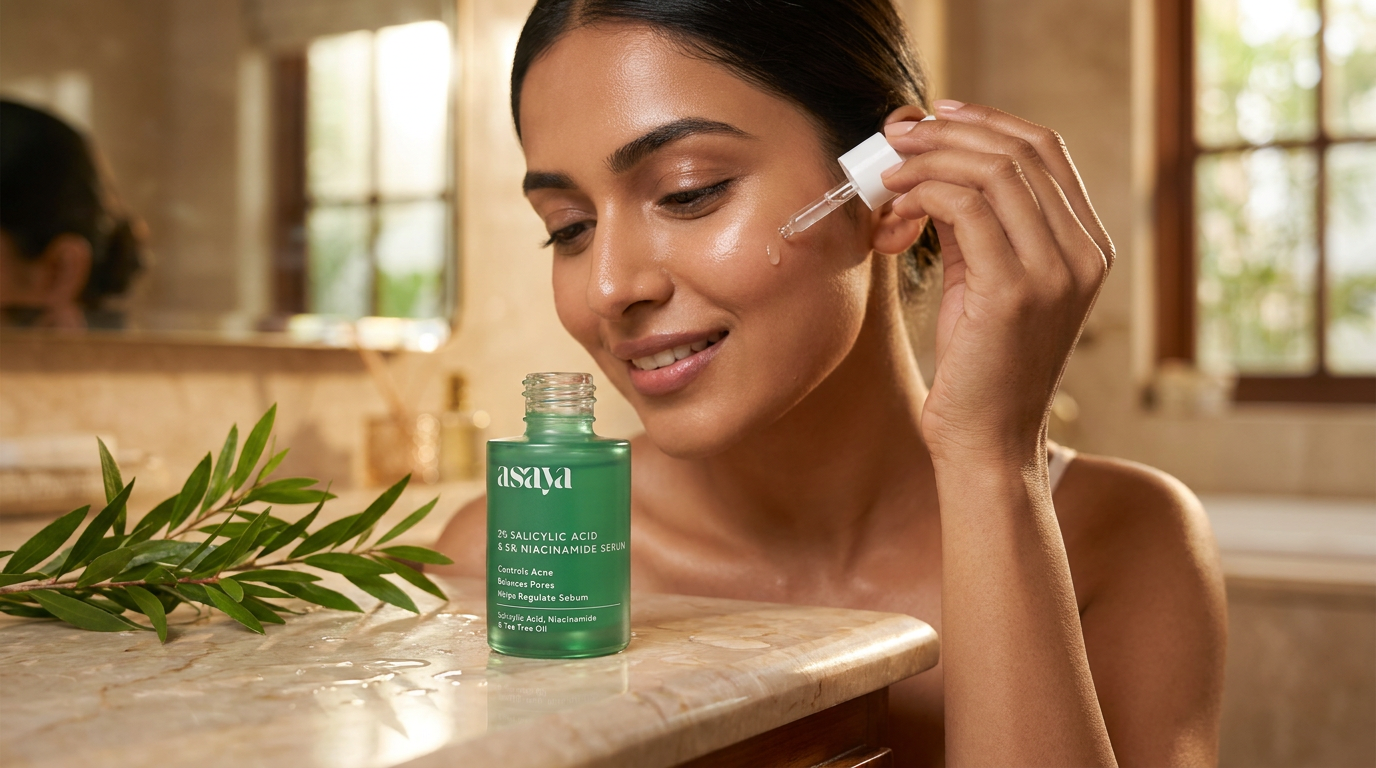
Chemical exfoliation with salicylic acid works better than physical scrubs for Indian skin. It penetrates oil-filled pores and dissolves the plugs from inside, without the friction that can trigger dark spots.
Niacinamide helps control oil production while strengthening your skin barrier. Retinoids increase cell turnover, preventing dead skin from accumulating in pores. Both work well for Indian skin when introduced gradually.
Most people notice fewer new clogs within 2-3 weeks of starting a proper routine. Existing blackheads and congestion can take 6-8 weeks to clear completely. Consistency matters more than intensity with skincare for clogged pores Indian skin.
Not always. Products formulated for lighter skin tones might be too harsh or not address the specific concerns of melanin-rich skin. Look for products that mention suitability for Indian skin or darker skin tones specifically.
Pore strips can temporarily stretch your pores and remove protective sebaceous filaments, making pores appear larger. They also don't address the root cause of clogged pores, so the problem returns quickly.
Asaya's formulations target the underlying causes of pore congestion while being gentle enough for daily use on Indian skin. The focus on preventing post-acne pigmentation makes them particularly suitable for melanin-rich skin types.
Yes, monsoon season and summer heat typically worsen pore congestion due to increased humidity and oil production. Adjusting your routine seasonally helps manage these fluctuations.
Understanding why Indian skin gets clogged pores helps you choose the right treatments and set realistic expectations. Your skin's oil production and pore structure aren't flaws to fix, they're characteristics to work with intelligently. The key is consistent, gentle care that addresses congestion without triggering the inflammation that leads to dark spots.
This is where MelaMe™ Complex, Asaya's advanced skincare engineering, makes a difference. This melanin-first molecule has been designed to visibly treat discolouration and restore pigment balance in your skin within 2 weeks of regular use. While it primarily targets dark spots by breaking excess melanin deposits down into re-absorbable amino acids, it also helps prevent the post-acne pigmentation that often follows clogged pore treatments. By inhibiting excess melanin production, MelaMe™ ensures that your journey to clearer pores doesn't leave behind a trail of dark spots, bringing you even-toned, clarified skin more effectively than traditional treatments alone.
